Horse Breeds by Country: Every Country’s National Horse
Only a handful of countries have a national horse in law. Canada, Argentina and Brazil have each passed an act naming one breed; Peru, Chile, Colombia, Venezuela and Hungary protect theirs as national heritage; Turkmenistan and Lesotho put theirs on the coat of arms. Everywhere else, the “national horse” is a matter of custom and pride. This list says which is which.
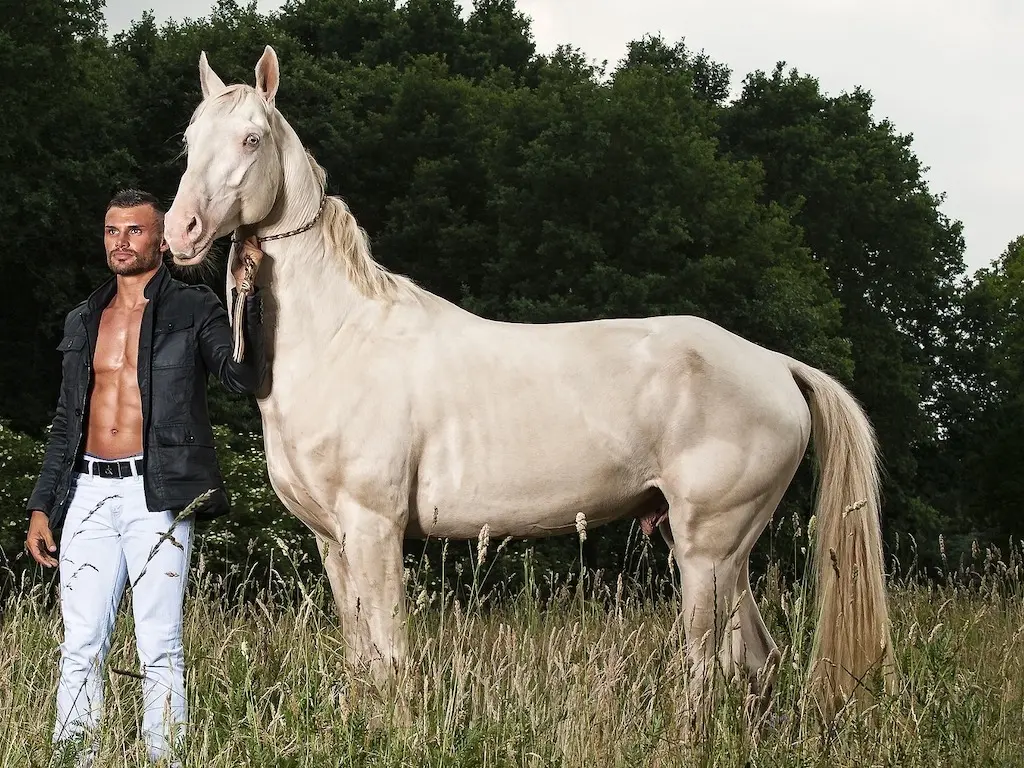
Our encyclopedia files 977 breeds under the countries they come from, and you can browse them all on the breed map or by country. Each country name below links to its page.
National by law
These are the countries where a parliament or government has formally named a breed. They are rarer than you would think.
| Country | Breed | What the law says |
|---|---|---|
| Canada | Canadian Horse | The National Horse of Canada Act (2002) declares it “the national horse of Canada”. |
| Argentina | Criollo | Law 27.414 (2017) declares the Criollo the national horse and part of Argentina’s cultural heritage. |
| Brazil | Mangalarga Marchador | Law 12.975 (2014) declares it a national breed. |
| Peru | Peruvian Paso | A 1992 decree-law declares it native to Peru; since 2000 it has also been Cultural Heritage of the Nation. |
| Chile | Chilean horse (Corralero) | Declared a natural monument by decree in 2011. |
| Colombia | Colombian Paso Fino | Law 1842 (2017) declares it national genetic heritage. |
| Venezuela | Venezuelan Criollo (Llanero) | Declared genetic heritage of the republic by presidential decree. |
| Puerto Rico | Puerto Rican Paso Fino | Recognized in law as part of Puerto Rico’s cultural heritage (1988, and again in 2023). |
| Hungary | Nonius, Gidran, Kisbér Halfbred, Shagya Arabian, Furioso-North Star and others | A 2004 resolution of parliament declares Hungary’s protected native breeds, eight horse breeds among them, national treasures. |
Canada has the tidiest version. The Canadian Horse (14–16 hands) descends from horses shipped from France to New France in the 17th century, and the cheval canadien then spent three hundred years doing every job in Quebec through every winter. You can read the act in under a minute.

South America treats its horses as seriously as its soccer. The Criollo, the Chilean horse and the Venezuelan Llanero are all descendants of the Spanish horses that arrived in the 1500s, shaped afterwards by the pampas, the mountains and the flooded plains. The gaited breeds, Peru’s Paso, Colombia’s and Puerto Rico’s Paso Fino and Brazil’s Mangalarga Marchador, are the same Iberian stock selected for a smooth ride over long distances.
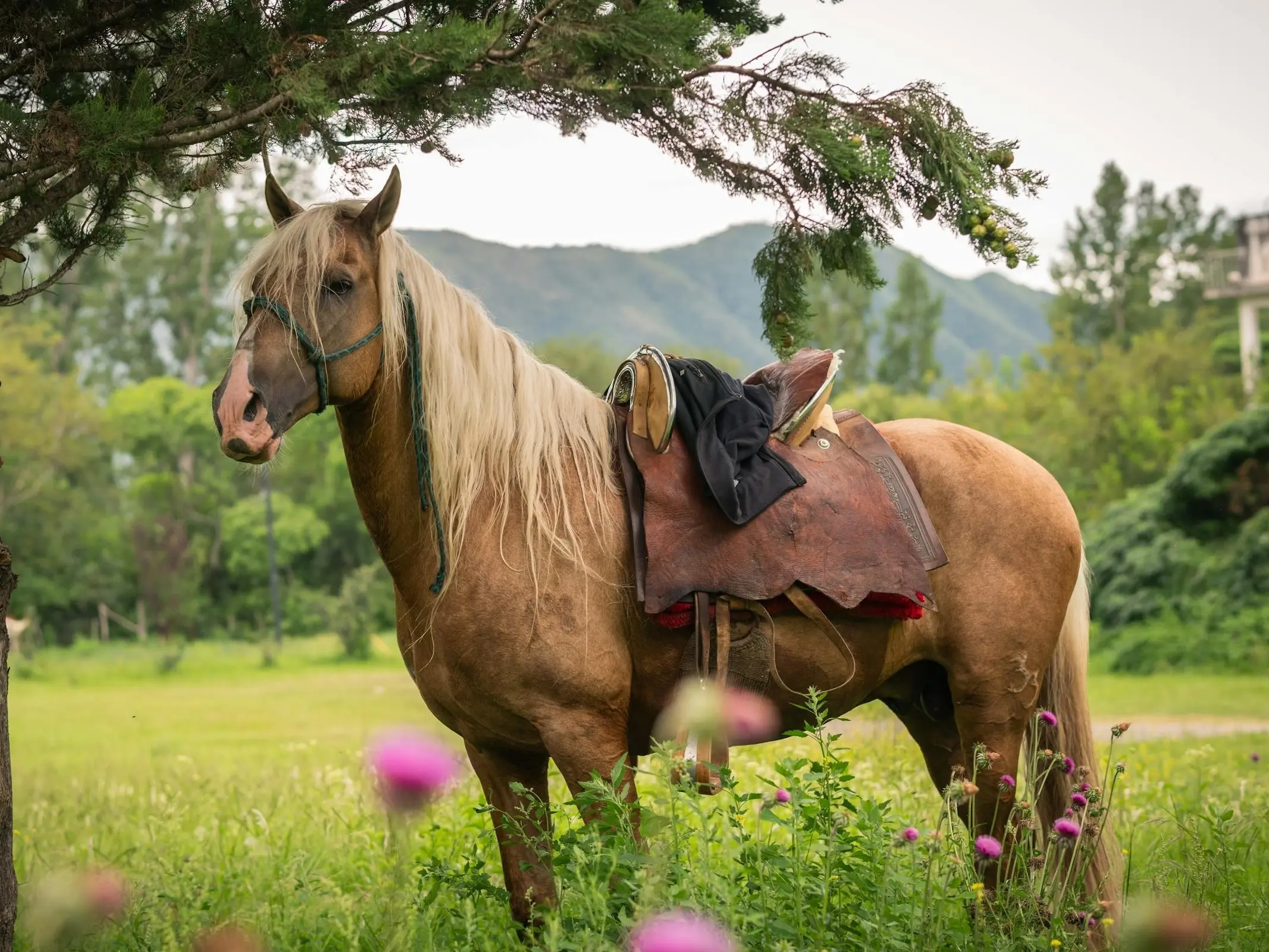
Criollo, Argentina
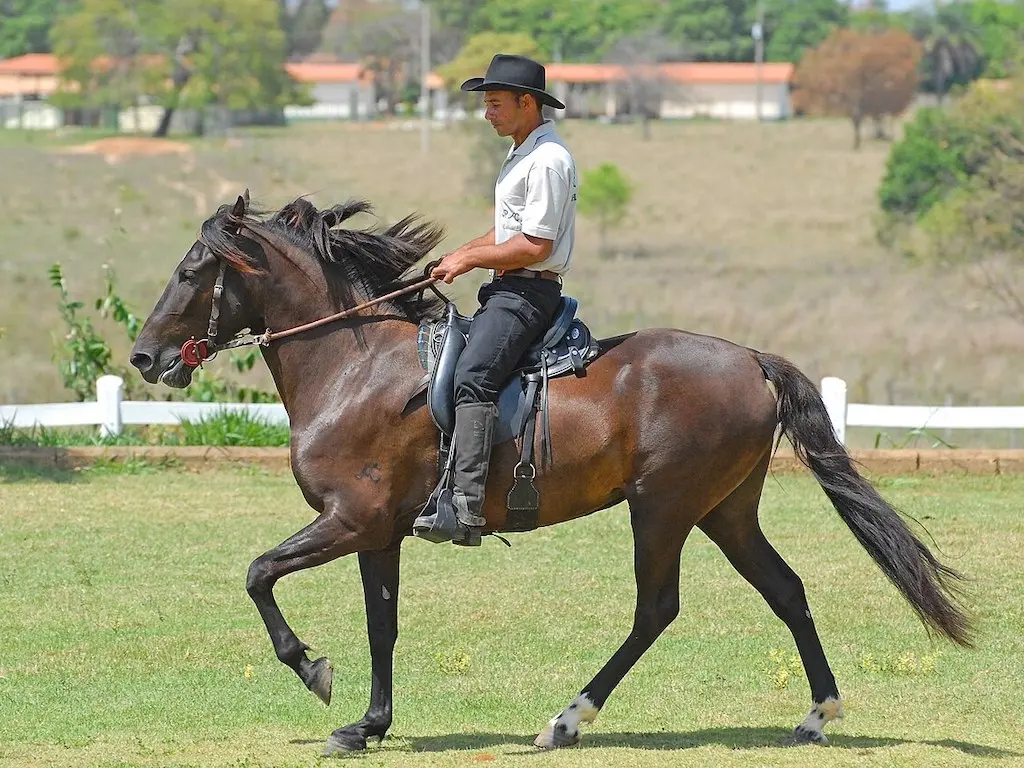
Mangalarga Marchador, Brazil

Peruvian Paso, Peru
National by emblem, monument or heritage list
No “national horse act” here, but the state has made its feelings plain in other ways.
| Country | Breed | Status |
|---|---|---|
| Turkmenistan | Akhal-Teke | On the state emblem; a national holiday, Turkmen Horse Day, on the last Sunday of April; its breeding traditions joined UNESCO’s intangible heritage list in 2023. |
| Lesotho | Basotho pony | Two Basotho horses hold up the shield on the coat of arms. |
| Czech Republic | Kladruber | The stud’s herd is a national cultural monument, and the landscape of the Kladruby stud became a UNESCO World Heritage Site in 2019. |
| Slovenia, Austria and six neighbors | Lipizzan | Lipizzan breeding traditions were inscribed by UNESCO in 2022 for eight countries together. Slovenia also puts two Lipizzans on its 20-cent coin. |
| South Korea | Jeju (Cheju) pony | Protected by the Korean government as a natural monument since the 1980s. |
| Japan | Misaki | The wild herd at Cape Toi and its range are a national natural monument (1953). |
| Belgium | Belgian Draft (Brabant) | The culture around the draft horse has been on Flanders’ intangible heritage inventory since 2018. |
| India (Manipur) | Manipuri pony | The state of Manipur adopted a conservation policy for its polo pony in 2016. |
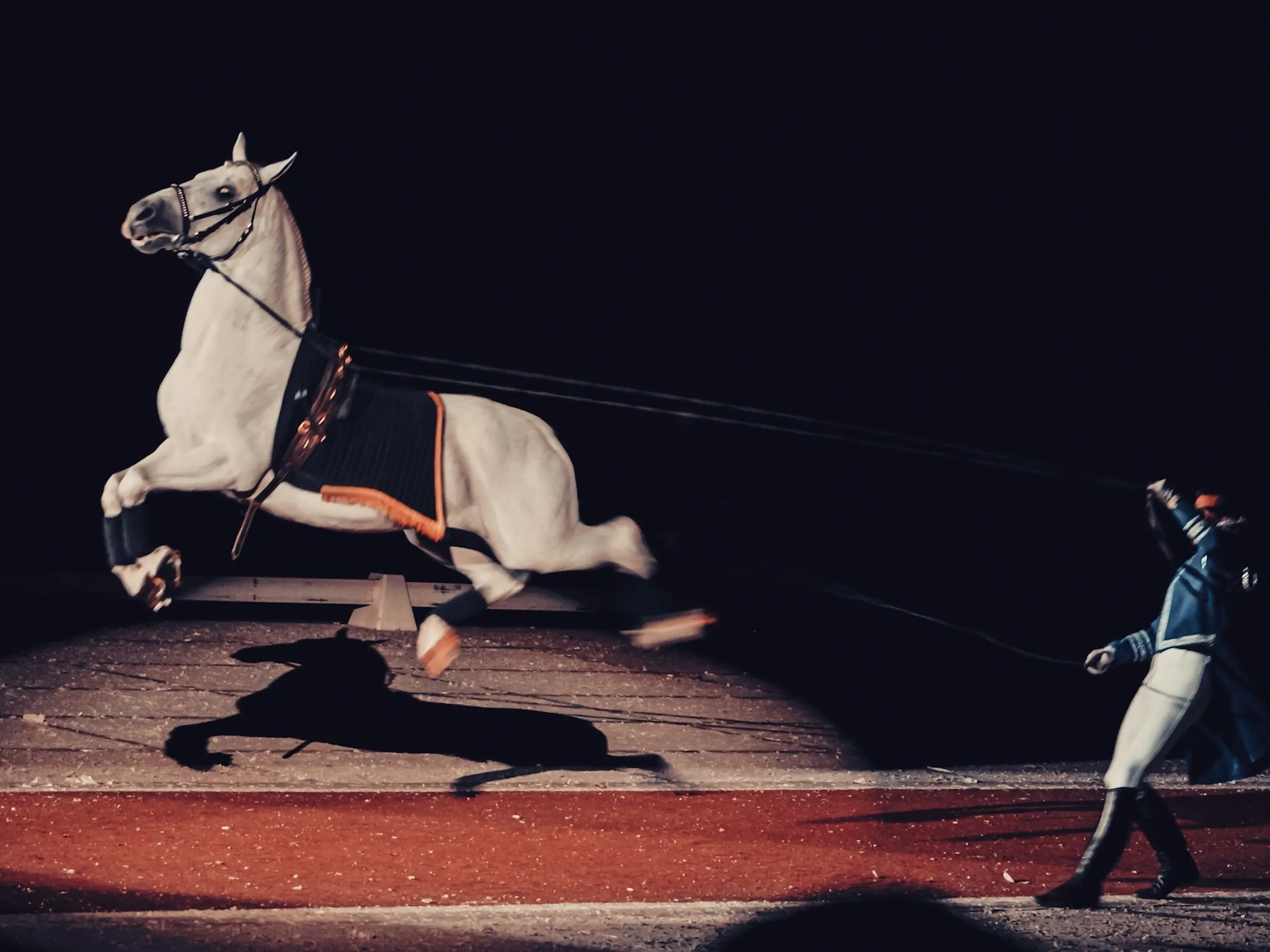
Lipizzan

Kladruber, Czech Republic
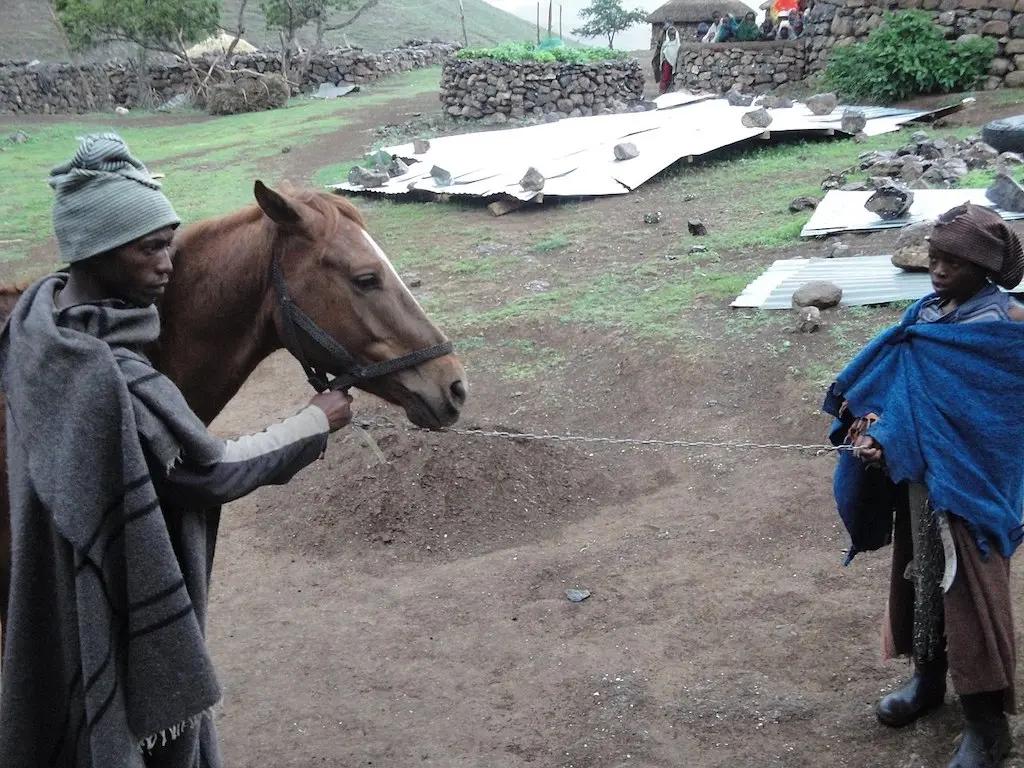
Basotho pony, Lesotho
The Lipizzan is the most international national horse there is. It was bred for the Habsburg court at Lipica, in what is now Slovenia; made famous in Vienna; and raised at studs in Hungary, Croatia, Slovakia, Romania, Italy and Bosnia and Herzegovina. Eight countries shared the UNESCO nomination, which is one way to settle an argument.
National by custom
Most “national horses” are this kind: nobody passed a law, and nobody needed to.
| Country | Breed | Why |
|---|---|---|
| Iceland | Icelandic horse | It is the only breed in the country, and the only one Iceland allows: horses may not be imported, and one that leaves can never come back. |
| Finland | Finnhorse | Named the national horse at the studbook’s centenary celebrations in 2007, and it has its own day, 6 September. A ceremony rather than a statute. |
| Norway | Fjord horse | Regarded as the national horse. Officially it is one of Norway’s “national breeds” for conservation, with the Dole and the Nordland/Lyngen horse. |
| Denmark | Frederiksborg | Bred at the old royal stud and called the national horse; the Jutland is the national draft horse. |
| Ireland | Irish Draught | Usually given the title, with the Connemara as national pony. Neither has it in law. |
| Mexico | Azteca | The first breed developed in Mexico, given its official registry by the agriculture ministry in 1982 and widely called the National Horse of Mexico. |
| Costa Rica | Costa Rican Saddle Horse | Called the national breed by its breeders; a bill to make it an official national symbol was still before the legislature at the time of writing. |
| Azerbaijan | Karabakh | Often described as Azerbaijan’s national animal. We could not find a law that says so. |
| Switzerland | Franches-Montagnes | The only horse breed of Swiss origin still in existence, and supported through the national stud. |
| Scotland | Clydesdale | The “pride of Scotland”, by acclamation. |
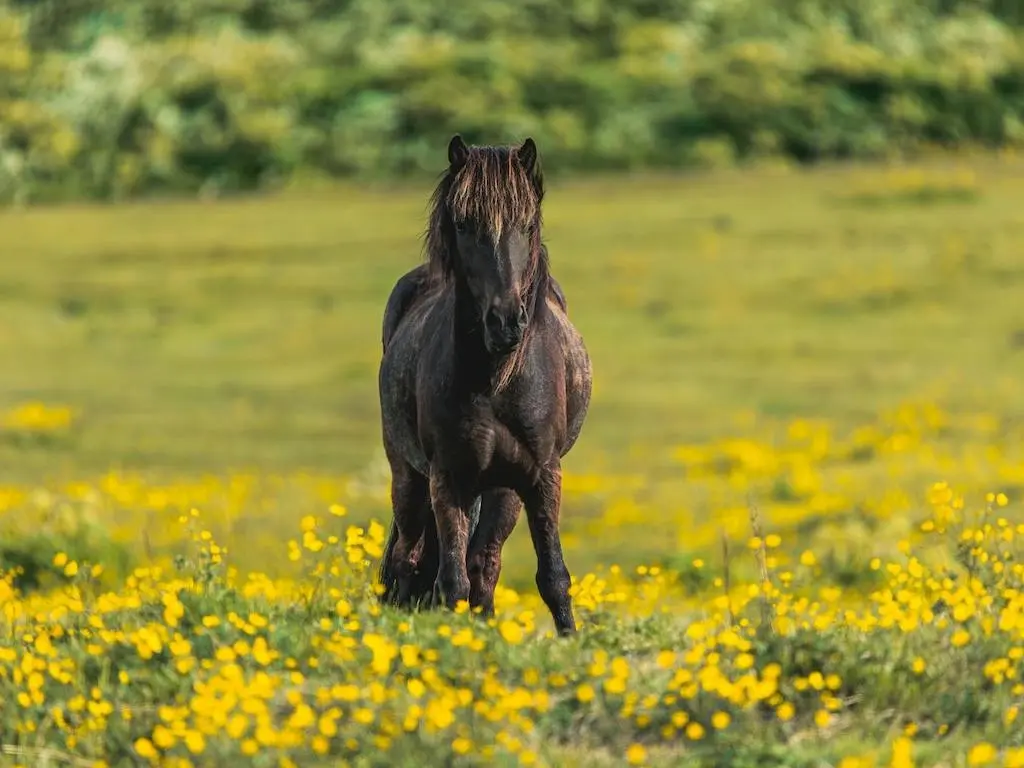
Iceland is the purest case. Our database has exactly 1 breed for the country, because there is exactly one. Horses came with the Norse settlers in the ninth and tenth centuries and imports have been forbidden for most of the time since, so the Icelandic (13–14 hands) has had the island to itself for about a thousand years.
Turkmenistan takes the opposite route and makes it as official as possible. The Akhal-Teke appears in the center of the state emblem, and its breeding is treated as a national art form.
The countries with too many to choose
Some of the greatest horse nations have no national horse at all, because picking one would start a fight.
- The United States has no national horse, but many states have a state horse. The Morgan is the choice of Vermont and Massachusetts; the Thoroughbred of Kentucky and Maryland; the Quarter Horse of Texas, Oklahoma and Mississippi. Tennessee has the Tennessee Walking Horse, Missouri the Fox Trotter, Idaho the Appaloosa, Alabama the Racking Horse, Florida the Cracker Horse, North Dakota the Nokota, South Carolina the Marsh Tacky, and Virginia a state pony, the Chincoteague.
- England, France and Germany each have dozens of native breeds (40, 56 and 50 in our database) and have sensibly never tried to rank them.
- Spain and Portugal are known everywhere for the Andalusian and the Lusitano, India for the Marwari, Mongolia for the Mongolian horse, and Morocco for the Barb. We found no law naming any of them a national horse, so we have left them out of the tables. Nobody who has been to Jerez or Ulaanbaatar is in any doubt, all the same.
How we checked
For “national by law” we looked for the act or decree itself, on government legislation sites where we could, and for heritage listings we used UNESCO’s own lists. Where all we could find was a breed society or a magazine calling a horse “the national breed”, it went in the custom table or stayed out. If your country has made it official and we have missed it, the law’s name and number is all we need.
Keep exploring: spin the globe on the breed map, meet a random one with the breed of the day, or see which national horses are also among the rarest in the world.