The 10 Rarest Horse Breeds in the World (Some Have Fewer Than 100 Left)
The rarest horse breeds alive today are counted in dozens, not thousands. The Faroe pony stands at 83 animals, the Kundido horses of Ethiopia at about 30, and two of Japan’s island breeds at around 50 each. Below are ten breeds with a documented head count, starting with the smallest numbers.
A word on method first, because “rarest” lists are usually built on vibes. Nobody keeps a single world league table of horse breeds. What exists is a patchwork: the FAO’s DAD-IS database, national lists such as the Rare Breeds Survival Trust Watchlist in Britain and the Livestock Conservancy’s Conservation Priority List in the United States, and counts published by breed societies and researchers. They measure different things (all animals, breeding mares, yearly registrations), so the figures below say what was counted and when. We started from the breeds our own database tags as critical and kept the ones where somebody has actually counted.
1. Kundido (Ethiopia): about 30
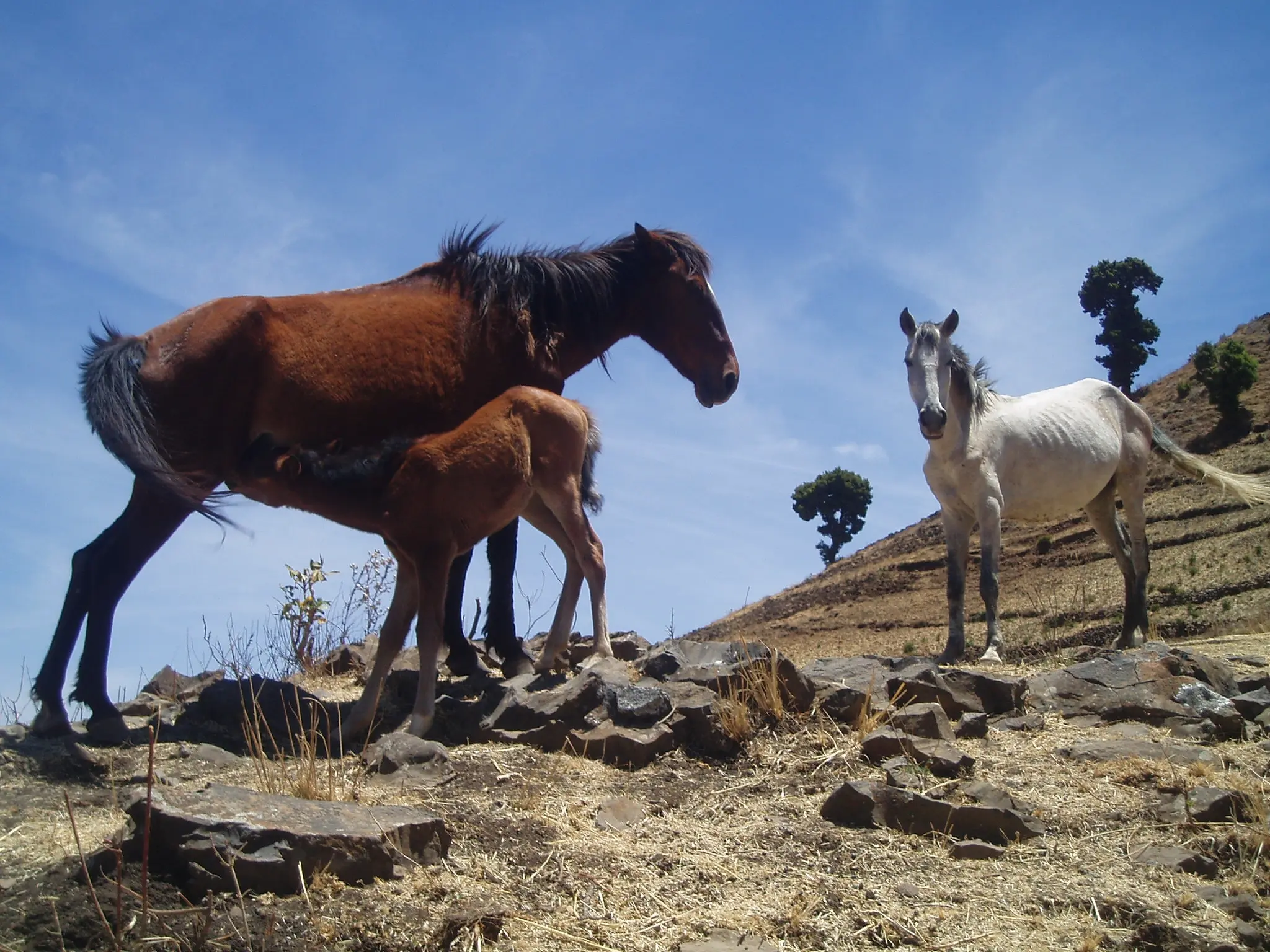
The feral horses of Mount Kundudo in eastern Ethiopia may be the smallest horse population on earth with a name. A count published in 2012 found 18, which is the figure on our breed page. A 2013 survey by the Ethiopian Biodiversity Institute found 11. The most recent published figure, a 2022 report in the Global Journal of Zoology, counted 30 on the mountaintop under the protection of guards. Thirty is better than eleven, and it is still one bad season away from none.
2. Taishu (Japan): 41 on its home island
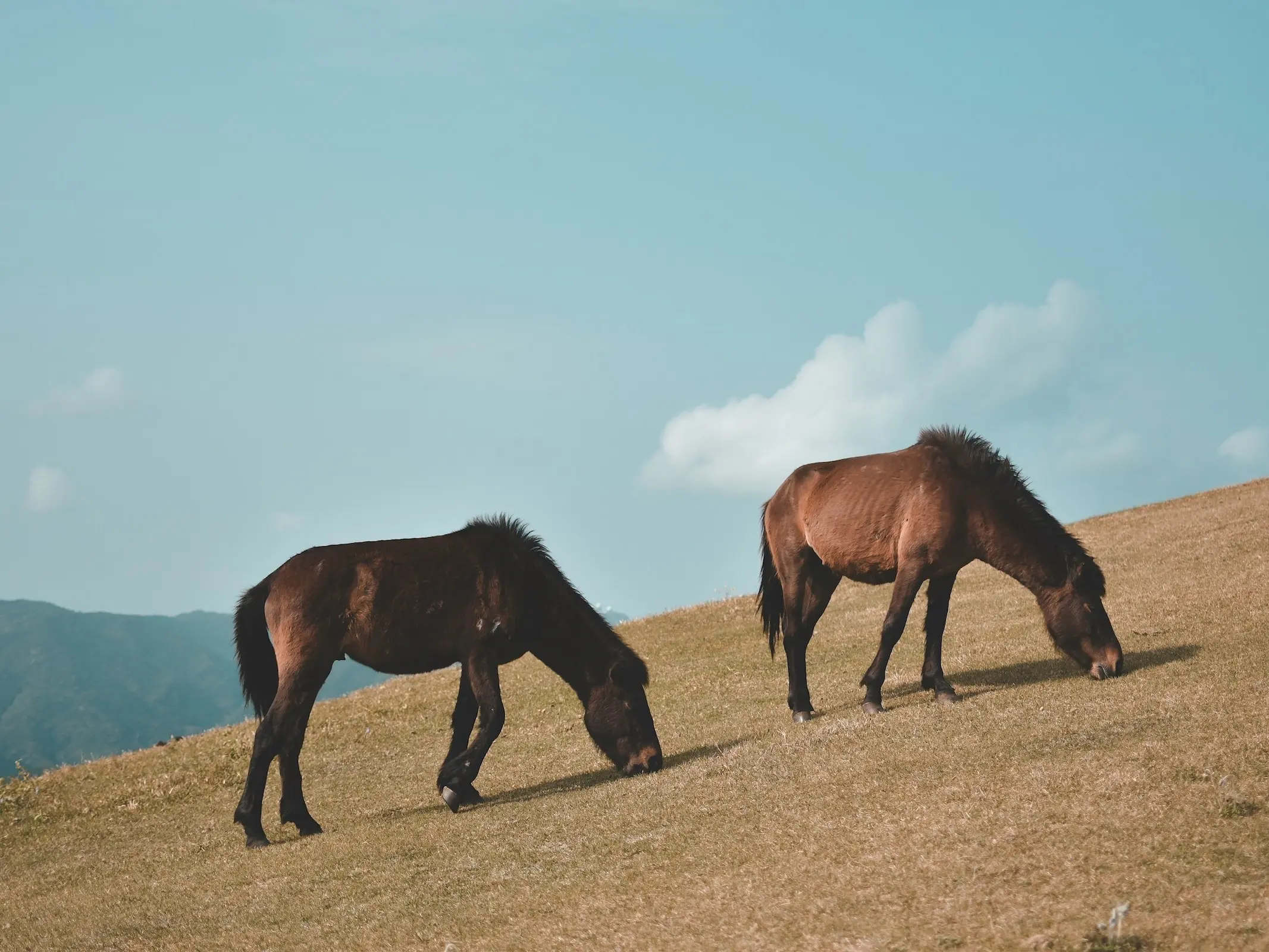
Japan recognizes eight native breeds and all of them are scarce. The Taishu comes from Tsushima, the island between Japan and Korea, where it was the transport on the island’s steep, winding roads. Then came engines. A 2019 paper in the Journal of Equine Science recorded just 41 horses left on Tsushima in 2018, plus a few kept elsewhere in Japan. Stands 12.2–14.2 hands.
3. Miyako (Japan): 55
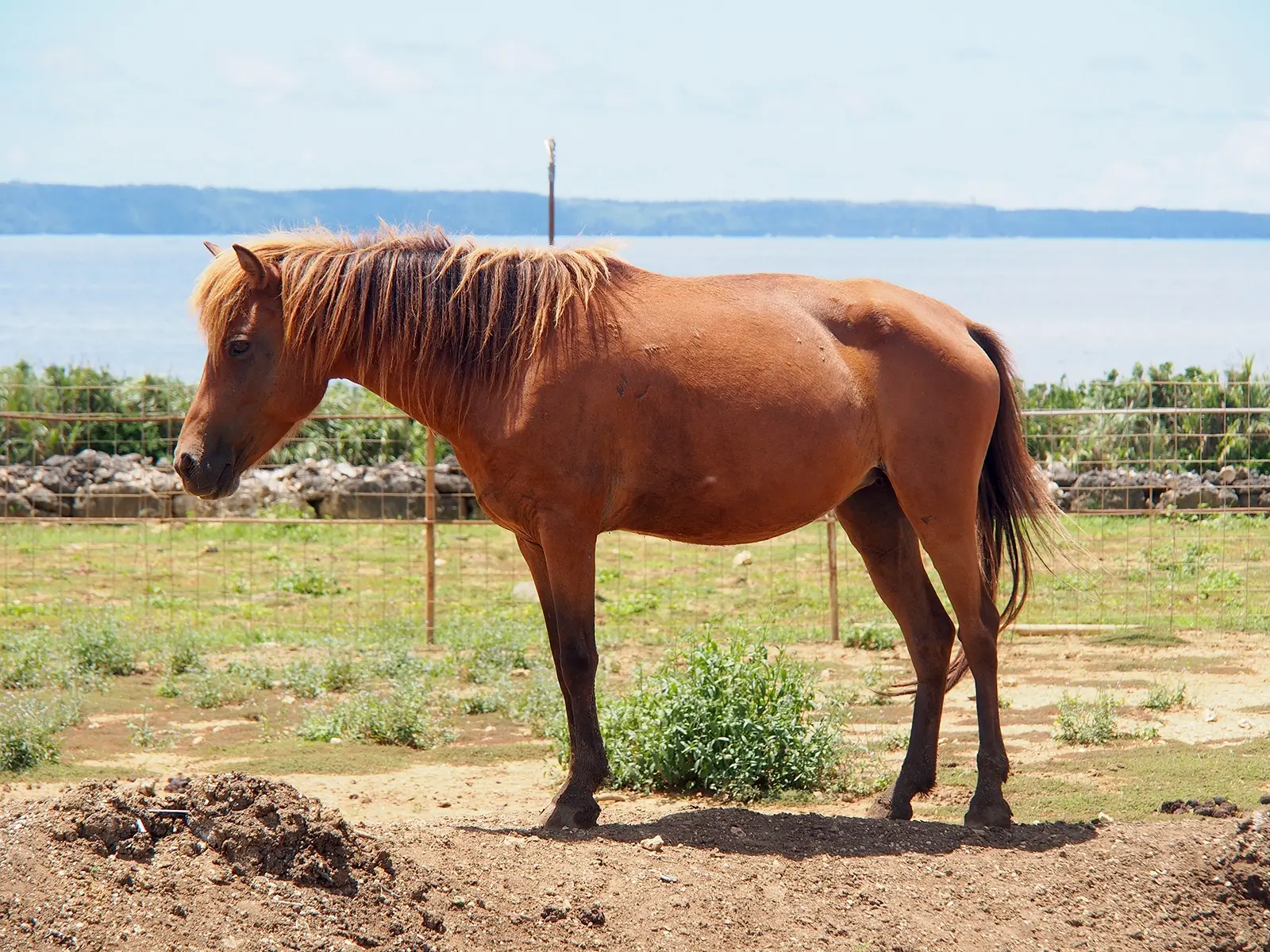
On Miyako island in Okinawa the story has a slightly happier slope. A 2023 study in the same journal reports that the breed fell to 14 animals in 1980 and had climbed back to 55 by 2021. The authors’ conclusion was not “saved” but “needs to keep growing”.
4. Faroe pony (Faroe Islands): 83
Every Faroese horse alive lives on the Faroe Islands, which is the problem: they have not been allowed to leave, so the whole breed sits in one place, one outbreak or one hard decade from disaster. NordGen, the Nordic gene bank, counted 94 in 2021 and 83 in June 2025. That month a Faroese foal was born in Denmark for the first time in over a century, carried by an Icelandic surrogate mare after an embryo transfer. The idea is a second herd abroad. Our database lists the breed as At Risk, Critical, at 11–12.1 hands.
5. Lac La Croix Indian pony (Canada): about 150 to 200
Also called the Ojibwe horse. By 1977 exactly four mares were left, at Lac La Croix First Nation in Ontario, and officials planned to destroy them. Five men loaded them on a trailer and drove them over the frozen lake to Minnesota. With no stallion of their own, the mares were bred to a Spanish Mustang, and every Ojibwe horse today descends from those four. The Canadian Encyclopedia put the population at about 150 in 2019; more recent reports say around 180.
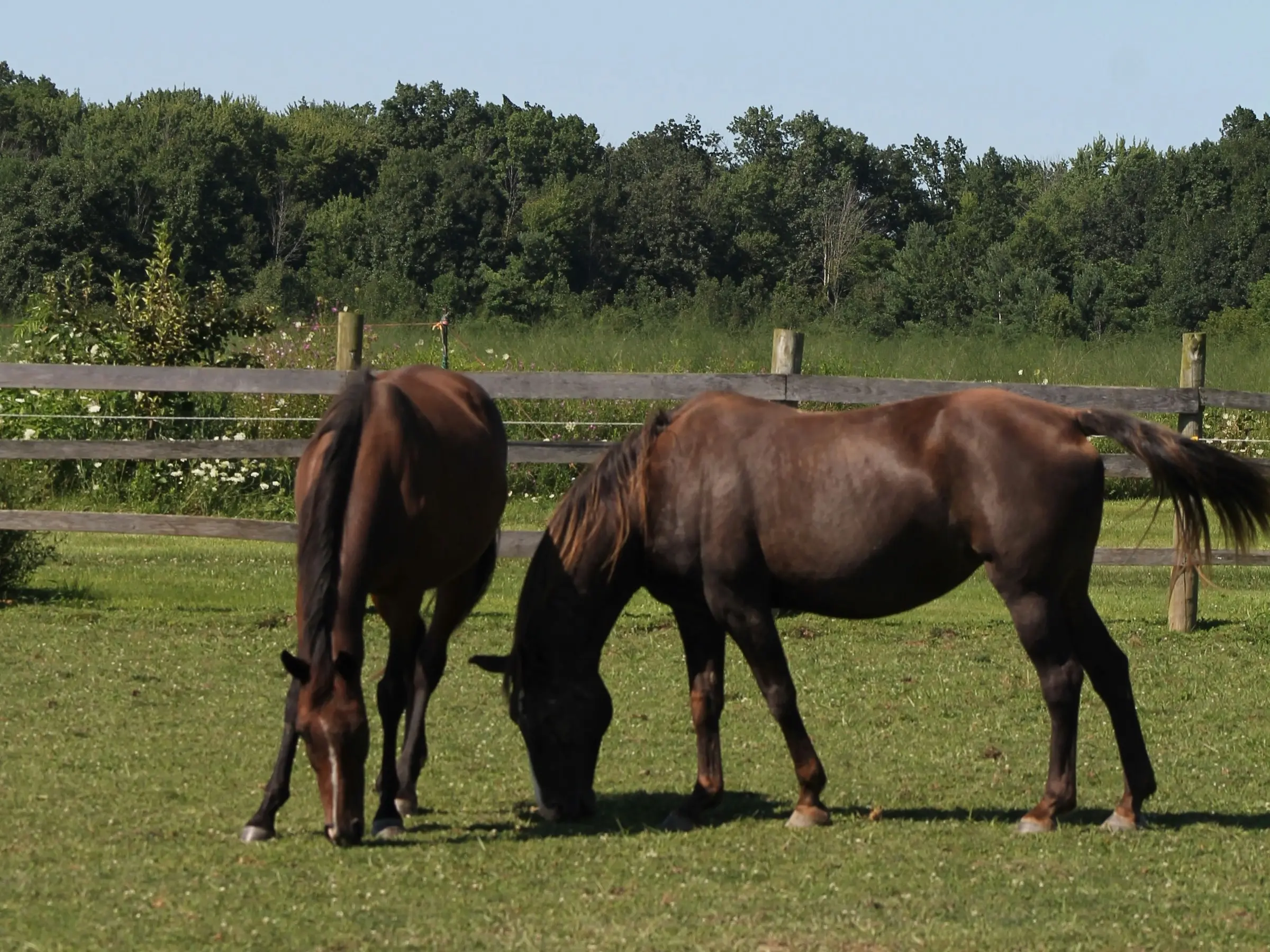
6. Sorraia (Portugal): 200 to 300
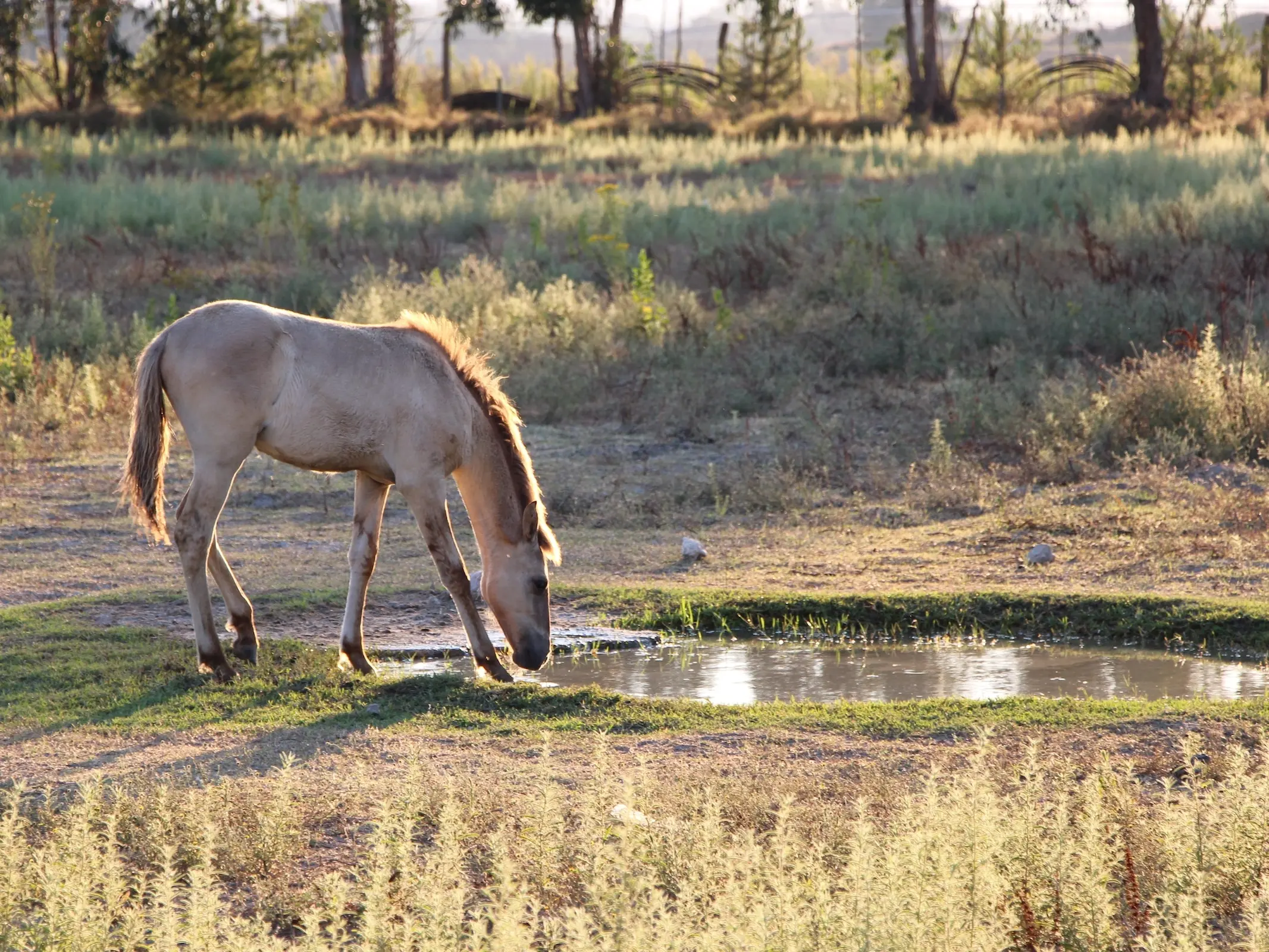
The dun Sorraia, striped legs and all, is the primitive-looking little horse of the Sorraia river plains, and there have never been many of them. Rewilding Portugal gives about 200 worldwide and researchers at the University of Lisbon about 300. Our database has it as At Risk, Critical Maintained, the “maintained” meaning there is an active breeding program.
7. Skyros pony (Greece): a few hundred
One of the smallest horses anywhere at 9.2–10.3 hands, and built like a horse rather than a pony. The DAD-IS figure on our breed page is 397 in 2021; Greek estimates of the purebred herd run lower, around 200 to 260, most of them on the island of Skyros itself.

8. Eriskay pony (Scotland): about 300
The last of the old Hebridean ponies, kept pure on Eriskay mostly because it was too awkward to ship a bigger stallion over. Around 20 were left in the early 1970s. There are roughly 300 in the world now, and the Rare Breeds Survival Trust keeps the Eriskay in its Priority category, the most urgent one.

9. Cleveland Bay (England): under 900
Britain’s oldest horse breed by its own history, always bay, and long tied to the royal stables, which is probably why purebreds survive at all. The Equus Survival Trust estimate on our breed page is a global population below 900. The number that worries geneticists is a different one: the RBST reports an effective population size below 50, meaning the breed is far more inbred than a head count suggests. It is on the RBST Priority list and the Livestock Conservancy’s Critical list at once.
10. Suffolk Punch (England): under 1,000
Always chesnut (the breed society spells it without the first t), always built like a barrel on four posts, and at 16.1–17.1 hands one of the biggest horse breeds. It plowed East Anglia until tractors arrived and then nearly vanished. The Equus Survival Trust estimate is fewer than 1,000 worldwide. RBST: Priority. Livestock Conservancy: Critical.

Just behind them
These are not much safer, they are only better counted.
| Breed | Where | Latest figures |
|---|---|---|
| Newfoundland pony | Canada | 500 to 600, of which about 250 can breed (Newfoundland Pony Society) |
| American Cream Draft | USA | 410 in 2017 (DAD-IS); under 450 (Equus Survival Trust); Critical on the Livestock Conservancy list |
| Caspian | Iran | 500 to 1,500 in 2023 (DAD-IS) |
| Hackney | England | RBST Priority, with numbers still falling in the latest Watchlist |
| Dales pony | England | RBST Priority |
What losing one looks like
The Abaco Barb of the Bahamas ran wild on Great Abaco for centuries. No foal was born after 1999, and the last mare, Nunki, died in July 2015. Tissue was taken and frozen in the hope of cloning her, but a clone of one mare is one mare. That is where a breed ends up when help arrives after the numbers reach single figures.
Every breed on this page was saved at least once by a handful of stubborn people: five men with a trailer, a few crofters, one family farm. Rare breeds are mostly kept alive by somebody deciding to breed one more foal.
Want to help?
The practical answer is dull and it works: buy, breed, ride and drive them. A rare breed with a job has owners, and owners register foals. If you are in a position to choose a horse, the societies behind these breeds will happily talk your ear off. If you are not, you can still get to know them: there are 977 breeds in our encyclopedia, you can see where each one comes from on the breed map, and the breed of the day will introduce you to one you have never heard of.
More reading: Rare Horses on The Equinest, the smallest horse breeds and the ancient breeds, several of which are on this list too.