Gentle Giants: The Biggest Horse Breeds on Earth
The biggest horse breed on earth is the Shire: Guinness World Records lists it as the largest breed, and a Shire called Sampson, measured in 1850 at 7 feet 2½ inches to the withers, is still the tallest horse ever recorded. The Clydesdale, Belgian, Percheron and Suffolk Punch are right behind it. All of them weigh about as much as a small car and most would rather have a scratch than an argument.

The biggest breeds, by height
These are the heights on each breed’s page in our encyclopedia. A hand is four inches, measured at the withers, so 17 hands is 5 feet 8 inches at the shoulder, with the head a good way above that.
| Breed | From | Height |
|---|---|---|
| Clydesdale | Scotland | 17–18 hands |
| Belgian Draft | Belgium | 15.3–17.3 hands |
| Suffolk Punch | England | 16.1–17.1 hands |
| Shire | England | 17 hands and up |
| Poitevin | France | 16–17 hands |
| Irish Draught | Ireland | 16–17 hands |
| Boulonnais | France | 15.1–16.3 hands |
| American Cream Draft | USA | 15–16.3 hands |
| Drum Horse | England | 16.2 hands and over |
| Percheron | France | 14.3–16.1 hands |
| Dutch Draft | Netherlands | 16 hands |
Height is only half of “big”. A 17-hand Thoroughbred and a 17-hand Shire are the same height in the way a greyhound and a mastiff can be. What makes a draft horse is width, bone and weight: the American registries put Belgians at 1,800 to 2,400 pounds, and say Percherons average about 1,900 and can reach 2,600.
Shire
The Shire descends from the “Great Horse” of medieval England, by way of Flemish and Friesian imports, and took its modern shape hauling heavy wagons over bad roads. The Shire Horse Society’s standard sets a minimum for a grown stallion of 17 hands, which tells you where the breed starts. Usually black, bay or grey, with long silky feather on the legs (see our gallery of hairy horses for more of that).
Shires moved Britain’s freight and beer for two centuries and nearly vanished when trucks took the job. They are still rare: at risk in Britain and critical on the American lists.
Clydesdale
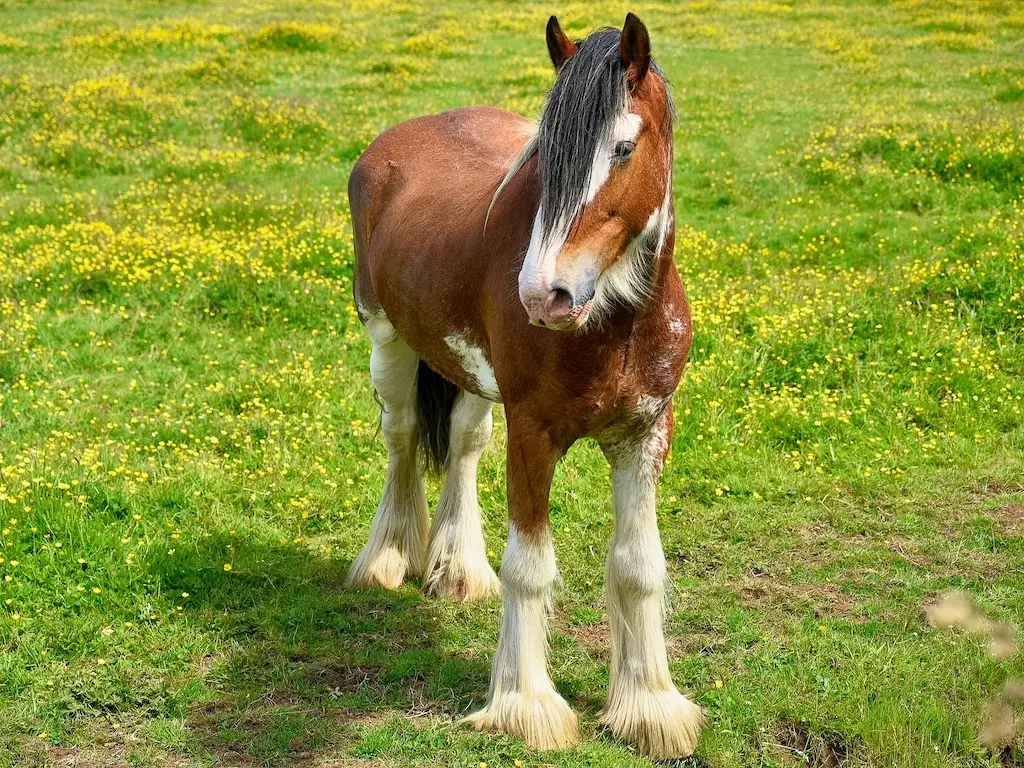
Scotland’s heavy horse, from the valley of the Clyde in Lanarkshire, and at 17–18 hands the tallest of the famous heavy breeds in our database. Clydesdales are a little lighter and more upstanding than Shires, with a high, showy action and a lot of white: the classic picture is a bay with a broad blaze and four white stockings.
That picture is also the job description for the best-known team in the world. To pull the Budweiser wagon a Clydesdale must be a gelding at least four years old and 18 hands (six feet) at the shoulder, weigh between 1,800 and 2,300 pounds, and be bay with four white stockings, a white blaze and a black mane and tail. Most of the breed would fail the interview on color alone.
Belgian Draft

Also called the Brabant in its heavier European form. Belgium’s great export is the widest of the giants, short-backed and enormously muscled, and one of the strongest breeds going. American Belgians are mostly chestnut or sorrel with a flaxen mane and tail; they are now the most numerous draft horse in the United States, with more than 25,000, enough that the Livestock Conservancy took the breed off its priority list in 2026. Good news is rare on that list.
Percheron

From Le Perche in Normandy, grey or black, and the most elegant of the heavy breeds, a look usually credited to old Arabian crosses. Percherons pulled French stagecoaches and Paris omnibuses before they pulled plows, and they still move like carriage horses. Our breed page gives 14.3–16.1 hands as the average; the breed has a wide range, and the big American show hitches are picked from the top of it.
Suffolk Punch

The one giant built purely for farm work. The Suffolk is always chestnut, clean-legged (no feather to clog with clay) and very round: “punch” was an old word for a short, stout fellow. It is also one of the rarest horse breeds in the world.
The less famous giants
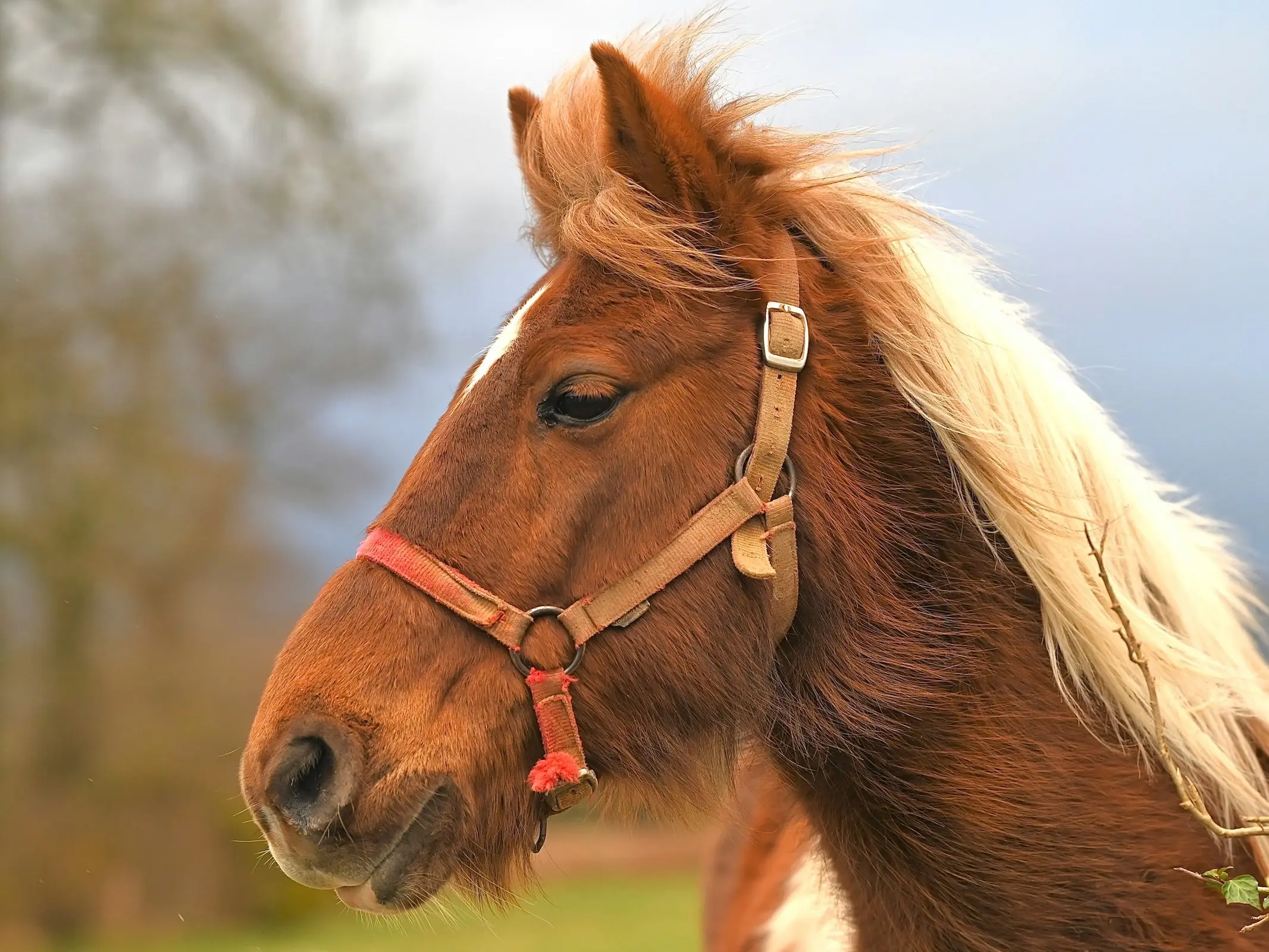
Poitevin, France
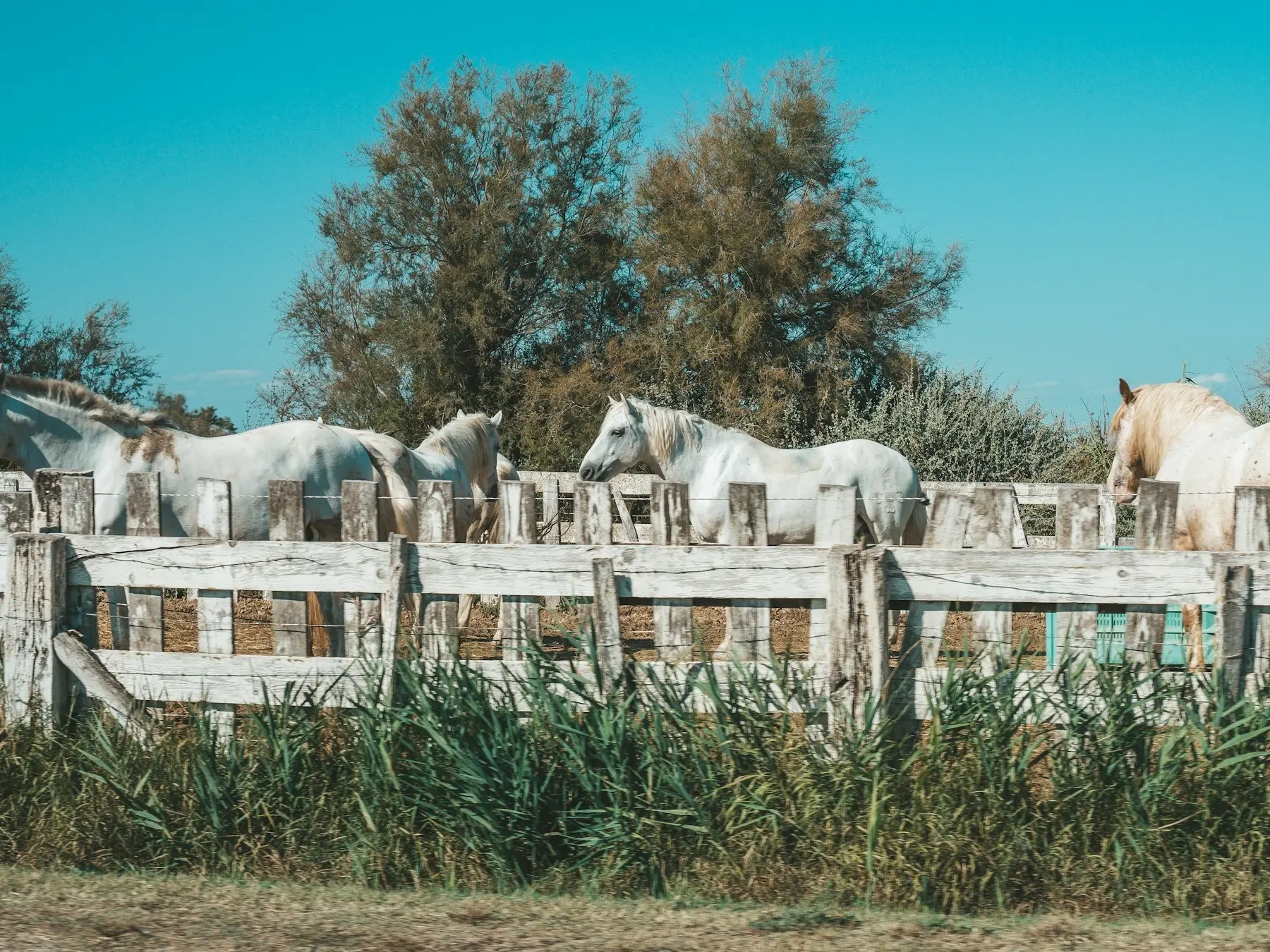
Boulonnais, France

Dutch Draft, Netherlands

Irish Draught, Ireland
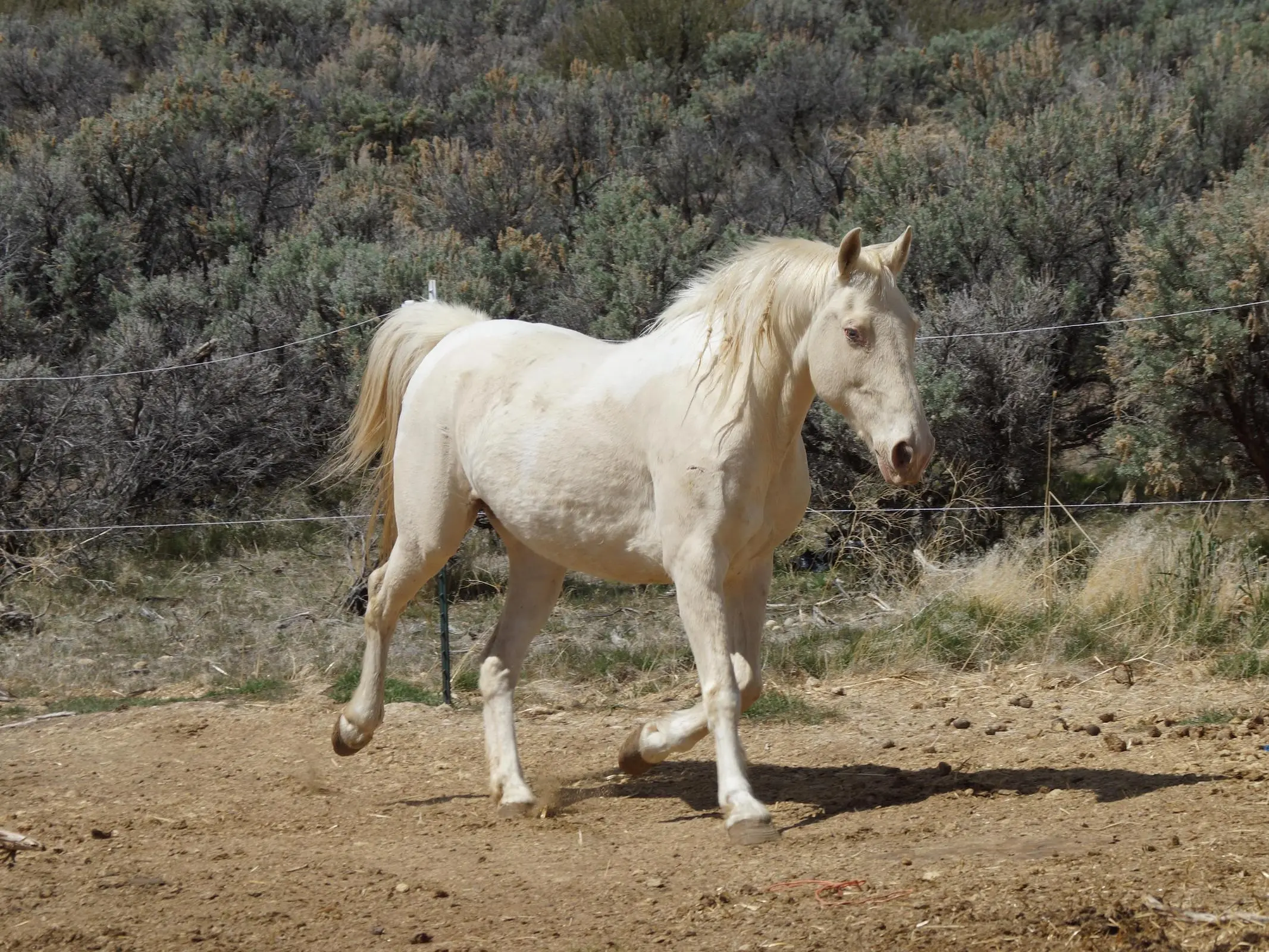
American Cream Draft, USA
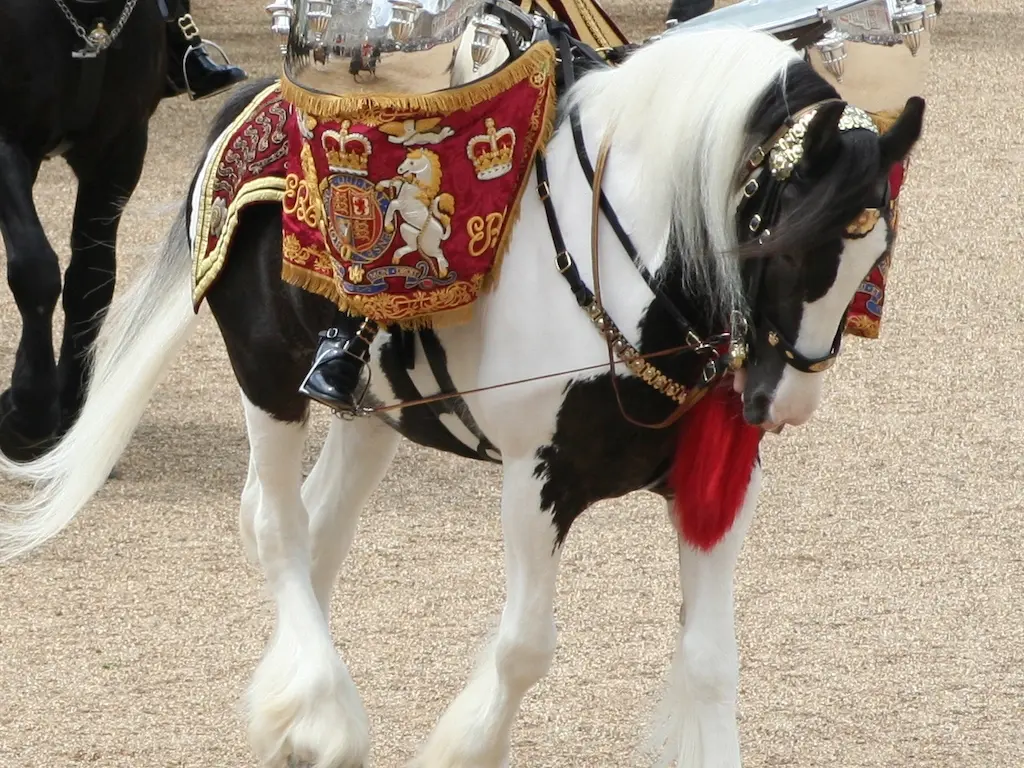
Drum Horse, England
- Poitevin: the mule-maker of western France. Poitevin mares put to giant Poitou donkeys produced what were reckoned the biggest, strongest mules in the world.
- Boulonnais: the “white marble horse” of the Channel coast, heavy and oddly refined.
- Dutch Draft: the heaviest of the Dutch breeds, a cousin of the Belgian.
- Irish Draught: the lightest horse here, more of a powerful all-rounder than a true heavy, and the foundation of the Irish sport horse.
- American Cream Draft: the only draft breed developed in the United States, cream with a white mane and amber eyes, and critically rare.
- Drum Horse: named for its job, carrying a rider and two silver kettle drums in British cavalry parades.
- Australian Draught: a blend of Clydesdale, Percheron, Shire and Suffolk bred for Australian conditions.
The record holders
Sampson, the tallest horse ever recorded, stood 2.19 m at the withers: 7 feet 2½ inches before you get to his neck.
Sampson was a Shire gelding foaled in 1846 at Toddington Mills in Bedfordshire, England. Measured in 1850, he stood 2.19 meters, a little over 21 hands, and was later renamed Mammoth, which seems fair. His weight was reported as 1,524 kg (3,359 lb). Guinness still lists him as the tallest horse ever.
Big Jake, a Belgian gelding from Smokey Hollow Farm in Wisconsin, was the tallest horse of modern times: 20 hands 2¾ inches (210.19 cm) without shoes when Guinness measured him in January 2010. He held the “tallest living horse” title until he died in 2021, aged 20.
Hugo holds it now. A Shire from Towcester in Northamptonshire, he was measured three times by a vet in December 2025 at 199 cm (19.2 hands), at four years old, and Guinness announced the record in September 2026.
Brooklyn Supreme, a Belgian stallion who died in 1948, is the name usually given for the heaviest: 19.2 hands and a reported 3,200 pounds, with a girth of over ten feet. He was exhibited around the country in his day, and the figures are from that era, so treat them as widely reported rather than certified.
What a giant is like to live with
Mostly, calm. Draft horses were bred to stand quietly in harness in city traffic and to work all day beside people on foot, and the ones that could not do that did not get bred. “Gentle giant” is a cliché because it is usually true. It is not a guarantee: a ton of horse that has learned bad manners is a serious problem, so they need the same handling and training as any other horse, just with more respect for physics.
The practical differences are all about scale. They eat more, though less than you would guess for their weight, since most are easy keepers; work it out with our feeding calculator and weight calculator. Shoes, blankets, harness and trailers all come in special sizes at special prices. Feathered legs need to be kept clean and checked, because heavy breeds are prone to skin problems under all that hair, and Shires, Clydesdales and Belgians in particular can develop a progressive swelling of the lower legs called chronic progressive lymphedema. If a draft’s legs look thickened or scabby, that is a job for your vet, not a shampoo.
And yes, you can ride them. Many drafts make steady, comfortable riding horses, which makes them a favorite of taller and heavier riders; our rider weight tool will show you why.
Now go and look at the other end of the scale: the world’s smallest horse breeds, where the record holder stood about a fifth of Sampson’s height. Or see where the heavy breeds come from on the breed map: nearly all of them were born within a few hundred miles of the English Channel.