Can Horses Eat Pumpkin, Apples or Candy Canes? A Holiday Treat Safety Guide
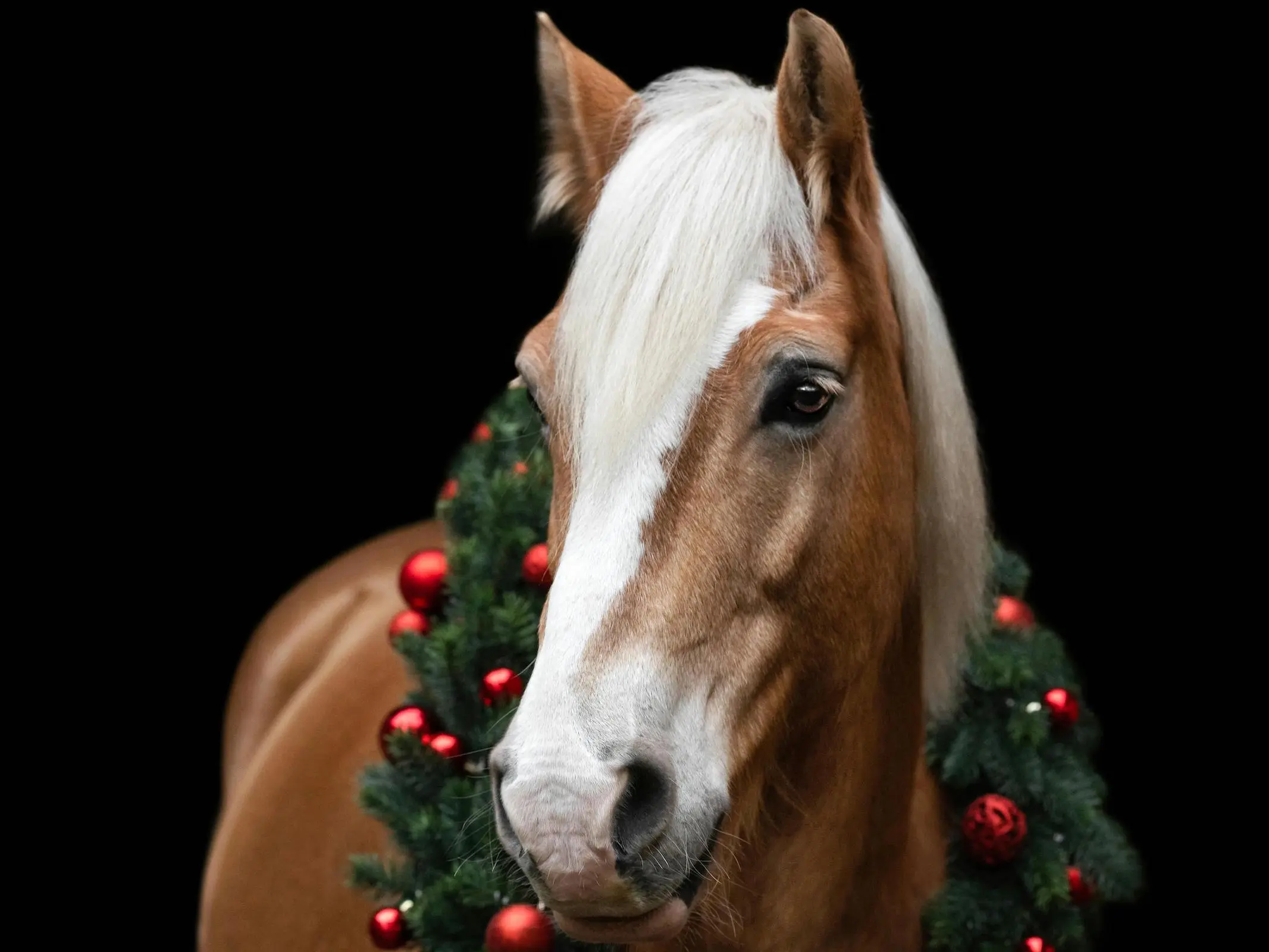
Pumpkin: yes, plain and in small amounts. Apples: yes, cored and sliced, one or two a day. Candy canes: a healthy horse can have one, but it is a stick of sugar and plenty of horses should have none. The real holiday dangers are not on that list at all. They are chocolate, the greenery in the wreath and the bucket of leftovers somebody thought the horse might like.
This guide is for healthy adult horses. If yours is prone to laminitis, is insulin resistant or has equine metabolic syndrome or PPID (Cushing’s disease), sugar in any form is a problem, and that includes fruit and carrots. Ask your vet what, if anything, is allowed.
The Quick Chart
| Food | Verdict | Notes |
|---|---|---|
| Apples | Safe | Cored and sliced. One or two a day |
| Carrots | Safe | Cut lengthways into fingers, not round coins |
| Pumpkin (plain, orange) | Safe | A slice or two, or about a cupful. Not for horses with HYPP |
| Celery, pears, bananas, watermelon | Safe | Small amounts; stone or core fruit first |
| Grapes and raisins | Safe | A small handful. Sugary |
| Fresh mint leaves | Safe | Most horses love them |
| Candy canes and peppermints | In moderation | One, unwrapped. Pure sugar |
| Sugar cubes | In moderation | One or two. Pure sugar |
| Plain bread | In moderation | A small piece now and then, never mouldy |
| Sprouts, cabbage, broccoli, cauliflower | In moderation | A floret or two at most; larger amounts cause gas |
| Christmas cake, mince pies, pudding | Never | Sugar, fat and often alcohol |
| Chocolate and cocoa | Never | Theobromine is toxic; also a positive drug test |
| Coffee, tea, cola | Never | Caffeine |
| Onions, garlic, leeks, chives | Never | Damage red blood cells in quantity |
| Avocado | Never | Fruit, skin, stone and leaves |
| Potato and tomato plants, green potatoes | Never | Nightshade family |
| Lawn clippings | Never | Ferment fast; colic and laminitis risk |
| Anything mouldy | Never | Including bread, hay and old pumpkins |
| Yew, holly, ivy, mistletoe | Never | See the greenery section below |
Pumpkin
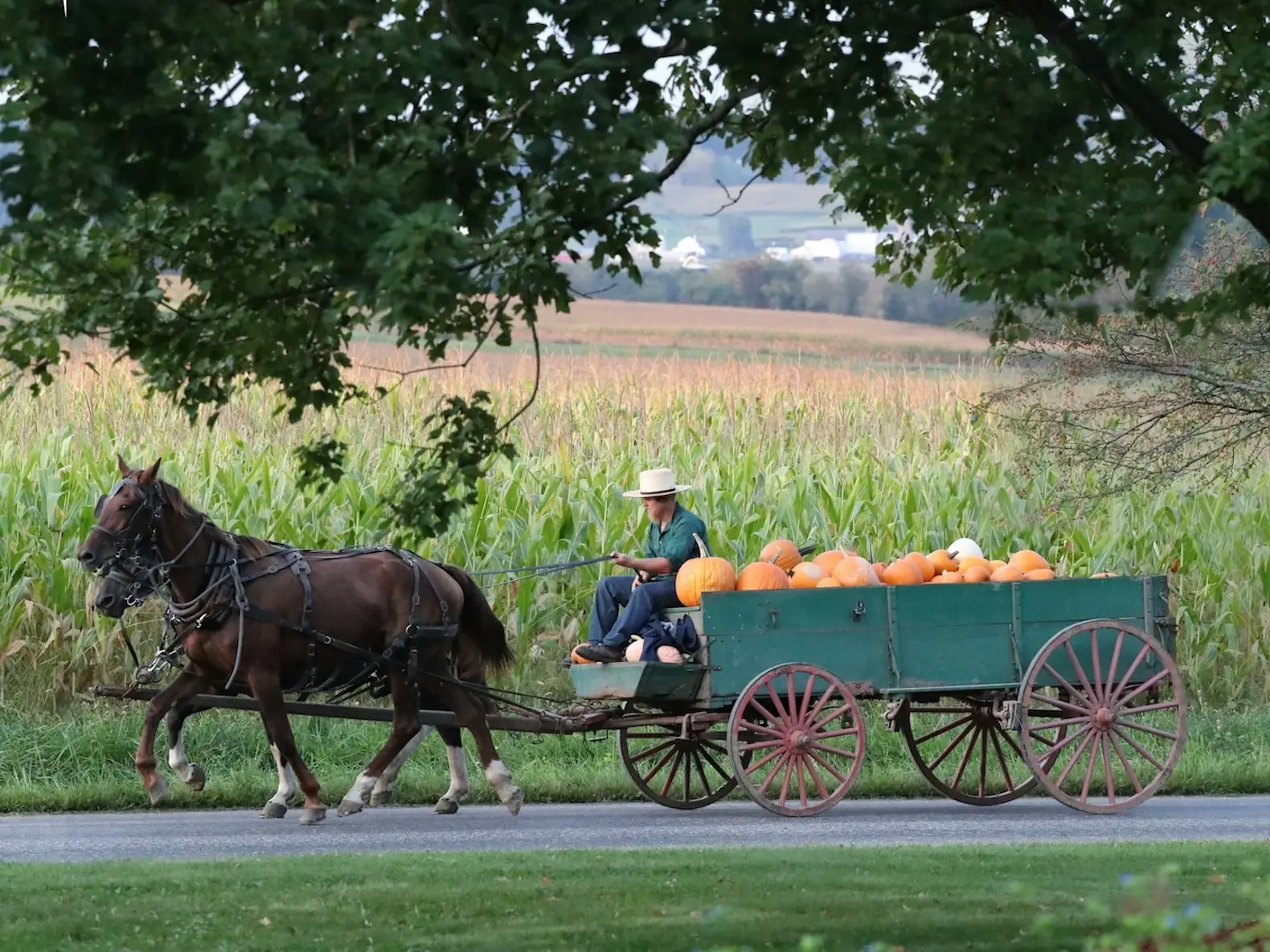
Ordinary orange pumpkin is fine for horses, flesh and seeds both. Cut it into pieces smaller than a fist, remove the woody stem, and offer a slice or two; veterinary sources generally suggest stopping at about a cupful a day. Introduce it slowly, as with any new food.
Three cautions. First, do not feed the Halloween jack-o’-lantern that has been sitting on the porch since October: it will be going mouldy inside and may have candle wax in it. Painted, glittered or bleached pumpkins are out too. Second, canned pie filling is not pumpkin as far as a horse is concerned; it is sugar and spice. Third, pumpkin is high in potassium, so horses with HYPP (hyperkalemic periodic paralysis), a condition found in some Quarter Horse lines and related breeds, should not have it. Stick to the standard orange kind and leave ornamental gourds as ornaments.
Apples
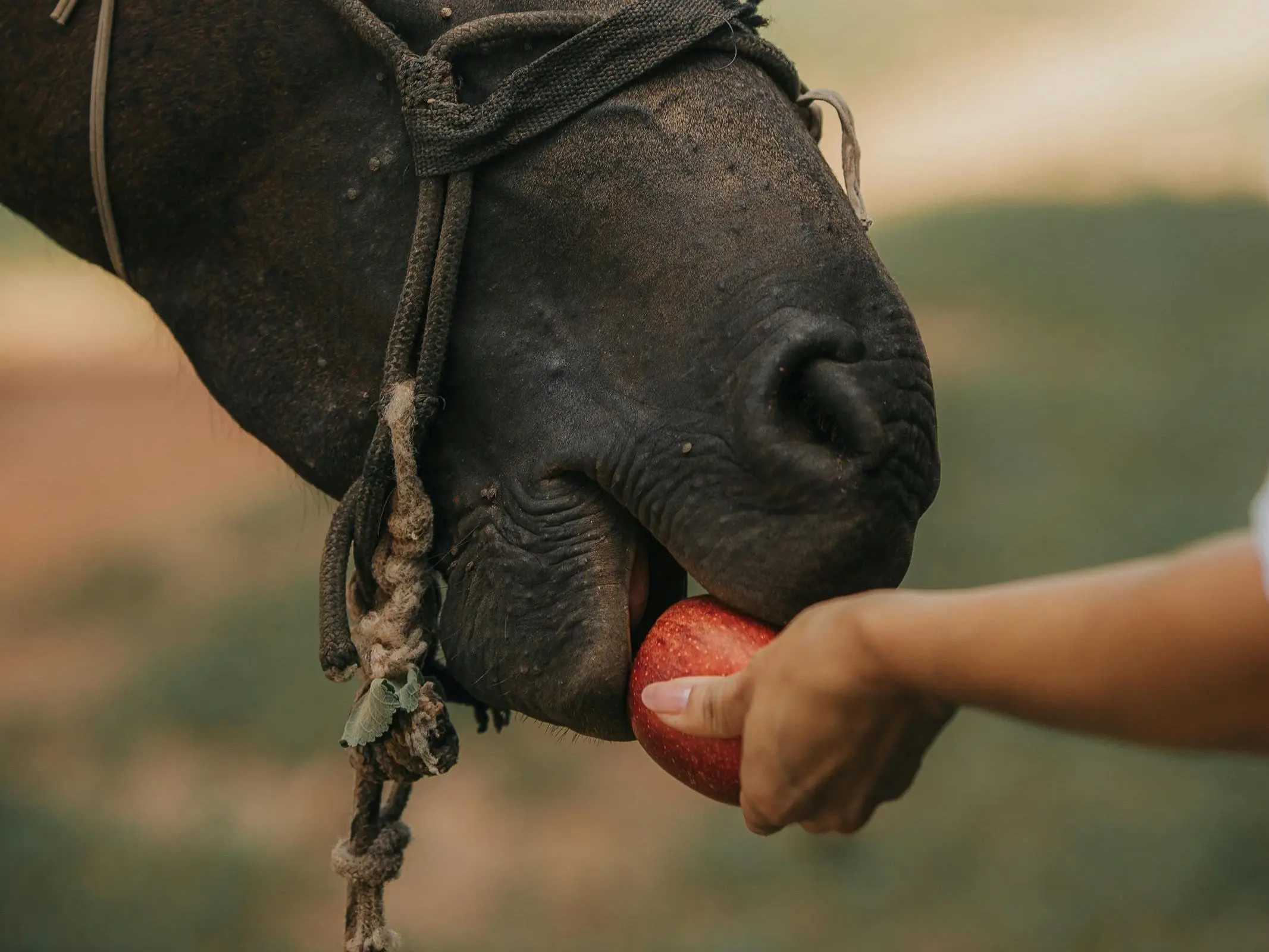
The apple is the classic horse treat and a good one. Slice it and take out the core: our toxic plants guide notes that while the fruit is fine, the seeds, stems and leaves of the apple tree are toxic, particularly wilted leaves. A few pips will not poison a horse, but coring costs nothing, and slices are much less likely to lodge in the throat than a whole apple gulped in one go.
Quantity is the real risk. One or two apples is a treat. A horse loose in an orchard, or handed a bucket of windfalls, can eat enough to bring on colic. The same goes for cherries, plums, peaches and apricots: the flesh is fine in small amounts, but the stones and wilted leaves are not, so stone them first.
Candy Canes and Peppermints
Horses love peppermint, and a single candy cane or a couple of round mints will not harm a healthy horse. But be clear about what it is: a standard candy cane is almost entirely sugar. One is a treat. A handful from every person who walks down the barn aisle on Christmas Eve is a problem.
Take the wrapper off, break a cane into pieces so it is not swallowed as a rigid hook, and do not give sugar-free candy, since artificial sweeteners have not been shown to be safe for horses. For horses with laminitis, insulin resistance or PPID the answer is simply no. If you want the flavour without the sugar, a few fresh mint leaves do the job, and there is a mint treat in our Christmas horse treat recipes.
Chocolate: Never
Chocolate contains theobromine, a relative of caffeine that horses do not handle well. In quantity it can cause colic and seizures. It would take more than a stolen square to do that to a full-sized horse, but there is a second reason to be strict: theobromine and caffeine are controlled substances in equestrian sport, and horses have tested positive after eating chocolate or feed contaminated with cocoa. Keep the selection box, the chocolate coins, the cocoa and the coffee away from the stable.
No chocolate, no coffee, no cola. Toxic in quantity, and a positive drug test in a competition horse.
The Rest of the Christmas Table
Most of what is on a holiday table is too rich, too sweet or too salty to be of any use to a horse. A few items deserve a specific mention.
- Stuffing, gravy and anything with onion or garlic. The onion family, which includes leeks and chives, contains compounds that damage red blood cells and cause anaemia when enough is eaten.
- Brussels sprouts, cabbage and the other brassicas. Not poisonous, but in any quantity they produce a lot of gas, which is the last thing a horse’s gut needs. A leftover floret is harmless; a pan of them is not.
- Potatoes and tomatoes. They belong to the nightshade family. The green parts of both plants and any green or sprouting potato are toxic. There is no good reason to feed the rest.
- Avocado. Our guide lists the fruit, seed, leaves and bark of the avocado as toxic. Guacamole stays indoors.
- Christmas cake, pudding and mince pies. The raisins are not the issue. The sugar, fat and brandy are.
- Bread. A small piece of plain bread is a harmless treat. Large amounts are a starch overload, and stale bread goes mouldy quickly.
Wreaths, Garlands and Other Greenery
This is where the serious poisonings happen, because holiday greenery gets hung exactly where a bored horse can reach it.
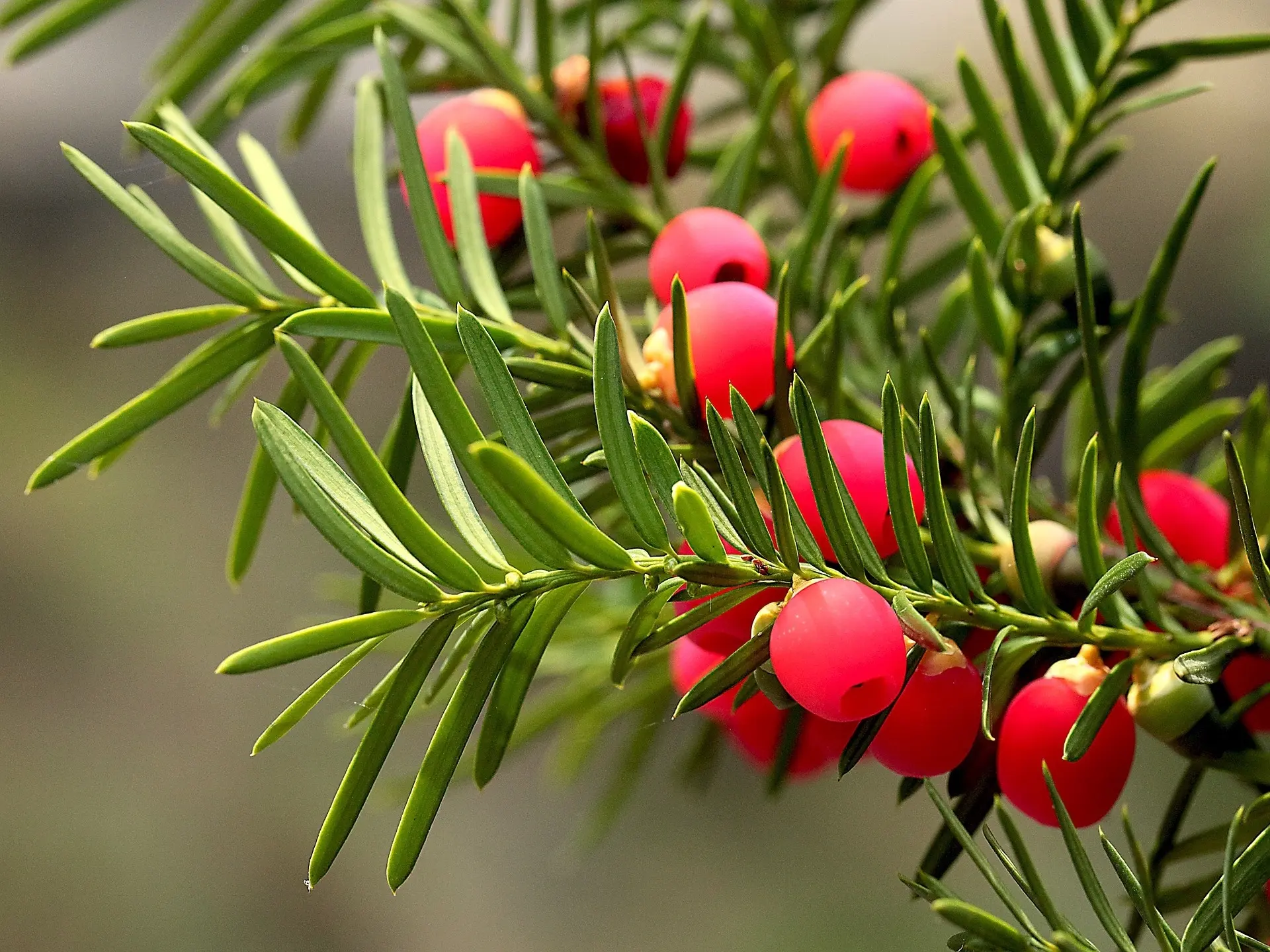
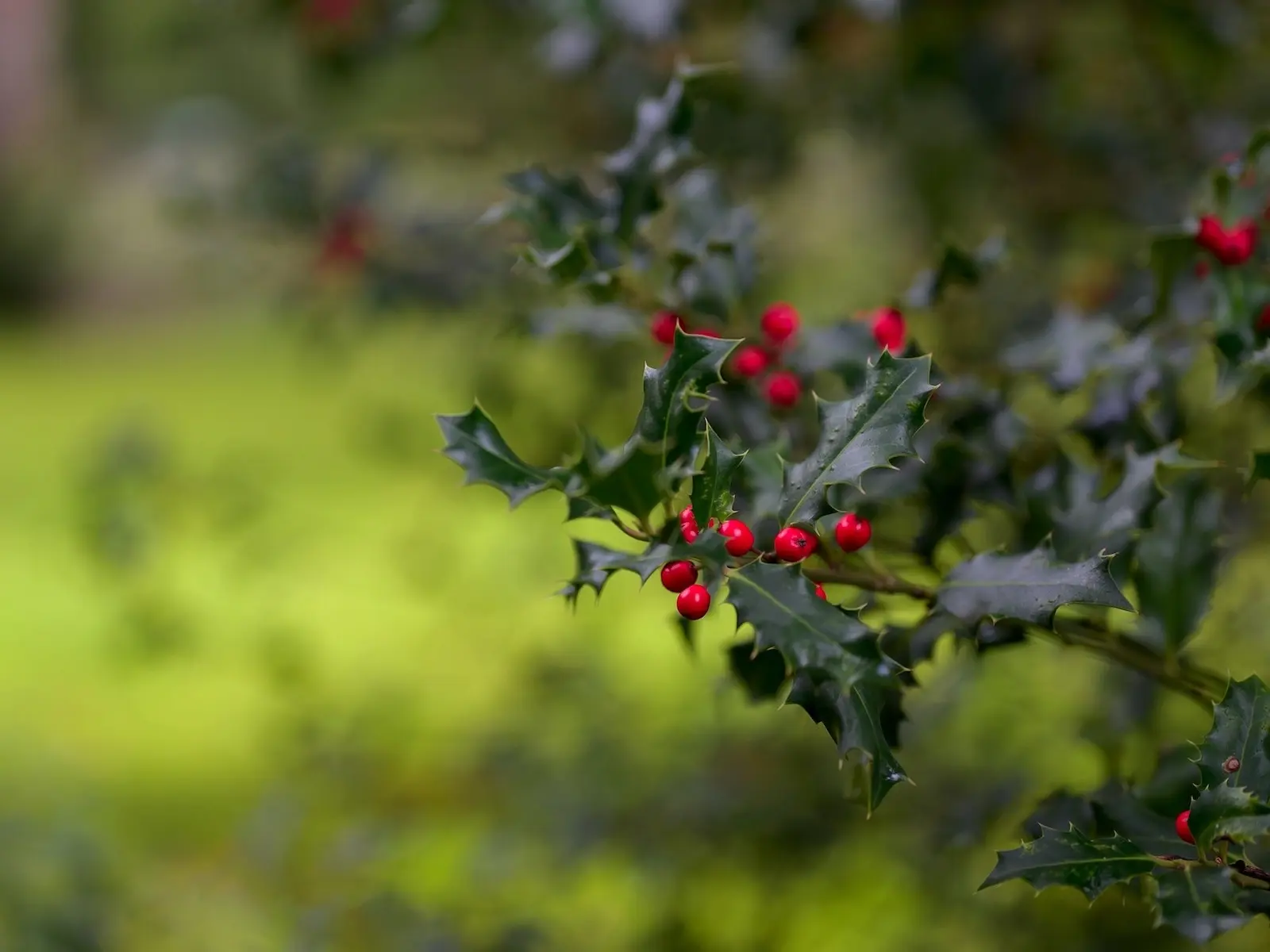
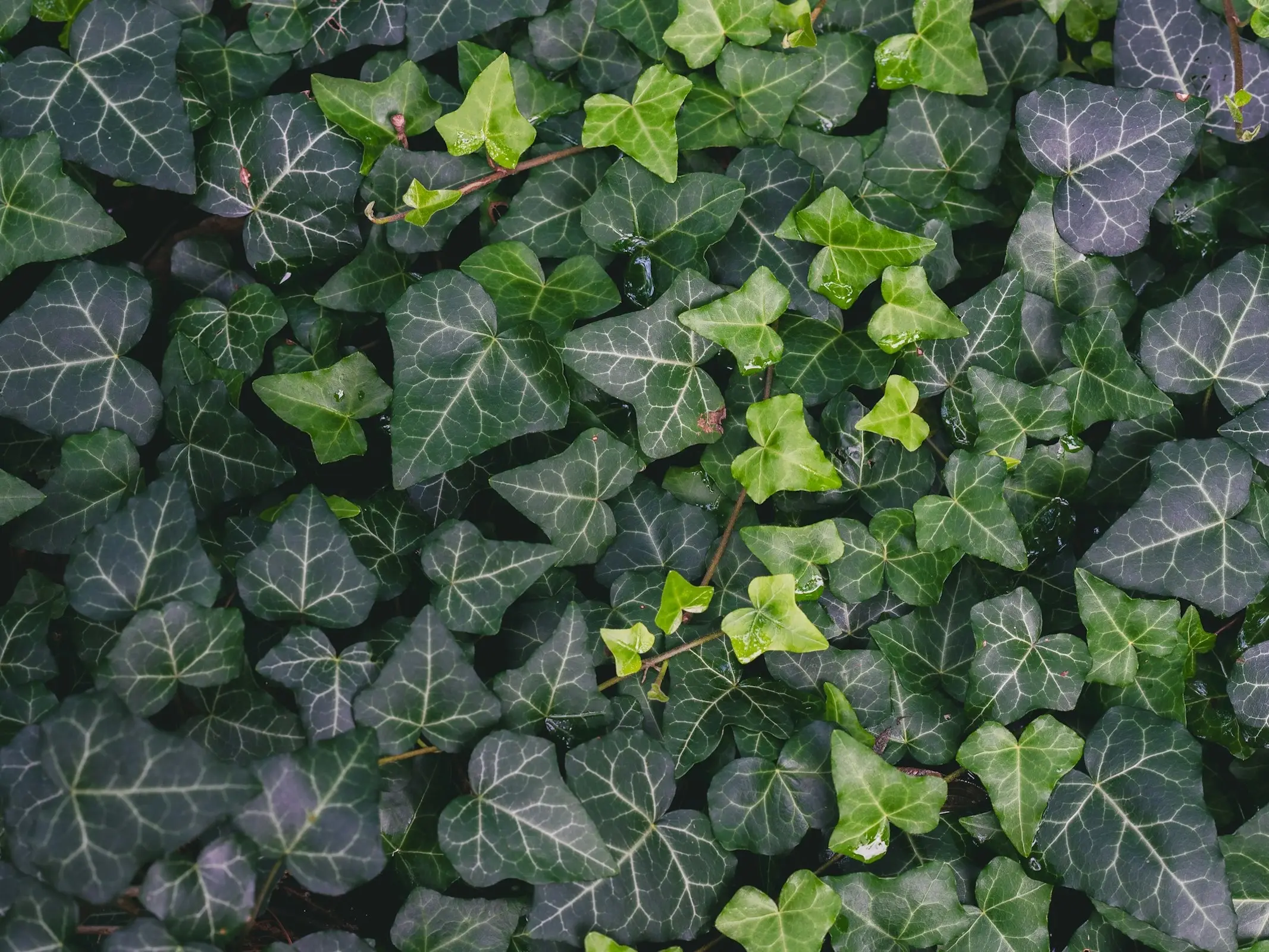
- Yew is the one that matters most. Every part of the plant is poisonous, a handful can kill a horse, and death can come within hours and without warning. Yew is common in wreaths, garlands and churchyard hedges. Never use it to decorate a stable, and never tip hedge clippings where horses can get at them.
- Holly berries and leaves are toxic. Horses rarely choose to eat it, but a wreath at nose height changes the odds.
- Ivy is toxic in all its parts.
- Mistletoe is poisonous to horses; keep it in the house.
- Christmas rose, a hellebore sold as a winter pot plant, is toxic throughout.
- Poinsettia has a worse reputation than it deserves and is at most a mild irritant, but it is not horse food either.
If you want a photograph of your horse in a wreath, use one made of plants you can identify, take the picture, and take the wreath off again. Tinsel, ribbon, wire and baubles are their own hazard if swallowed. The full list, with pictures, is in our guide to plants that are toxic to horses.
Mouldy Leftovers and the Kindness Problem
Horses cannot vomit, which means whatever goes down has to go all the way through. Mouldy food can cause serious colic in a horse, and some moulds produce toxins that do worse. That rules out the bucket of mixed kitchen scraps, the bag of stale bread, last month’s pumpkin and any hay or feed that smells musty. Fresh lawn clippings belong in the same category: they ferment within hours and are a well-known cause of colic and laminitis.
The other holiday risk is well-meaning visitors. One treat from each of twenty guests is twenty treats. If your horse lives where the public or the relatives can reach it, put up a polite sign, and tell children exactly what they may feed and how: from a flat hand, as shown in our post on feeding treats.
If Your Horse Eats Something It Should Not
Call your vet straight away. Do not wait for symptoms, especially with yew. Tell them what was eaten, roughly how much and when, and keep a sample of the plant or the packaging if you can. Take away any remaining food, and do not try home remedies while you wait.
More Reading
- Christmas horse treats you can make at home
- What can horses eat? The safe and toxic foods list
- Types of horse treats
- Plants that are toxic to horses
- Have a safe horsey Halloween
We are not veterinarians. This guide reflects our toxic plants guide and mainstream veterinary advice, including Rutgers Equine Science Center’s “Odd Things That Horses Eat” and the FEI’s rules on prohibited substances, and is for reference only. If you think your horse has eaten something toxic, call your vet right away.