Girths and Cinches
The girth is the wide strap that passes under a horse's belly, just behind the front legs, and holds the saddle in place. Western riders call it a cinch. It has to be tight enough to keep the saddle from slipping, yet comfortable enough for the horse to move its legs freely and work without rubs or soreness.
How it attaches
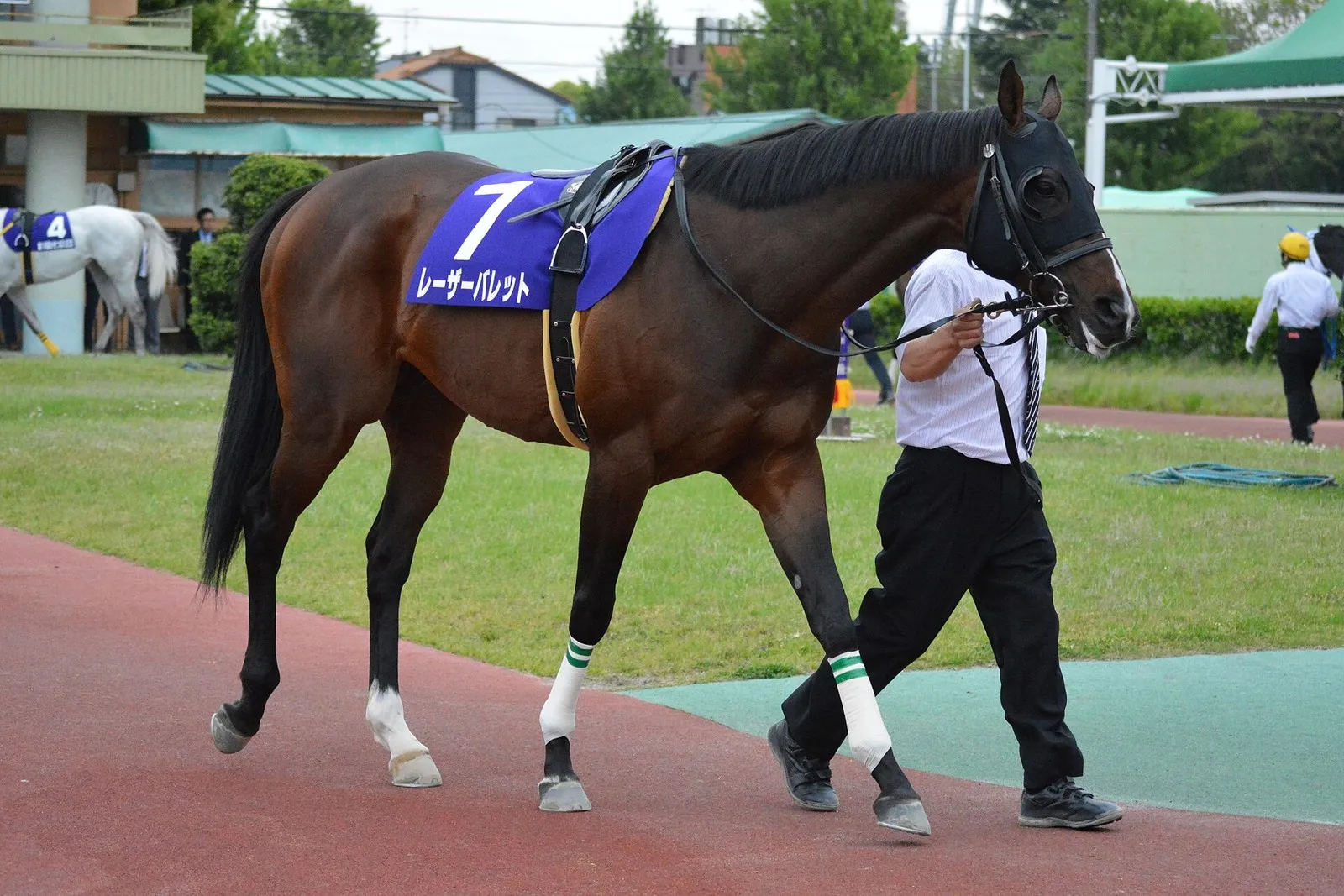
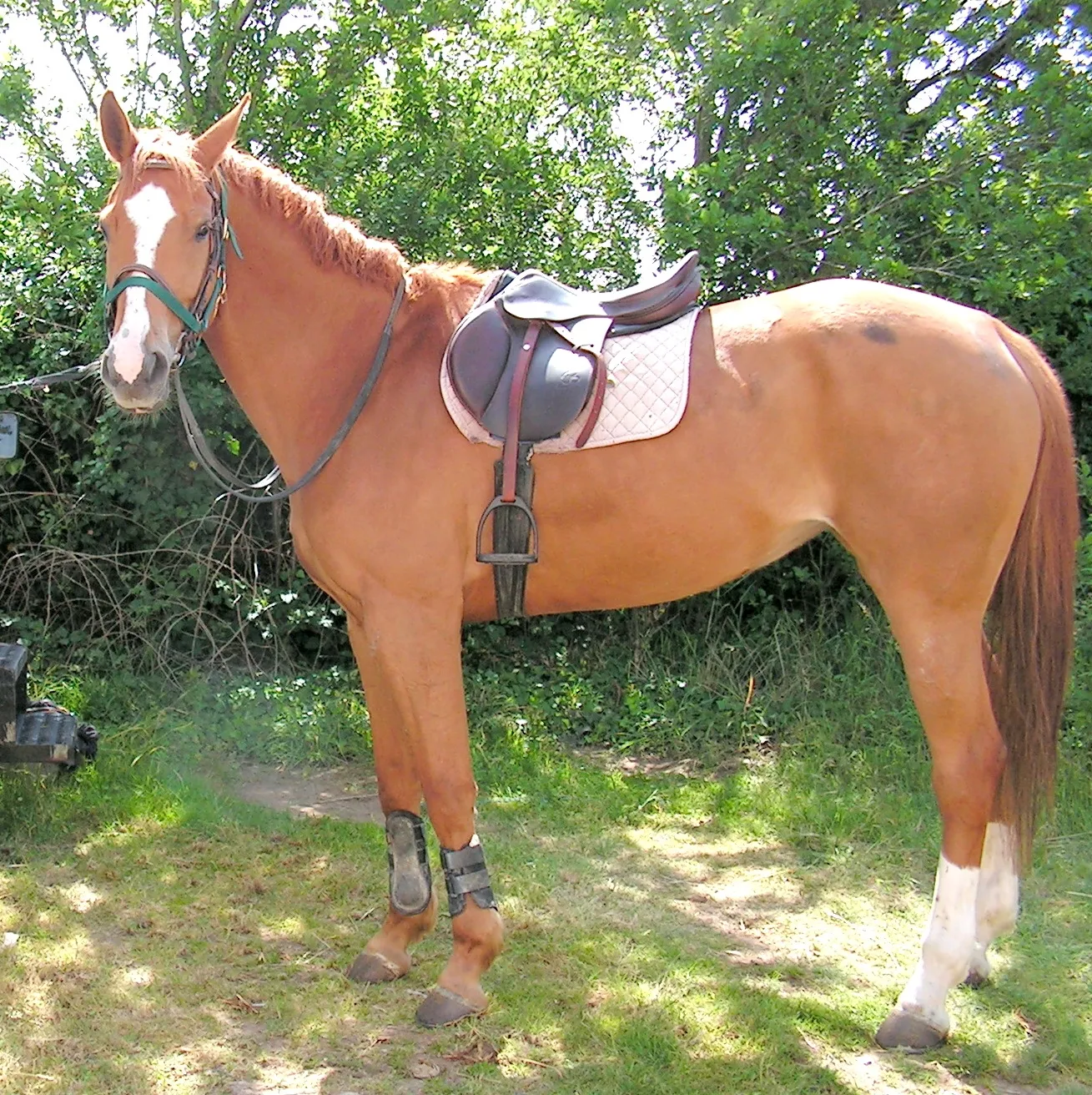
On an English saddle, the girth buckles to the billets, the straps hidden under the saddle flap. Most saddles have three billets a side and the girth uses two; buckle it to the same pair on both sides. A folded leather girth goes on with its folded edge to the front. Dressage saddles have long billets that hang below the flap, so they take a short girth that keeps the buckles away from the rider’s leg.
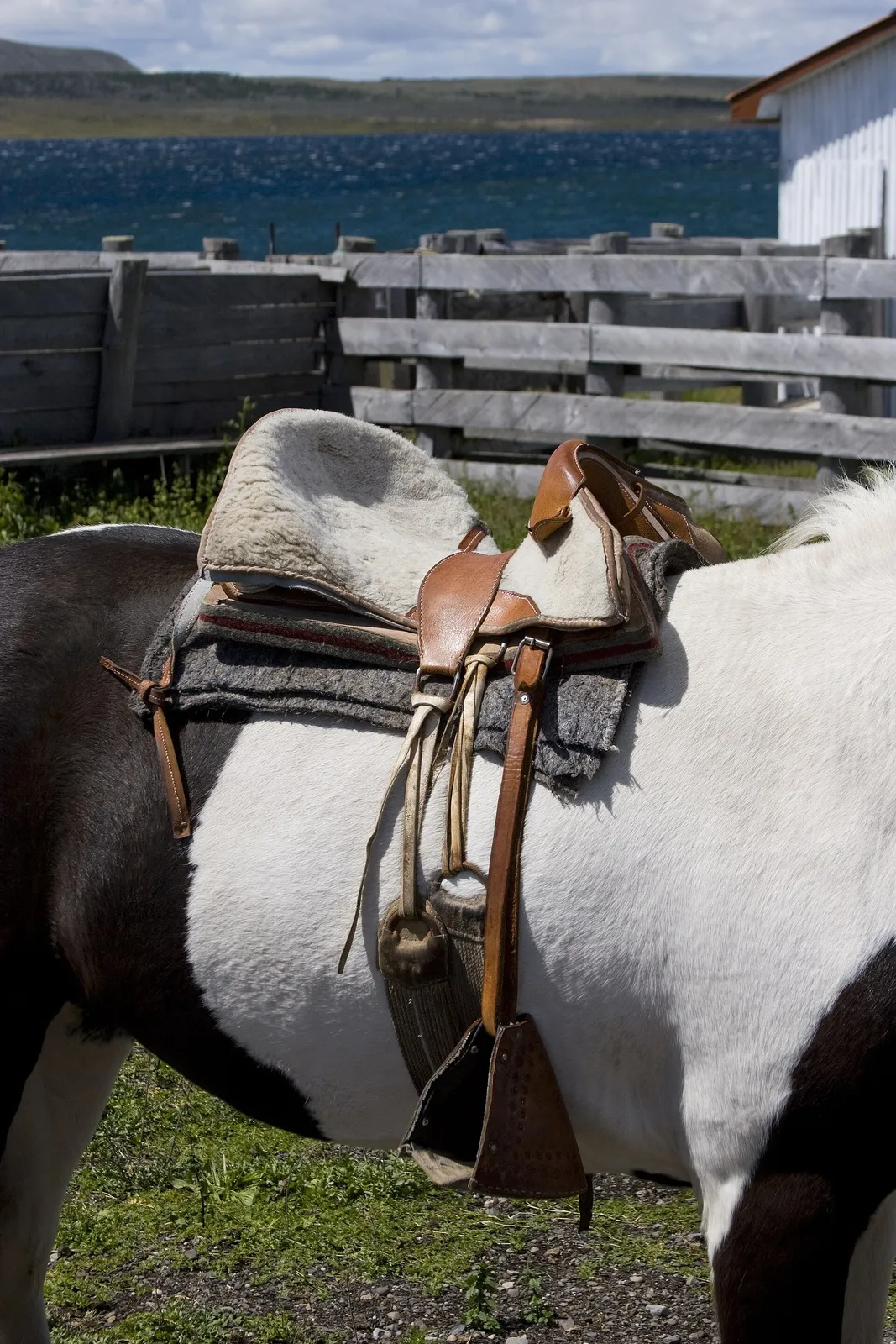
A western cinch has a ring at each end. On the off (right) side it hangs from a short strap called the off billet. On the near (left) side, a long leather strap called the latigo is threaded through the cinch ring and the saddle’s rigging ring, then fastened either with the cinch buckle’s tongue through a hole in the latigo or with a flat cinch knot. Many western saddles also have a back cinch, buckled to rear billets and joined to the front cinch by a short connecting strap.
Types of girth and cinch
| Type | What it is for |
|---|---|
| Straight girth | Plain webbing, cotton or leather for everyday English riding |
| Shaped (anatomic) girth | Cut away behind the elbows so the front legs can swing back without rubbing; leather versions include the Atherstone and the Balding |
| Short (dressage) girth | For saddles with long billets, keeping the buckles out from under the rider’s leg |
| Girth with a belly guard | A wide shield in the middle protects the belly from the studs (screw-in grips) on the front shoes as a horse tucks its legs over a jump |
| Overgirth | An extra strap that goes over the top of the saddle and around the horse, used in racing, eventing and polo |
| String or mohair cinch | The classic western cinch, made of many strands of cord; it breathes and gives a little |
| Neoprene or felt cinch | Soft against the skin and easy to wash |
| Back (flank) cinch | A second cinch on roping and ranch saddles that keeps the back of the saddle down; always joined to the front cinch |
Girths come in leather, cotton, nylon webbing, neoprene, mohair and synthetic blends, and some have elastic at one or both ends. A fleece sleeve can be slipped over a girth for a horse with sensitive skin.
Fitting and tightening
To find the right length, put the saddle and pad on and measure from the middle billet hole on one side, under the belly, to the middle hole on the other. The girth should lie in the natural groove just behind the elbows, and the buckles should end up at about the same height on both sides.
Tighten it in stages. Do it up just snug at first, lead the horse a few steps, then take it up a hole or two; check it again once you are mounted and have walked for a few minutes. A western cinch is tight enough when about two fingers fit between the latigo and the horse. Cinching hard and fast can make a horse “girthy” or “cinchy,” and some horses will throw themselves down or flip over backward. The University of Arkansas guide Saddling the Horse goes through each step. When you unsaddle a western horse, undo the back cinch first and the front cinch last.
A horse that pins its ears, swings its head around, bites or tenses as the girth is done up may be in pain rather than being rude. When the veterinary hospital at UC Davis reviewed 37 girthy horses, the causes it found included stomach ulcers, back and limb problems and badly fitting saddles, so ask your vet to look at a horse that has turned girthy.
Girth galls and everyday care
A girth gall is a rub or swelling behind the elbow caused by friction. Dirty, stiff or poorly fitting girths are the usual cause, and the soft skin of a horse coming back into work is most at risk. Groom the girth area before every ride, keep the girth clean and supple, and build up work slowly. If the skin is broken, keep the girth off it and ask your vet how to treat it.
After riding, brush or wash the girth and let it dry. Clean and condition leather girths and latigos, and check the stitching, buckles, elastic and holes for wear. A cracked latigo or off billet carries the whole saddle, so replace it rather than hoping it will last.
Worth knowing
In 2013 a team led by the veterinarian Rachel Murray published a study in The Veterinary Journal that mapped the pressure under girths. On ordinary girths the highest pressure sat just behind the elbow. When top competition horses wore a girth shaped to avoid those spots, they reached farther forward with both front and hind legs.
Related tack
A girth works with the saddle above it, whether English or western, and the saddle pad beneath; a breastplate often fastens to it as well.
Top image from Nadaraikon under the CC BY-SA 3.0 license

Image from Karlyne under the CC BY-SA 2.5 license

Image from Ealdgyth under the CC BY 3.0 license
