Are Zebras Just Horses in Pajamas? The Real Difference Between Zebras, Horses and Donkeys
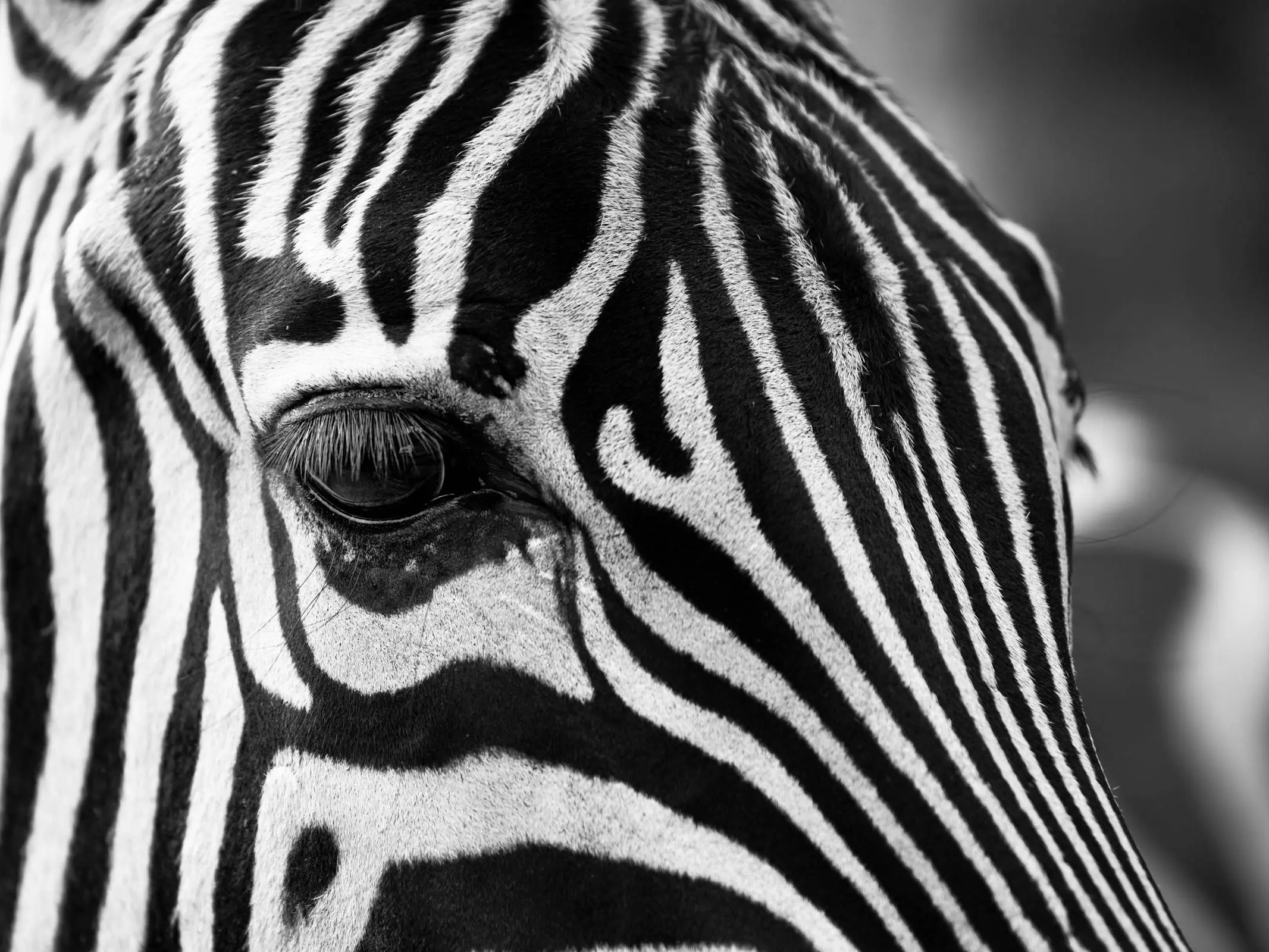
No. A zebra is not a horse in pajamas, and if it is anything in pajamas it is a donkey. All three belong to the same genus, Equus, but they have been going their separate ways for millions of years. They carry different numbers of chromosomes, behave differently, and only two of them ever agreed to work for us.
One Family, Three Branches
Every living member of the horse family belongs to the single genus Equus. According to a 2013 study of ancient horse DNA, their most recent common ancestor lived about 4 to 4.5 million years ago. Around then the line leading to horses split from the line leading to everything else. The asses and the zebras stayed together for longer and only parted company about 2 million years ago.
So the family tree looks like this:
- Horses: the domestic horse and its wild cousin, Przewalski’s horse.
- Asses: the African wild ass and its domestic form the donkey, plus the Asian wild asses (the onager and the kiang). We met them in the Equus and Asinus members of the family.
- Zebras: three species, all African.
A zebra and a donkey are therefore more closely related to each other than either is to a horse. Hence the pajamas problem.
The Numbers
| Animal | Species | Chromosomes | Height at the shoulder | Wild status (IUCN) |
|---|---|---|---|---|
| Domestic horse | Equus caballus | 64 | Varies hugely by breed | Domestic |
| Przewalski’s horse | Equus ferus przewalskii | 66 | 12 – 14 hands | Endangered |
| Donkey | Equus africanus asinus | 62 | Varies by breed | Domestic |
| Grévy’s zebra | Equus grevyi | 46 | 125 – 160 cm | Endangered |
| Plains zebra | Equus quagga | 44 | 110 – 145 cm | Near Threatened |
| Mountain zebra | Equus zebra | 32 | 116 – 146 cm | Vulnerable |
Look at the chromosome column. A horse has 64 and a mountain zebra has 32, exactly half as many. The genes are broadly the same; they have just been packaged into different numbers of parcels over a few million years. That repackaging is the main reason these animals can’t simply blend back into one another.

Grévy’s zebra
The biggest, with narrow stripes, a white belly and large round ears.

Plains zebra
The common one, about half a million strong, with broader stripes.

Mountain zebra
The one with half a horse’s chromosome count.
There is more on telling the three apart in Know Your Zebra Species and Meet the Equidae Family: Zebras. The plains zebra also had a half-striped subspecies, the quagga, which was hunted to extinction in the nineteenth century.
About Those Stripes
Underneath the coat a zebra’s skin is black, so the best answer to the old question is “black with white stripes”.
What the stripes are for has been argued over for 150 years. Camouflage, confusing predators, keeping cool and recognising one another have all been proposed. The explanation with the most evidence behind it is less glamorous: stripes put off biting flies. In a 2019 experiment, researchers led by Tim Caro dressed ordinary horses in zebra-striped coats and found that flies had trouble landing on them, just as they did on real zebras.
Horses and donkeys are not entirely stripeless, by the way. Dun horses often carry faint zebra-like bars on their legs and a dorsal stripe down the back, and most donkeys wear a cross over the shoulders. The patterns are old ones that run through the whole family. For a less scientific account, there is always How the Zebra Got Its Stripes.
Why Nobody Rides a Zebra
Horses were domesticated on the steppes of what are now Ukraine and Kazakhstan, with the earliest evidence dating to about 4000–3500 BCE. Donkeys were domesticated in North Africa more than 5,000 years ago. Zebras, which lived alongside people in Africa for the whole of human history, never were.
It wasn’t for want of trying. Zebras pulled chariots in Roman arenas. German colonial officers in East Africa tried them for riding and driving with little success. And in late nineteenth-century England the zoologist Walter Rothschild trained a team of zebras to draw a carriage and drove it to Buckingham Palace.
You can tame a zebra. Nobody has ever domesticated the zebra. The difference is the whole story.
Taming is what you do to one animal. Domestication is what happens to a population over many generations of selective breeding, and for that you need animals that will tolerate confinement, breed readily in it, and not try to injure their keepers as a matter of principle. Zebras fail on temperament. One suggestion is that they evolved under heavy pressure from Africa’s predators, early humans included, and came out of it more reactive and more aggressive than the wild horses and asses that people elsewhere started with. A zebra that feels cornered kicks and bites in earnest.
There is a social difference as well. Plains and mountain zebras live in small family groups of a stallion, several mares and their foals, much as wild horses do. Grévy’s zebras don’t: stallions hold territories and the mares come and go, forming only loose associations.
When They Interbreed
Different chromosome numbers don’t prevent these animals from mating. They do, as a rule, prevent the offspring from having offspring.
- Mule: donkey father, horse mother. With 63 chromosomes, midway between 62 and 64, mules are almost always sterile. The reverse cross, the hinny, is rarer. See Horse Hybrids.
- Zorse: zebra father, horse mother. A cross with a plains zebra has 54 chromosomes. Meet some in The Zorse: A Genetic Twist of Fate.
- Zonkey or zedonk: zebra crossed with donkey. There are pictures in Zedonk and Zebret.
Collectively the zebra crosses are called zebroids. They usually look like the non-zebra parent wearing stripes on the legs, neck and sometimes the body, and they tend to inherit a good share of zebra attitude along with them.

Eclyse, a zorse with a pinto pattern from her horse mother. Image from Fährtenleser under the CC BY-SA 4.0 license

Horse, Donkey or Zebra: A Field Guide
Should you ever find yourself unsure:
- Mane. A horse’s mane falls over and it has a forelock. Zebra and donkey manes stand upright like a brush, with no forelock to speak of.
- Tail. A horse’s tail has long hair from the top. Zebras and donkeys have a tufted tail, more like a cow’s.
- Ears. Short on the horse, long on the donkey. Zebras vary, and Grévy’s zebra carries the biggest, roundest pair.
- Voice. Horses neigh and whinny. Donkeys bray. The plains zebra’s main call is a high-pitched bark, and a Grévy’s stallion brays. Neither sounds anything like a horse.
- Stripes. A bit of a giveaway.
How They Are Doing
Horses and donkeys number in the tens of millions. Their wild relatives are in a very different position. Grévy’s zebra is listed as Endangered by the IUCN Red List, the mountain zebra as Vulnerable and even the familiar plains zebra as Near Threatened, with habitat loss, hunting and competition with livestock among the causes.
So no, not horses in pajamas. They are three old branches of one family, and each of them took a different route. The horse got faster, the donkey got tougher, and the zebra kept its stripes and its independence.
If you want to see where the domestic branches ended up, our horse breeds section is a good place to get lost.