Horse Breeds for Beginners: 12 Calm, Forgiving Breeds That Won’t Judge Your Posting Trot
The best horse breeds for a beginner are the ones bred for generations to stay calm and put up with people: the American Quarter Horse, Paint, Morgan, Haflinger, Norwegian Fjord, Icelandic, Connemara, Irish Draught, cob, Gypsy Vanner, Tennessee Walking Horse and Missouri Fox Trotter. Any of them can carry you through the stage where your posting trot looks like someone trying to stand up in a rowing boat.
First, the small print
Breed is an average, not a promise. There are spooky Quarter Horses and saintly Thoroughbreds, and the horse in front of you has not read its breed description. A horse’s age, training, daily handling and history count for more than its papers. The classic advice still holds: the best beginner’s horse is ten to twenty years old, has seen everything twice, and belongs to no breed in particular.
What a breed does tell you is which way the odds lean. The twelve below were selected, by farmers, ranchers and Traveller families who had no time for nonsense, to be sensible first and everything else second. Heights are from each breed’s page in our encyclopedia.
1. American Quarter Horse
The default answer, and a good one. The Quarter Horse was built to work cattle all day without drama, and the breed description on our page starts with “eager to please”. It is also the most popular breed in the United States, so there are plenty of older, experienced ones about, and “older and experienced” is the bit you are really shopping for.
Watch for: lines bred purely for racing or cutting can be a lot quicker than a novice wants. Ask what the horse has actually been doing for the last five years.
2. American Paint
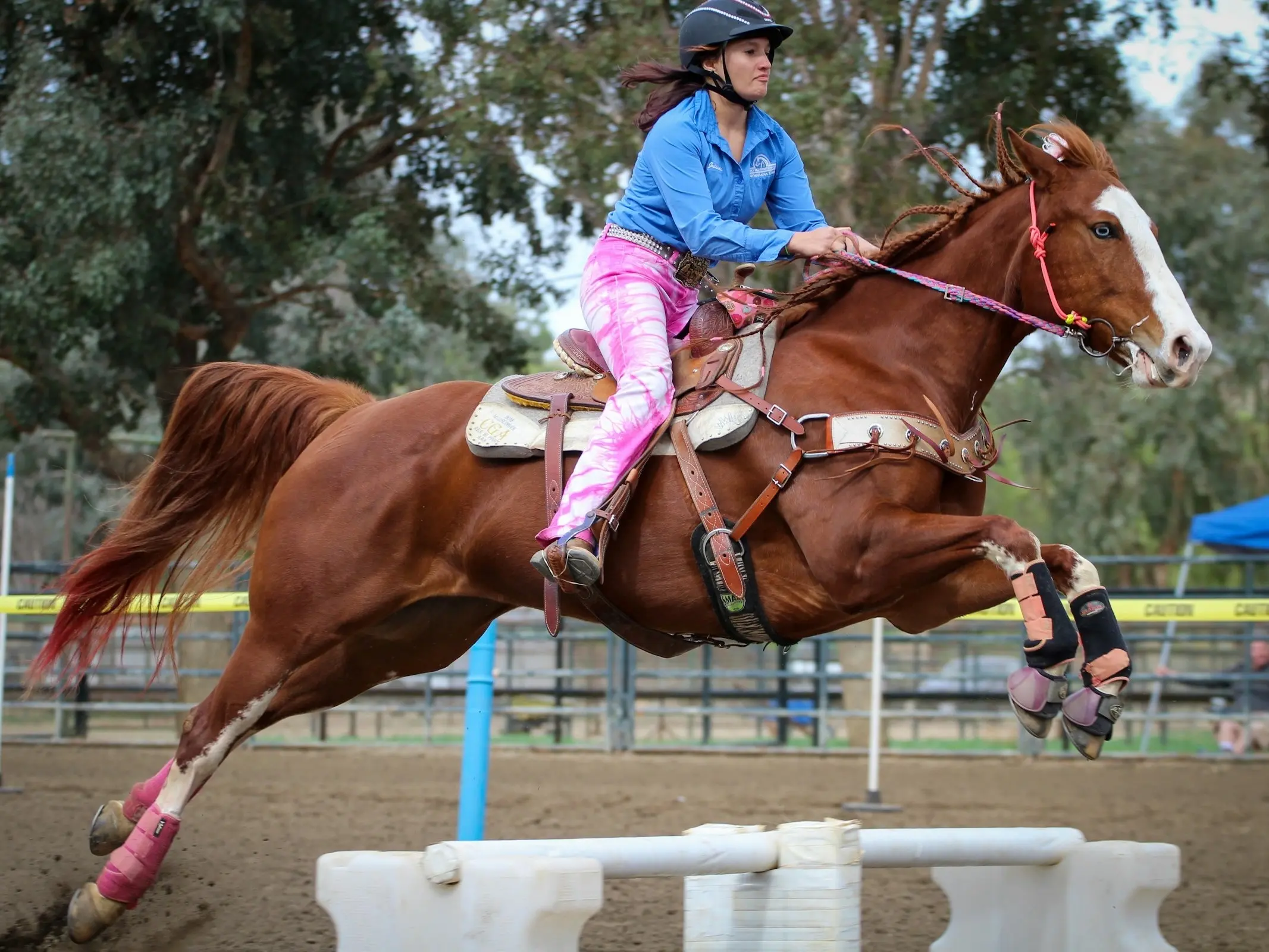
The Paint (15–16 hands) is Quarter Horse and Thoroughbred blood in a spotted coat, with the same stock-horse brain. If you want the Quarter Horse temperament and would also like to find your horse easily in a field of bays, here you are.
3. Morgan

America’s first documented breed, descended from one small, tough stallion called Figure, and still compact at 14.1–15.2 hands. Morgans are people-horses: brave, eager to please, and happy to do a bit of everything. They have more go than a Quarter Horse, which a confident beginner will like and a nervous one may not.
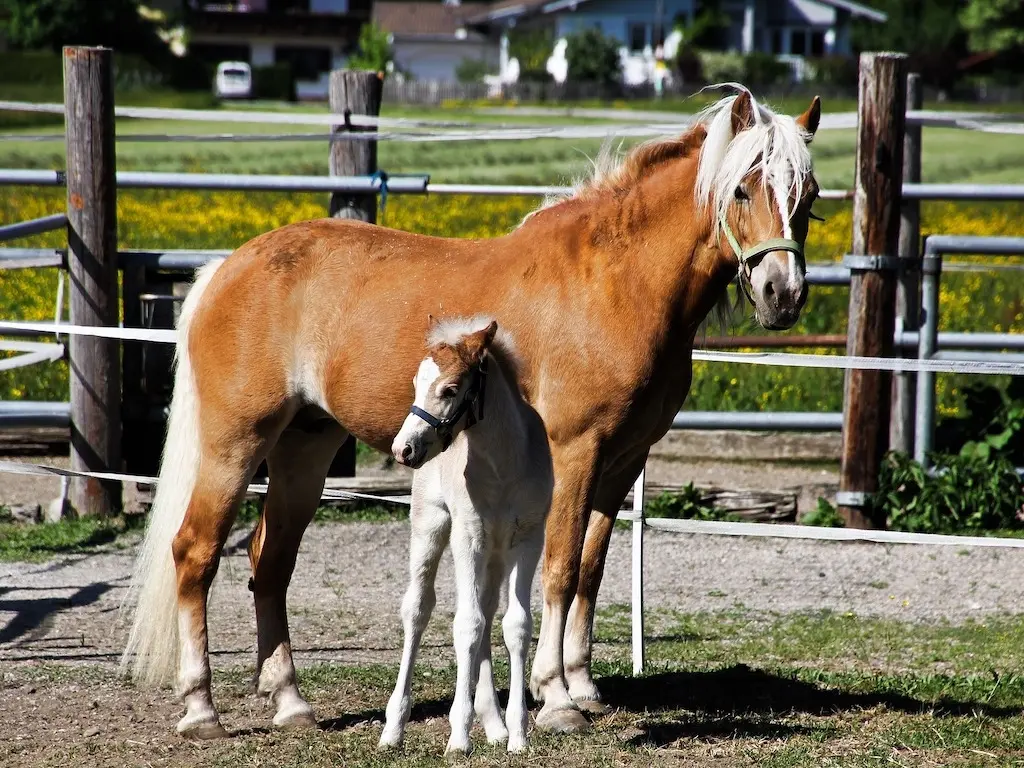
4. Haflinger
The golden one with the blond mane, from the Tyrol, at 13–15 hands. Haflingers are strong enough for most adults, small enough not to be alarming, and famously friendly. Our breed page calls them amiable, hardworking and eager.
Watch for: they are clever and extremely fond of food. A Haflinger that has learned it can drag a novice to the nearest grass will do so, cheerfully, for ever.
5. Norwegian Fjord

Our page lists the Fjord’s temperament as “exceptionally mellow”, and that is not overselling it. A small, thick, dun-colored horse (13–14.1 hands) with a two-tone mane traditionally cut to stand up like a brush, it has pulled plows and carried children in western Norway for a very long time. Fjords are popular in therapeutic riding programs for a reason.
6. Icelandic
The Icelandic is 13–14 hands, carries grown adults without complaint, and has a secret weapon for anyone whose trot is a work in progress: the tölt, a smooth four-beat gait with no bounce in it at all. No bounce, no posting, no judgment.
Watch for: they are sold and trained within their own tradition, so find a teacher who knows the gaits.
7. Connemara
Ireland’s native pony, 13–15 hands, and the classic “first proper pony” that an adult can ride too. Sensible, tough and a much better jumper than you are, which is useful later on.
8. Irish Draught

For the tall beginner. The Irish Draught (16–17 hands) was the Irish farmer’s everything-horse: plow on Monday, cart on Saturday, hunting on Sunday. That produced a big animal with an even temper and a strong sense of self-preservation, which is exactly what you want underneath you while you learn.
9. Cob

A Cob is a type more than a breed: short legs, round barrel, sensible head, 14.2–15.1 hands. British riding schools run on them. The description on our page is “calm and responsive”, and a good cob is the closest thing in the horse world to a comfortable armchair that can also jump a hedge. The Welsh Cob is the fancier, livelier Welsh version.
10. Gypsy Vanner
The Vanner, or Irish Cob, was bred by Traveller families to pull a living wagon and be safe around the children who lived in it, and a mild temperament is written into the breed standard. It stands 13–15 hands, is often black and white, and carries enough hair for three horses (see our hairy horses gallery).
Watch for: the hair. The feathers need regular attention, and you will be doing the attending.
11. Tennessee Walking Horse
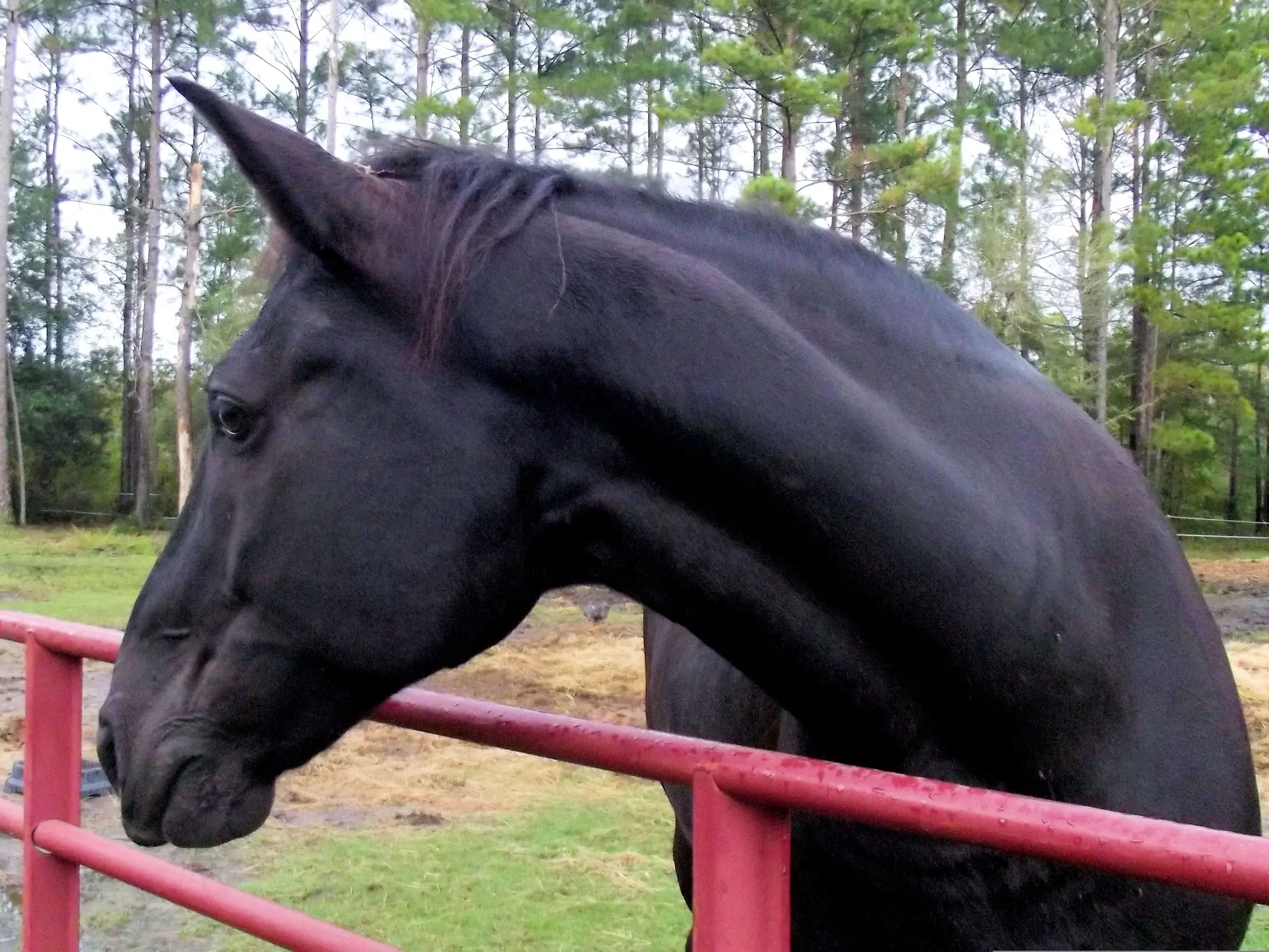
Bred to carry plantation owners around their fields for hours in comfort, the Walker glides along in a running walk instead of trotting. Our page sums up its temperament as “kind and understanding”, which is what you want in something watching you learn.
12. Missouri Fox Trotter
The Ozark answer to the same problem: a sure-footed, gentle horse (14–16 hands) with a smooth, broken gait called the fox trot, popular with trail riders and with anyone whose back has opinions. The Rocky Mountain Horse is a third smooth-gaited option from the same school of thought.
What matters more than breed
- Age and mileage. A horse in its teens that has been ridden by many people is worth more to a learner than any pedigree. “Green horse, green rider” is a saying because of how it ends.
- Size. You do not need a big horse. Most adults are well carried by something around 15 hands, and smaller is less far to fall. Check the fit with our rider weight tool.
- The seller’s answers. Ask who rides the horse now, how often, and doing what. Then ask to watch them ride it before you get on.
- A second opinion. Take your instructor to see any horse you are thinking of buying, and have a vet examine it before money changes hands. Both will see things you won’t.
- Lessons first. Nobody needs to own a horse to learn to ride. A year on riding-school horses will teach you what you actually like.
And the breeds to leave for later
No horse is off limits for ever, but some are a poor match for year one: young horses of any breed, horses straight off the racetrack, and the hot, quick, sensitive types that react to every twitch of a nervous rider’s hands. They are wonderful. They will still be wonderful in three years, when you are ready for them.
Where to go next
- Our first horse checklist and the basics of riding for beginners.
- What a horse really costs to keep: horse care costs, plus the feeding calculator for the hay bill.
- Browse all 977 breeds in the encyclopedia, or let the breed of the day pick one for you.
As for the posting trot: up on one beat, down on the next, and everyone looked like that at first. The horse has seen worse.