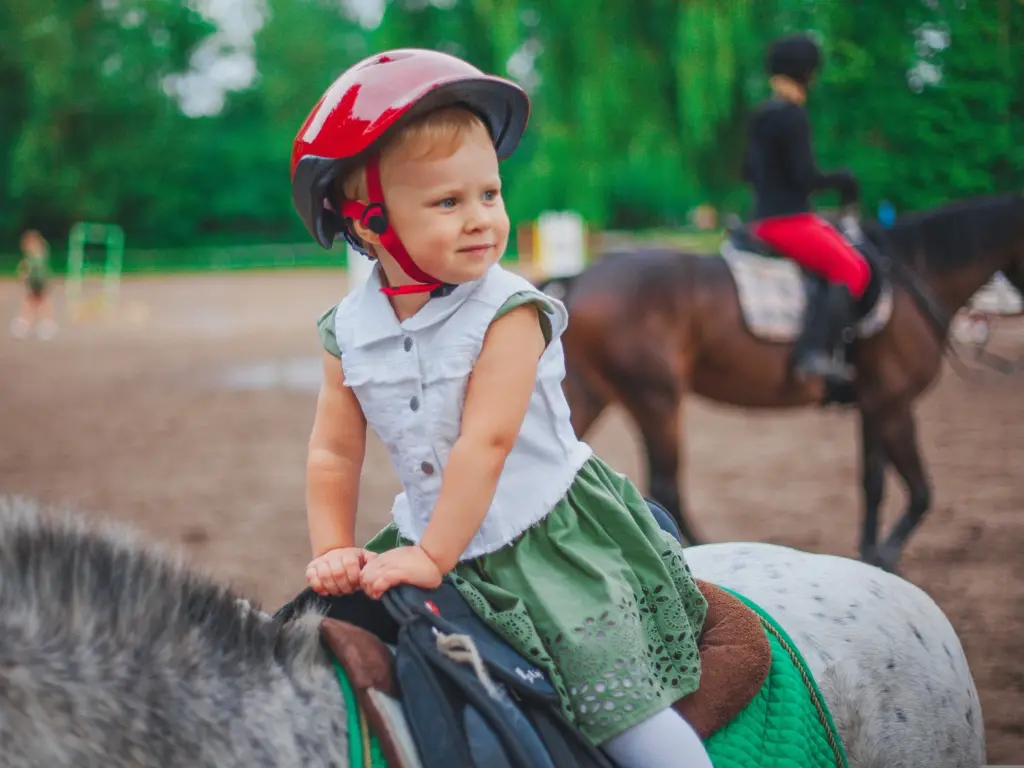
So, you’ve decided to try horseback riding, welcome!
First Things First
Whether you’re dreaming of peaceful trail rides or just want to connect with these amazing animals, horseback riding rewarding. That said, it can feel a little intimidating at first. Horses are big, powerful, and very much their own personalities. The good news? With a few basics under your belt, you’ll feel more confident in no time.
Get to know the horse. Horses are sensitive animals that respond to body language, tone of voice and energy. Before you even climb into the saddle, spend a moment calmly approaching your horse. Avoid sudden movements, speak gently and let the horse see you coming. This builds trust and sets the tone for a good ride.
Dress the Part
Next up is proper gear. You don’t need anything fancy as a beginner, but safety is non-negotiable. A well-fitted riding helmet is essential, no exceptions. Wear long pants to prevent chafing and boots with a small heel to keep your foot from sliding through the stirrup. Comfort and safety go hand in hand here.
Mounting Up
Once you’re ready to mount, remember that balance is key. Most riders mount from the left side, placing one foot in the stirrup and gently swinging the other leg over the horse’s back. Try to sit softly in the saddle rather than plopping down. Keep your posture relaxed but upright—shoulders back, head up and heels down. Good posture helps you stay balanced and makes it easier for the horse to understand your cues.
Keeping in Touch
Speaking of cues, beginner riding mostly revolves around simple signals. Your legs tell the horse to move forward, your reins help guide direction and your seat (how you sit and shift your weight) plays a bigger role than you might expect. Gentle pressure is usually more effective than force. Horses respond best to clear, calm communication.
Get Moving
At first, you’ll likely start at a walk, which is perfect for learning the basics. Walking allows you to get used to the horse’s movement and practice steering and stopping. As you progress, you may move on to a trot, which feels bouncy at first but becomes easier with practice. Don’t worry if it feels awkward, everyone goes through that stage!
The Learning Curve
Finally, remember that horseback riding is a learning process. No one expects you to be perfect right away. Ask questions, listen to your instructor and be patient with yourself. Horses can sense frustration, so staying calm and positive makes a big difference.
Horseback riding isn’t just about learning a skill, it’s about building a partnership. Take your time, enjoy the journey and most importantly, have fun. Every ride is a chance to learn something new, both about riding and about yourself.