Can Horses Recognize Their Owners? What the Research Says
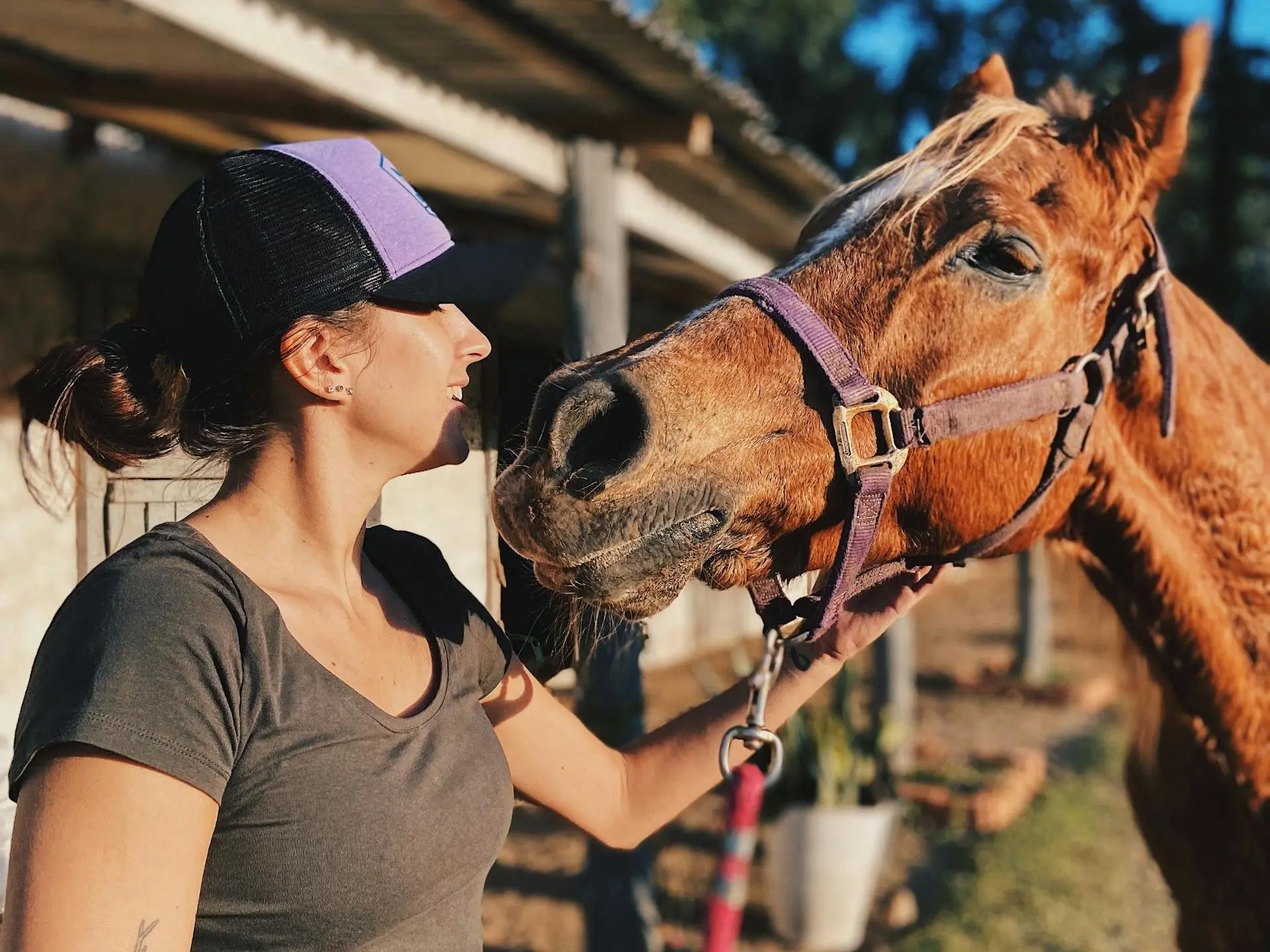
Yes, and it has been tested properly. Horses can tell familiar people from strangers by voice and by face, they can pick out a photograph of someone they haven’t seen for six months, and they remember the mood you were in the last time they saw you. Here is what the experiments actually did and what they found.
They Match Your Voice to Your Face
The neatest evidence comes from Leanne Proops and Karen McComb at the University of Sussex, who published it in Proceedings of the Royal Society B in 2012.
The setup was simple. A horse stood facing two people, one on either side of a loudspeaker. A recorded voice called the horse’s name from the speaker, and the researchers measured which person the horse looked at, how quickly and for how long.
In the first experiment, 32 horses were shown their owner and a stranger. When the owner’s voice played, the horses looked towards the owner faster and for longer. In the second, 39 horses were tested with two people they both knew well. Again the horses looked sooner, more often and for longer at whichever handler’s voice they had just heard.
That second result is the important one. The horses weren’t just sorting people into “familiar” and “not”. They knew which voice went with which person, which means they carry some kind of mental picture of individual humans made up of both sound and sight. The mares, as it happens, were better at it than the geldings.
The same team had already shown that horses do this with each other. The 2012 study showed the skill stretches to an entirely different species.
They Know Your Face From a Photograph
In 2020 a French team led by Léa Lansade, working at the national research institute INRAE with the French horse institute IFCE, went a step further and took the real person away altogether.
Eleven mares were first taught to use a touchscreen: two photographs of human faces appeared side by side, and the mare chose one by touching it with her nose. Once they understood the game, the researchers slipped in photographs of the mares’ own keepers alongside faces they had never seen. The mares were rewarded whichever picture they touched, so there was nothing to learn from the test itself.
They chose their keepers’ faces far more often than chance would predict. That held for the person who looked after them at the time, and also for a keeper they had not seen for six months.
A horse that has only ever seen you in three dimensions, in a barn, wearing a hat, can recognise your face flat on a screen half a year after you last met.
They Read Your Expression
Recognising who you are is one thing. Horses also pay attention to how you look.
In a 2016 study in Biology Letters, Amy Smith and colleagues at Sussex showed horses photographs of unfamiliar human faces with either happy or angry expressions. Faced with an angry face, the horses tended to look at it with their left eye, which is the pattern many animals show towards things they find threatening, and their heart rates rose more quickly. Nobody had trained them to do any of this.
A Japanese study in 2018 combined faces and voices. Horses watched a happy or angry human face on a screen and then heard a voice in a matching or clashing tone. When the face and the voice disagreed, the horses reacted faster and, if the voice was their own caretaker’s, stared for longer, the way anyone does when something doesn’t add up. The researchers concluded that horses put together what they see and what they hear to judge a person’s emotional state.
And They Remember It
This is the one that should make you think about the mood you take to the yard.
In 2018 Proops, McComb and colleagues showed horses a photograph of a person looking either angry or happy. Several hours later, the horse met that same person in the flesh, now wearing a completely neutral expression. The person did not know which photograph the horse had been shown.
The horses did. Those that had seen the angry photograph treated the real person as something to be wary of, and those that had seen the happy one responded more positively. When a different person turned up instead, there was no such effect. The results appeared in Current Biology under a title that says it plainly: animals remember previous facial expressions that specific humans have exhibited.
They Can Smell How You Feel, Too
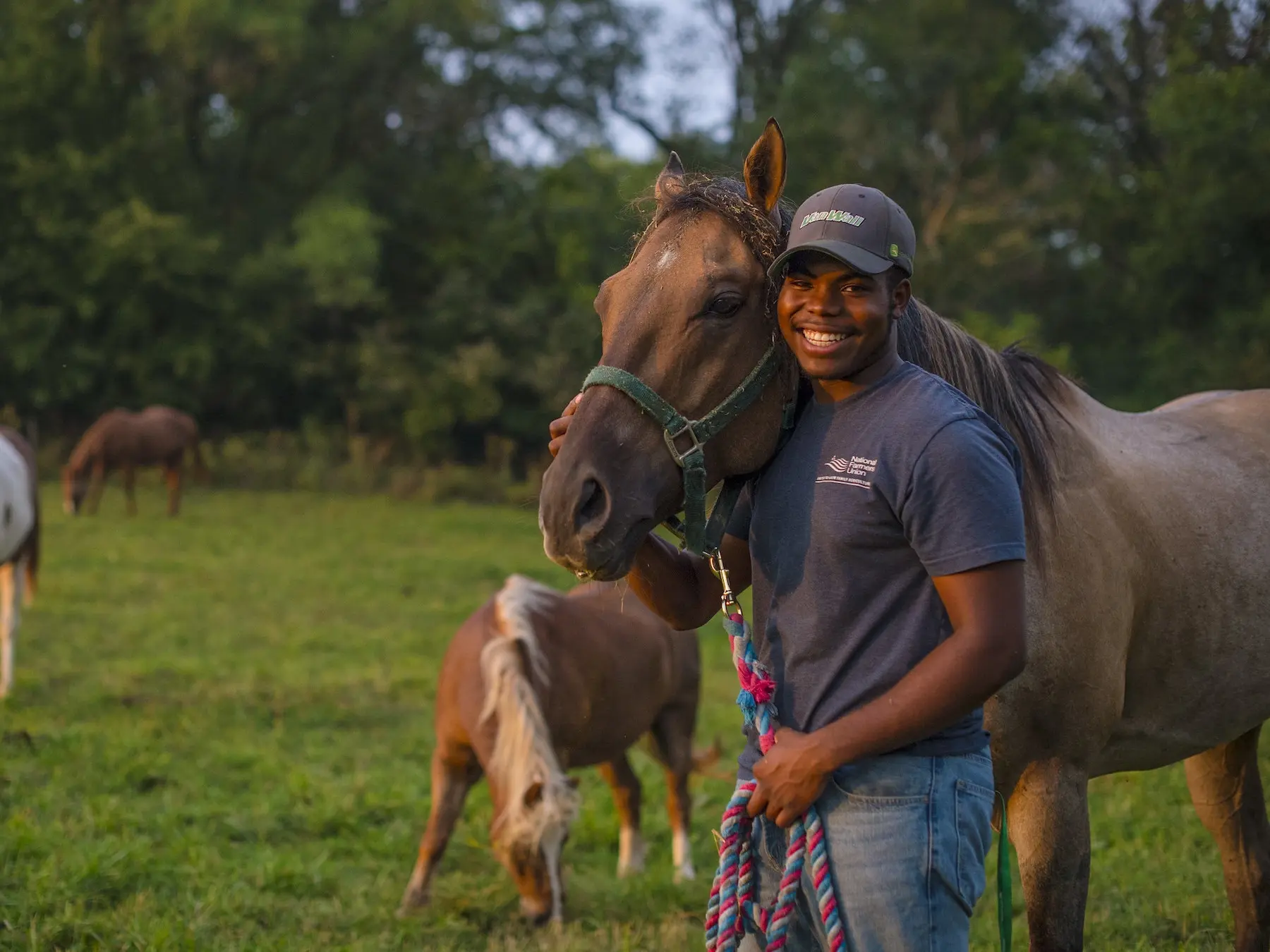
Sight and sound are not the end of it. Recent work from France suggests horses also respond to the scent of human emotion: horses exposed to sweat collected from frightened people were jumpier and more cautious than horses given neutral samples. We covered it in New Research Shows Horses Can Smell Our Emotions, Particularly Fear, which makes a natural companion to this article.
Put together, a horse has at least four ways of working out who you are and what state you are in: your face, your voice, your smell and the memory of last time.
What the Research Doesn’t Say
It is worth being careful here, because this subject attracts wishful thinking.
- Recognition is not the same as affection. These studies show that horses know who you are. They don’t show that your horse loves you. It may well be attached to you, but that is a different question and a harder one to test.
- “Owner” means nothing to a horse. What counts is familiarity. The person who feeds, grooms and handles a horse every day will be better known to it than the person whose name is on the passport.
- The studies are small. Eleven mares here, a few dozen horses there. The findings are consistent with each other and with what horse people have long believed, but they are not the last word.
- Memory cuts both ways. The 2018 study found its effect for angry faces as well as happy ones. A horse’s record of you includes the bad days.
What It Means When You Walk Into the Barn
A few practical things follow.
Your horse knows it’s you before you get there. Your voice arrives first. Speaking as you approach is good manners with any horse and especially with one that can’t see you yet.
Your face is information. If you turn up scowling about work, your horse has no way of knowing that the scowl is not about it. You don’t need to grin like a fool, but it helps to leave the bad day at the gate.
Consistency builds the picture. A horse’s idea of you is assembled from every encounter. Calm, predictable handling makes you someone worth recognising. Our tips for bonding with your horse are a sensible place to start.
Don’t underestimate them. An animal that can match a voice to a face and hold a grudge until teatime is paying closer attention than it lets on. For more evidence, see signs your horse is smarter than you.
So when your horse lifts its head and whickers as you come round the corner, you are not imagining it. It knows exactly who you are. It may also know that you are the one with the carrots, but the science supports the flattering explanation as well.