Page 53 of 194
Latest stories
Horseplay
The Man And His Horse
Today’s horse poetry is by Anne Kingsmill Finch and I’m not sure when it was published, but she lived from 1661-1720.
Horse Basics
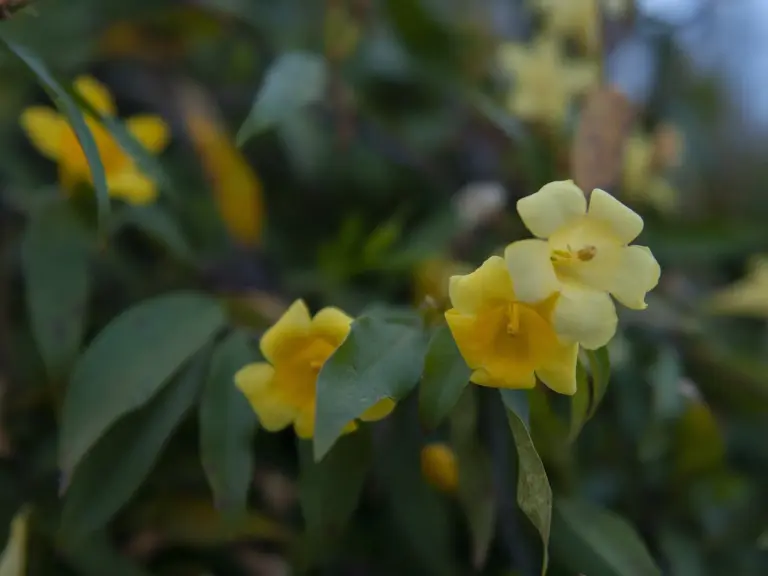
Evening Trumpet Flower – Toxic Plant of the Week
It’s Monday again and The Equinest’s big day to terrorize horse owners with more plants your horse can’t eat. Today’s plant is a truly lovely and fragrant one, sadly your horse should not be allowed to enjoy the heady scent of the Evening Trumpet Flower…it’s deadly.
Horse Basics
Flaxen Modifier – Horse Coat Colors
A few weeks ago I started giving my colors section a big facelift – it was time for updated info and images. There is some new stuff and the rest is simply better than it was before. Modifiers There are a variety of modifying genes which affect base colors as well as each other, they […]
Horse Art
The Horse And The Ass
Today’s horse poetry is another fable by Jean de La Fontaine and it was published in The Fables of La Fontaine in the late 1600’s.
Horse Basics
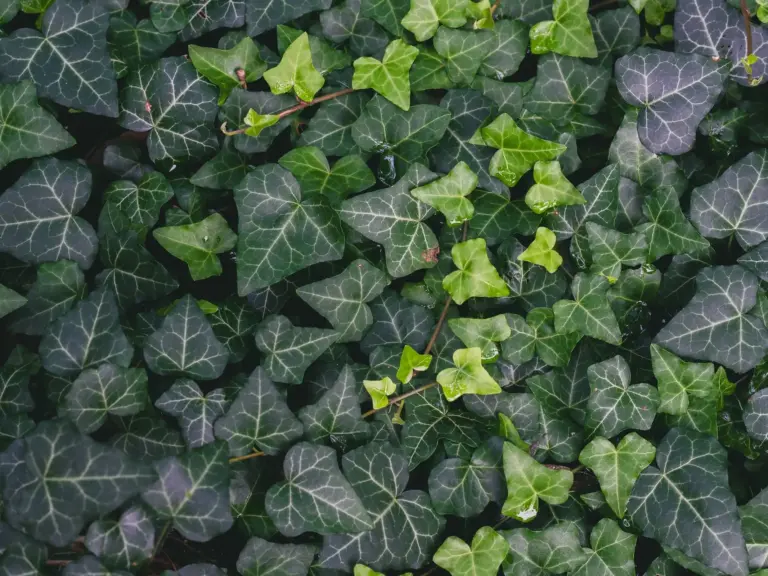
English Ivy – Toxic Plant of the Week
Hi again, it’s Monday and The Equinest’s day to terrorize everyone with more plants your horse can’t eat. Today’s plant can be found almost everywhere and English Ivy is also a highly invasive species.
Videos with Horses
Emma Massingale Synchronicity Horses
Today’s video is a different one and one that really shows just how gentle and intelligent horses can be. Emma Massingale is clearly a horse whisperer as she commands a whole arena full! Simply Gentle It is interesting to watch someone command the attention of multiple horses at once. She uses the horses herd mentality […]
Horse Basics
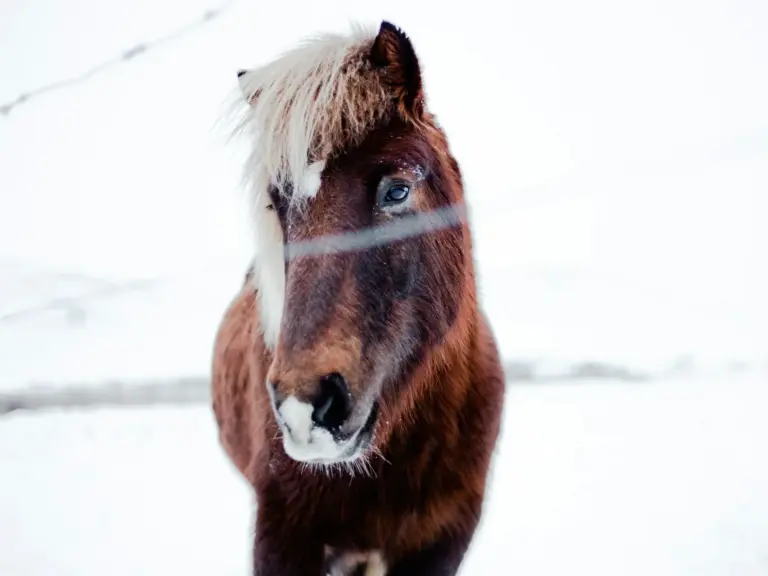
Smutty or Sooty Modifier – Horse Coat Colors
A few weeks back I began giving my colors section a bit of an update – it was time for new images. There is some new info and the rest is just better than it was before. Modifiers There is a variety of different modifying genes which affect base colors as well as each other, […]
Horseplay
The Fox, The Wolf, And The Horse
Today’s horse poetry is by Jean de La Fontaine and it was published in The Fables of La Fontaine in the late 1600’s.
Horse Basics
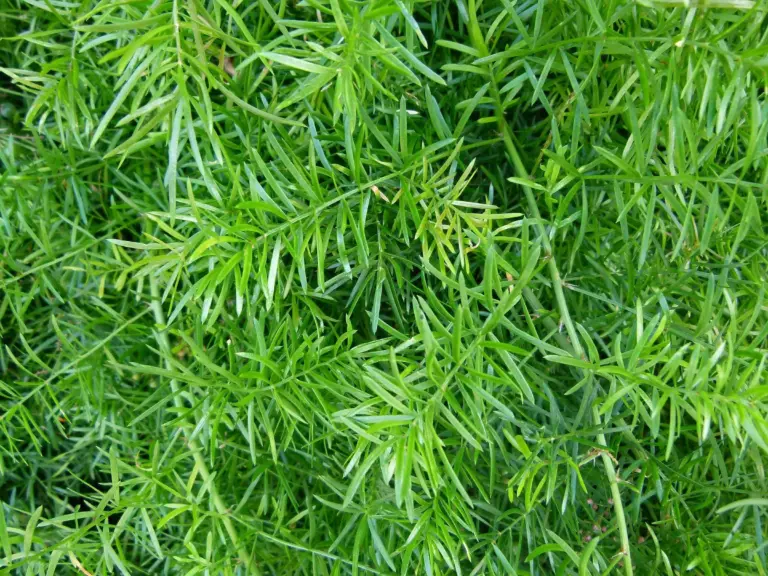
Emerald Feather Fern – Toxic Plant of the Week
Another new week and a great time to learn about yet another plant your horse can’t eat. Today’s plant doesn’t grow everywhere, but is often found in decorative planting. The delicate Emerald Feather Fern is really too lovely to eat anyway.
Videos with Horses
Isabel Centennial Wagon Train
The town of Isabel in South Dakota celebrated their centennial in August of 2011 and held a grand event to celebrate. Pioneer Days Part of the festivities included a three day wagon train that started about 30 miles outside of town. This was to commemorate the days of the pioneers and the hardships they lived […]
Horse Basics
Pangare or Mealy Modifier – Horse Coat Colors
A few weeks ago I decided to give my colors section an update – it was time for an upgrade. There is some new info and the rest is quite simply better than it was. Modifiers There is an array of modifying genes which can affect base colors as well as each other, they can […]
Horseplay
The Fly-Away Horse
Today’s horse poetry is by Eugene Field and it was published in Poems of Childhood in 1904.