Intro
The Baixadeiro is a small horse inhabiting the heavy marshlands of Brazil and is presently the recipient of a conservation program. It is a race that is near extinction.
Read more
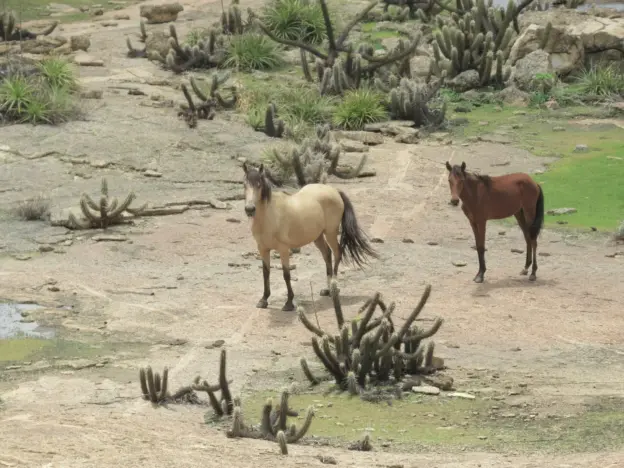
The Baixadeiro is a small horse inhabiting the heavy marshlands of Brazil and is presently the recipient of a conservation program. It is a race that is near extinction.
Read more
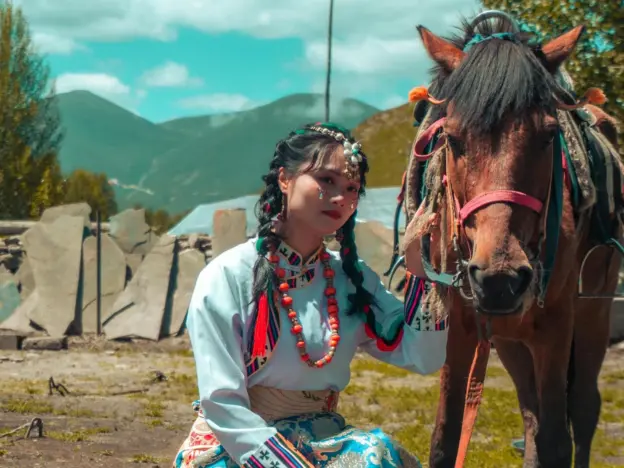
The Baise or Bose (also called Guangxi) is a small horse breed raised in pasture at high altitude and allowed to roam freely in herds when not working.
Read more
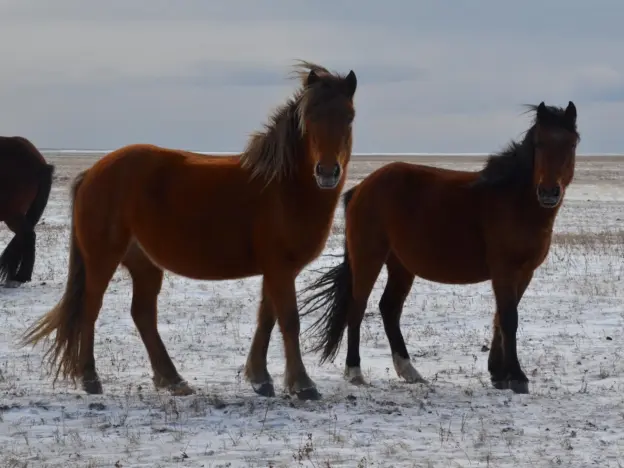
The Baikal is a small horse from the region of Lake Baikal that borders with Mongolia. The Baikal is not a breed in itself, more of a type, used for all needs of the region. They have been a part of the area for as long as people can remember.
Read more
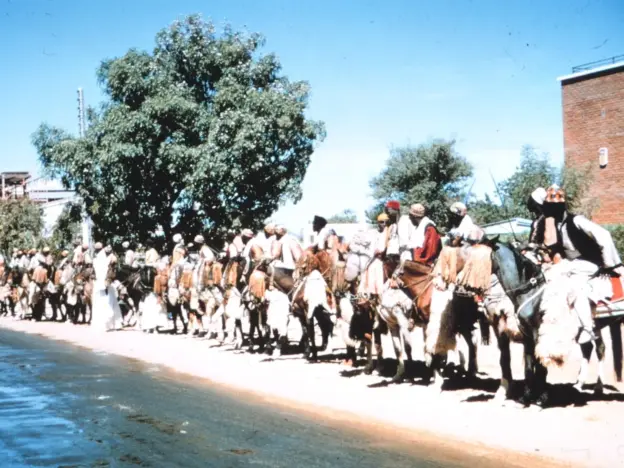
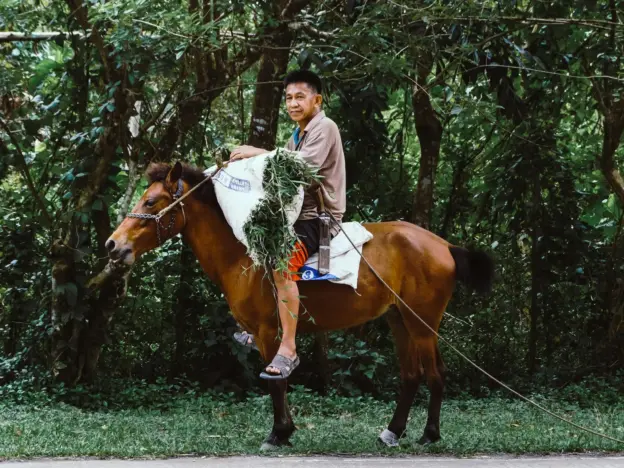
The ancestors of the Baguio or Philippine Pony came with Chinese, Brazilian and South American marketeers and dealers who came into the Philippines to trade, then left their animals behind.
Read more
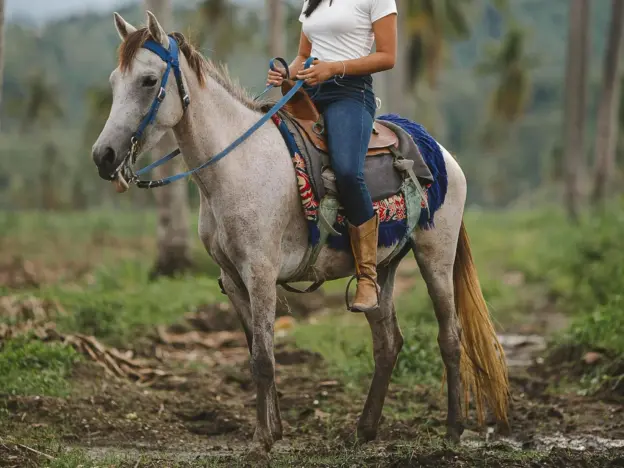
Similar to the Baguio Pony, the light horse of the same name derives from horse stock brought into the Philippines by Chinese, Brazilian and South American dealers or traders, who then abandoned their animals.
Read more
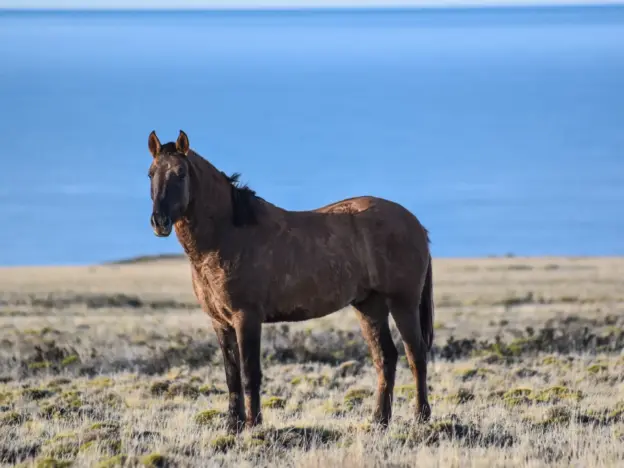
The Bagual or Baguales is a feral horse found in the Pampas region of Argentina. This is a tough, robust horse that is able to withstand highly variable climatic conditions.
Read more
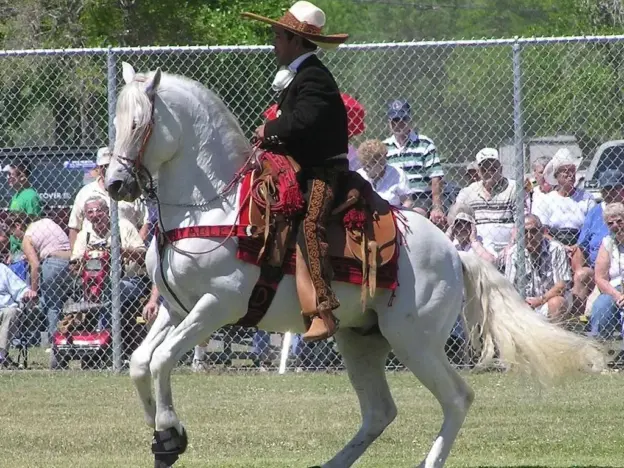
The Azteca is the first breed to be developed in Mexico and descendant of horses from both Spain and Portugal. However it is obvious that the mighty Andalusian and/or Lusitano are distinct foundations for the Azteca breed.
Read more
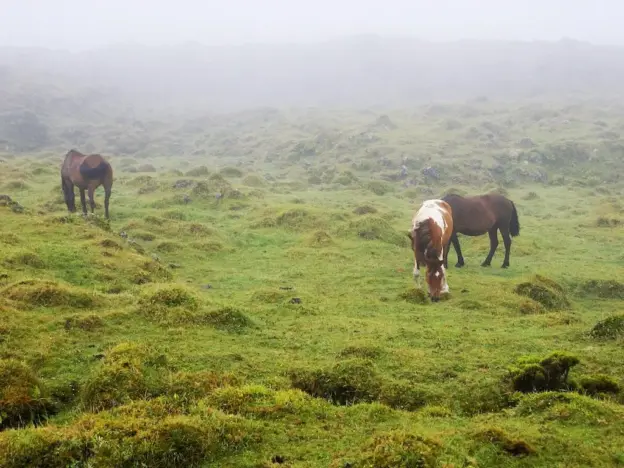
The Terceira Pony or Azores is an ancient breed native to Portugal with very little formal documentation, there is not much known about the Azores breed. These animals are different from most of the Iberian ponies, as their confrmation is more of a small horse than a pony.
Read more
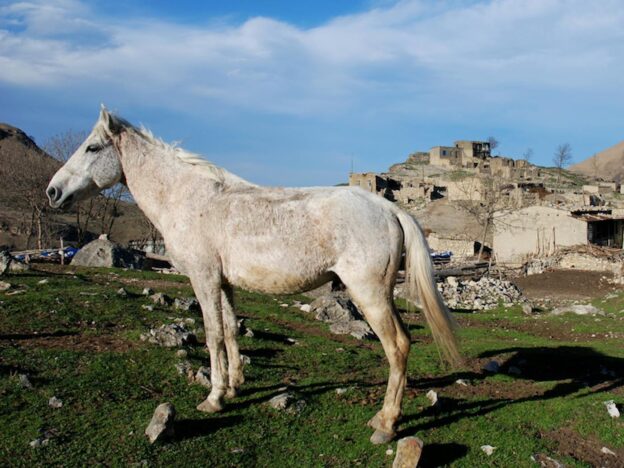
Also called Guba, the Azerbaijan is a saddle horse that comes from regions of Azerbaijan, as well as parts of Georgia and Armenia. This breed has long been native to the area and are well adapted to herd life.
Read more