431 articles · page 9 of 36
Horse Basics
Horse Basics
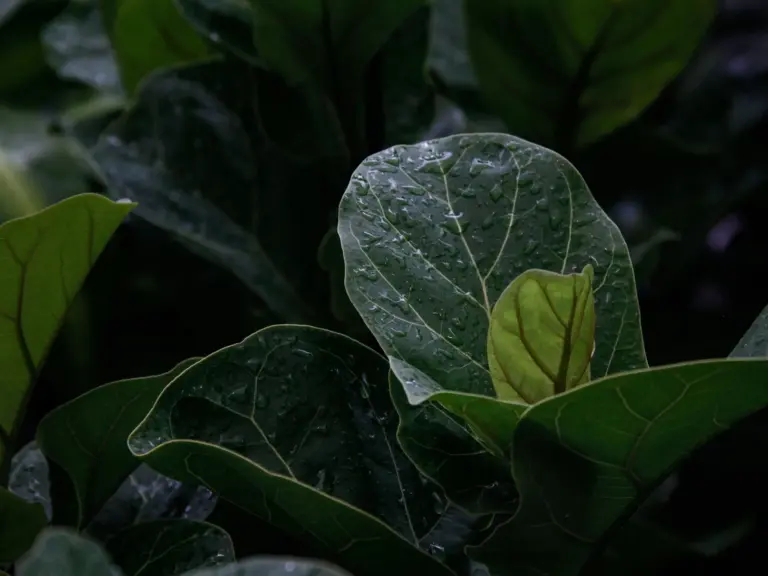
Fiddleleaf Fig – Toxic Plant of the Week
It’s Monday morning and time another in my a-z of plants your horse can’t eat series. Today’s plant is one you don’t often think about being toxic, but sadly the Fiddleleaf Fig is a one of the bad guys.
Horse Basics
Champagne Dilution – Horse Coat Colors
I’m working my way through the colors section to give it some new information and updated images. Equine color genetics is no easy business, but it sure is a pretty one! Dilutions There are an array of dilution genes which affect the two base colors as well as those affected by modifiers and white patterns. […]
Horse Basics
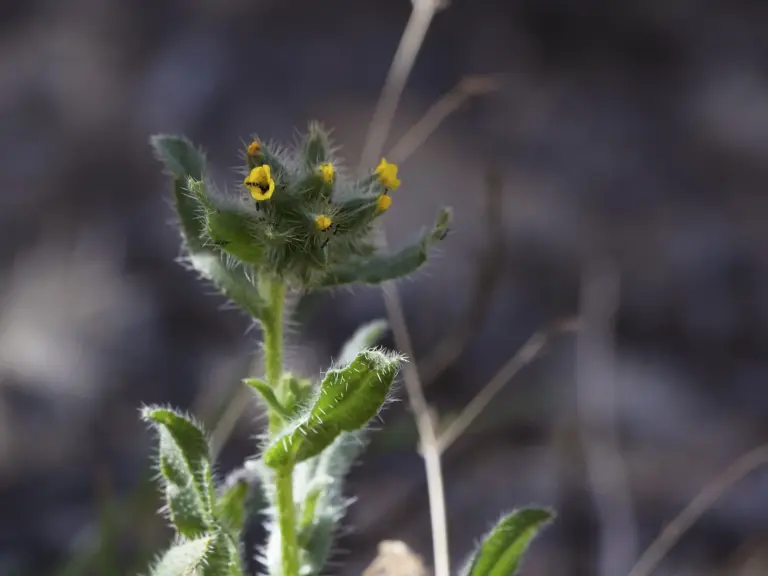
Fiddleneck – Toxic Plant of the Week
It’s Monday morning and time again for my horrifying series, the a-z of plants your horse can’t eat. Today’s plant is one that is quite commonly found and while beautiful the Fiddleneck is a highly toxic killer.
Horse Basics
Dun Dilution – Horse Coat Colors
I’m slowly working my way through the colors section to give it a bit of an update. It was time for some new information and images – so I hope everyone likes it. Dilutions There is a wide variety of dilution genes which affect the two base colors as well as those affected by modifiers […]
Horse Basics
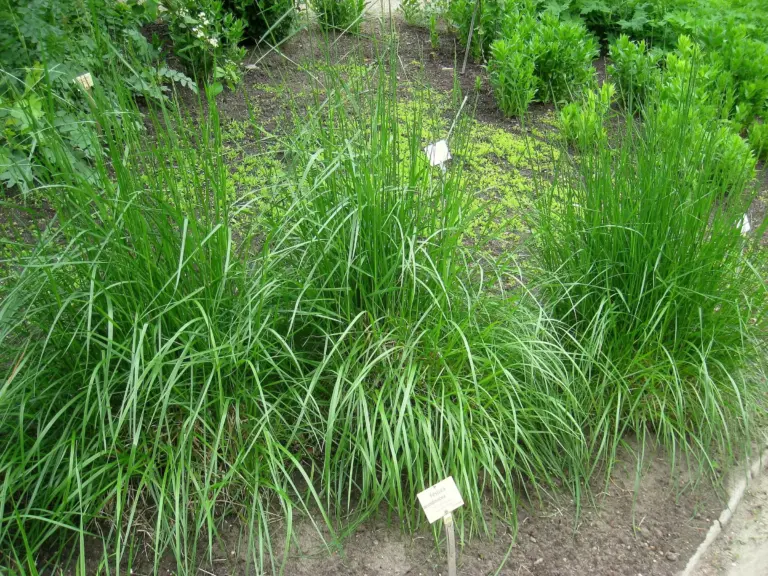
Fescue – (Super) Toxic Plant of the Week
Working our way through the F’s in the a-z of plants your horse can’t eat. Today’s plant is one that shouldn’t be a problem for horses, but can be Fescue can be a silent killer.
Horse Basics
Silver Dilution – Horse Coat Colors
A while back I started giving my colors section a facelift. It was time for updated information and I’m excited to share it with my readers. Dilutions There are a variety of dilution genes which can affect the two base colors as well as those affected by modifiers and white patterns. Today I want to […]
Horse Basics
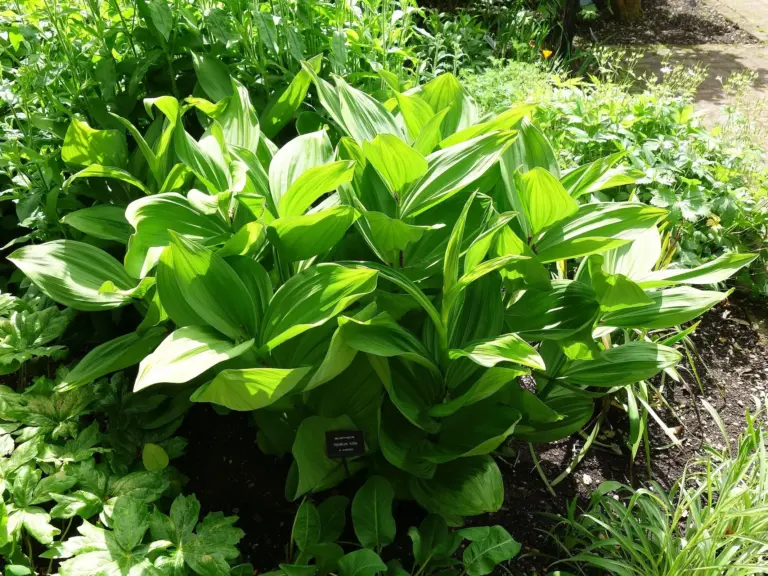
False Hellebore – Toxic Plant of the Week
We’ve made it through the E’s and now time to tackle the F’s in the a-z of plants your horse can’t eat. Today’s plant is slightly less common than most, but False Hellebore is still a dangerous beauty.
Horse Basics
Cream Dilution – Horse Coat Colors
A little over a month ago I started giving my colors section a facelift – it was high time for updated info and images. There is some new stuff there and the rest is just better than it was before. Dilutions There are a wide variety of dilution genes which can affect the two base […]
Horse Basics
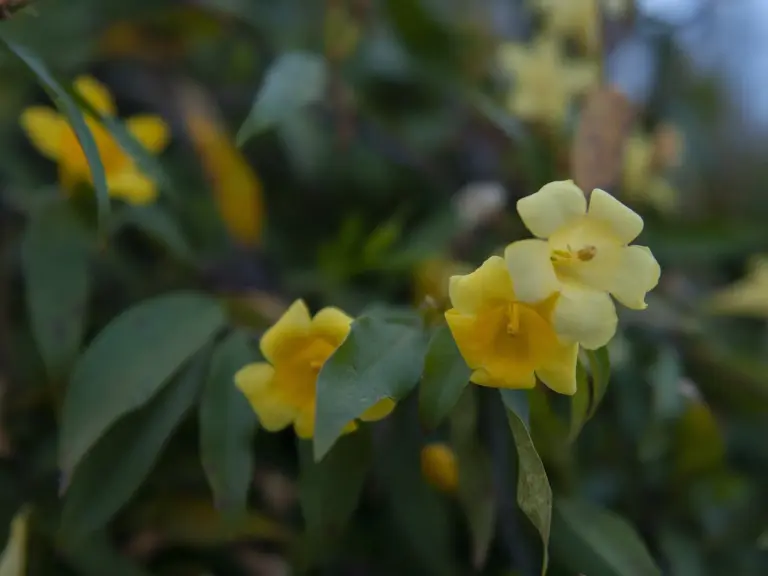
Evening Trumpet Flower – Toxic Plant of the Week
It’s Monday again and The Equinest’s big day to terrorize horse owners with more plants your horse can’t eat. Today’s plant is a truly lovely and fragrant one, sadly your horse should not be allowed to enjoy the heady scent of the Evening Trumpet Flower…it’s deadly.
Horse Basics
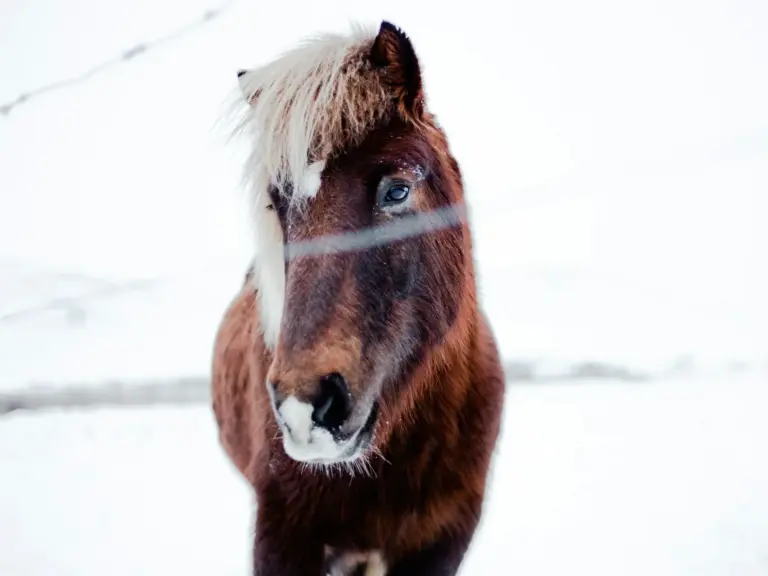
Flaxen Modifier – Horse Coat Colors
A few weeks ago I started giving my colors section a big facelift – it was time for updated info and images. There is some new stuff and the rest is simply better than it was before. Modifiers There are a variety of modifying genes which affect base colors as well as each other, they […]
Horse Basics
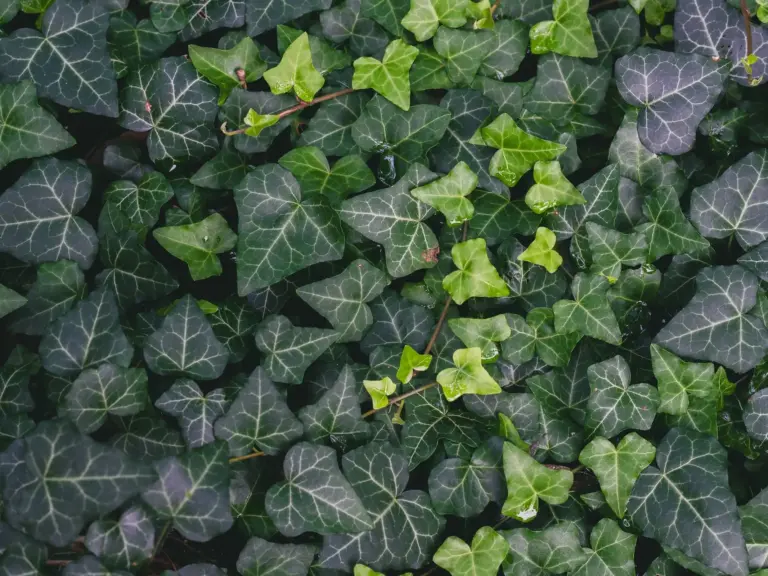
English Ivy – Toxic Plant of the Week
Hi again, it’s Monday and The Equinest’s day to terrorize everyone with more plants your horse can’t eat. Today’s plant can be found almost everywhere and English Ivy is also a highly invasive species.
Horse Basics
Smutty or Sooty Modifier – Horse Coat Colors
A few weeks back I began giving my colors section a bit of an update – it was time for new images. There is some new info and the rest is just better than it was before. Modifiers There is a variety of different modifying genes which affect base colors as well as each other, […]