431 articles · page 8 of 36
Horse Basics
Horse Basics
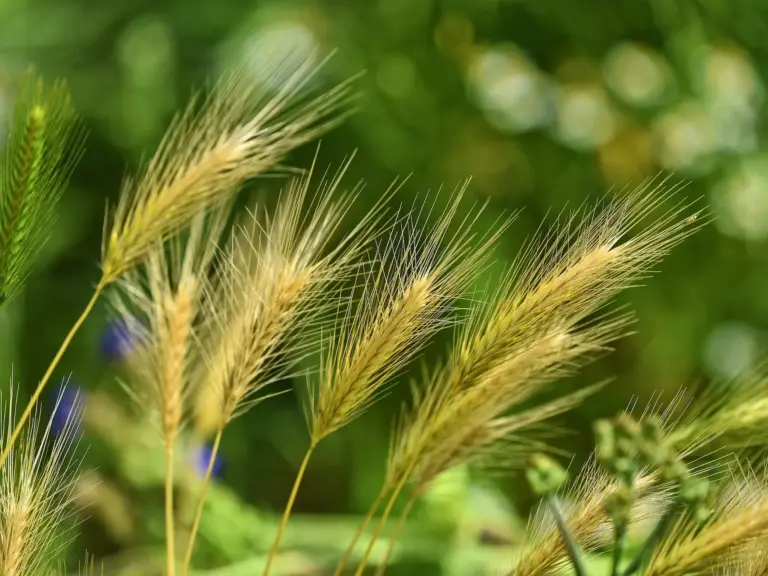
Foxtail – Toxic Plant of the Week
It’s another week and well into plant season, here is today’s plant your horse can’t eat. Today’s plant grows all over and looks very unassuming, but while Foxtails are a common sight, they are incredibly dangerous little buggers!
Horse Basics
Appaloosa White Pattern – Horse Coat Colors
Over the last few months I’ve been working my way through the colors section, providing some new information and bigger images. I’ve almost made my way through the white patterns – next comes markings! White Patterns There are a handful of white patterns that can affect the base colors as well as those affected by […]
Horse Basics
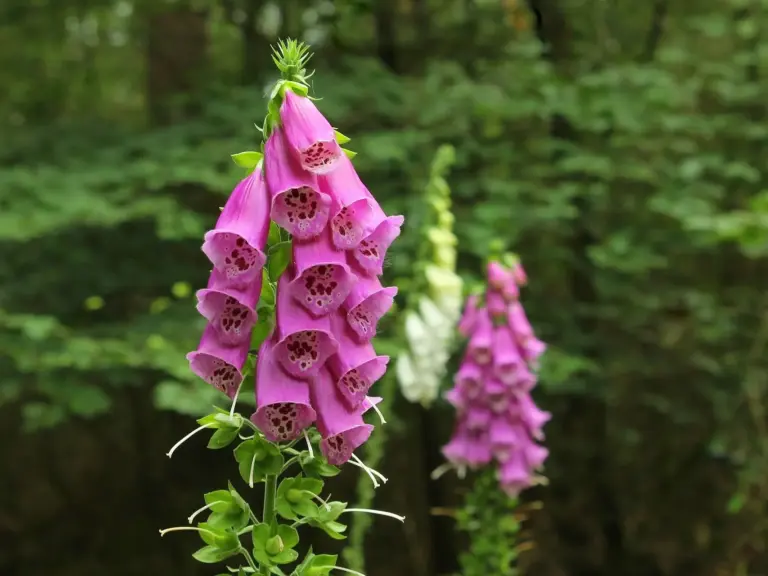
Foxglove – Toxic Plant of the Week
Welcome to another toxic plant Monday – time to learn about another nasty plant. Today’s plant is a lovely one with the most enchanting name, the Foxglove is lovely, but not for horses.
Horse Basics
Pinto White Pattern – Horse Coat Colors
Over the spring and summer I’ve been working my way through the colors section, providing some new information and updated images. I’ve gotten through the solid colors and am now sharing the lovely white patterns. White Patterns There are a handful of white patterns that can affect the base colors as well as those affected […]
Horse Basics
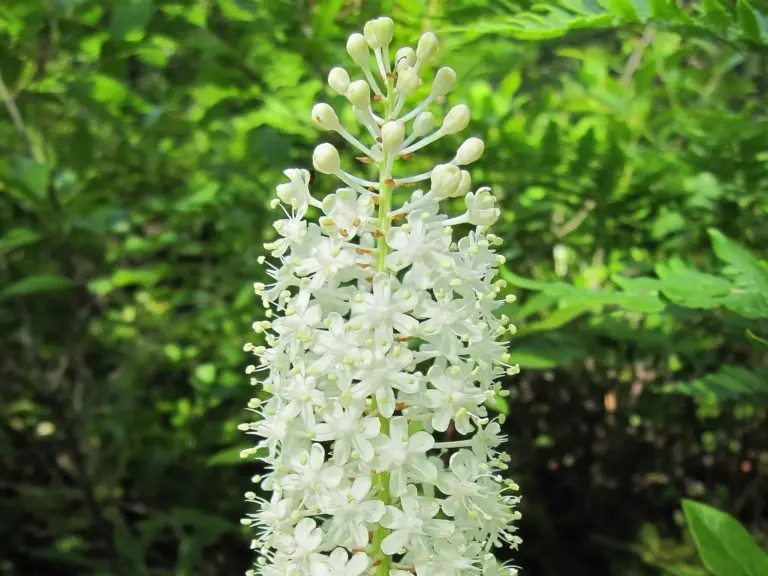
Fly Poison – Toxic Plant of the Week
Image from Chris M under the CC BY 2.0 license Happy Monday and time to learn about yet another plant that hates your horse. Today’s plant’s name says it all, Fly Poison just sounds bad for you.
Horse Basics
Roan White Pattern – Horse Coat Colors
Lately I’ve been working my way through the colors section, providing new information and updated images. So far I’ve gotten through the solid colors and now it’s time for the white patterns. White Patterns There are a handful of white patterns that can affect the base colors as well as those affected by modifiers and […]
Horse Basics
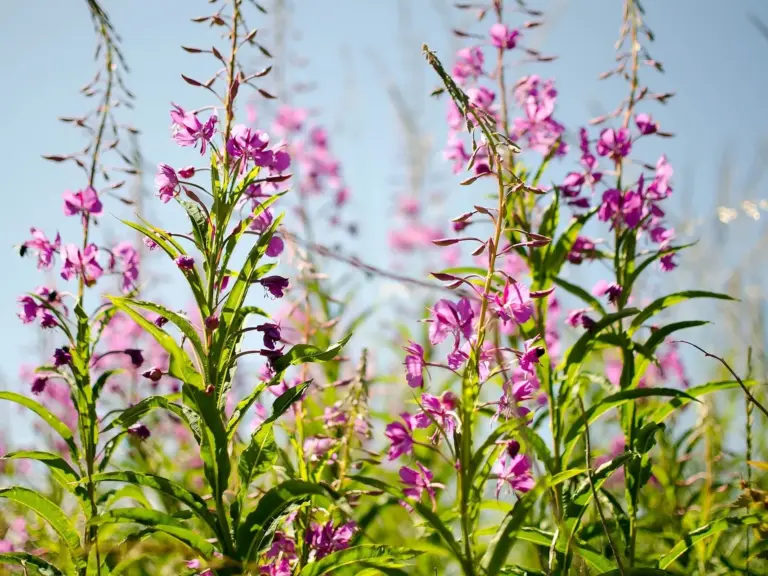
Fireweed – Toxic Plant of the Week
Happy Monday, are you ready to learn about another plant your horse can’t eat? Luckily fireweed is not toxic to horses. Learn More Be sure to check out the Fireweed page to learn more about the plant and while you are at it why not check out more toxic plants? A | B | C […]
Horse Basics
Light Black Dilution – Horse Coat Colors
I’m making my way through the colors section and giving it new information and updated images. Today I’ve finally gotten through the solid colors and next week we’ll move on to the white patterns. Dilutions There are a bunch of dilution genes which affect the two base colors as well as those affected by modifiers […]
Horse Basics
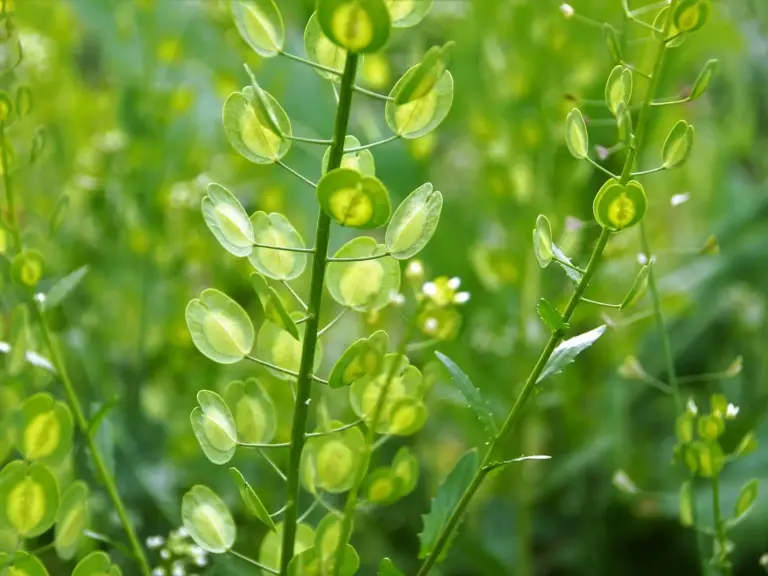
Field Pennycress – Toxic Plant of the Week
It’s Monday and time to study another member in the a-z of plants your horse can’t eat. Today’s plant is rather nondescript and incredibly unassuming – but make no mistake Field Pennycress is bad news for horses.
Horse Basics
Mushroom Dilution – Horse Coat Colors
I’m making my way through the colors section and giving it new information and updated images. In fact, today’s dilution is another one that wasn’t discovered until recently when color genetics testing was made possible. Dilutions There are a bunch of dilution genes which affect the two base colors as well as those affected by […]
Horse Basics
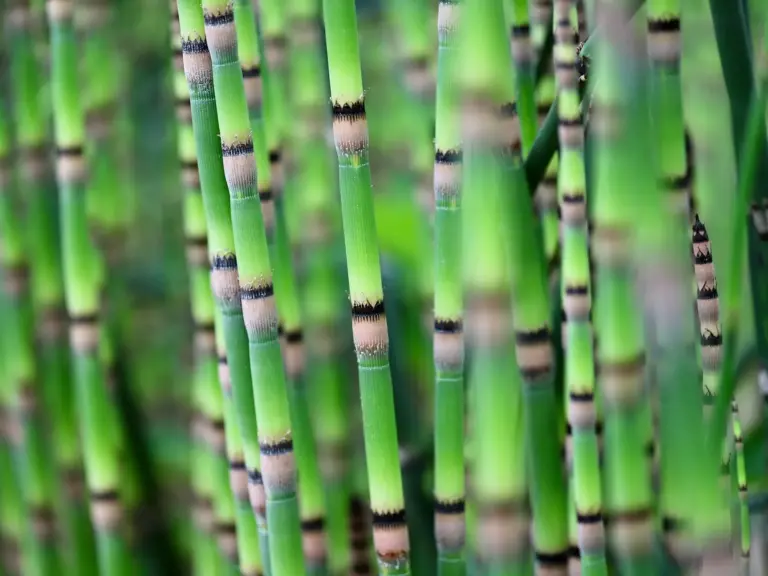
Field Horsetail – Toxic Plant of the Week
It’s Monday and time to learn about another in the a-z of plants your horse can’t eat series. Today’s plant has a strange prehistoric look to it, the Field Horsetail may sound horse-friendly – but it’s not.
Horse Basics
Pearl Dilution – Horse Coat Colors
I’m working my way through the colors section to give it some new information and updated images. In fact, today’s dilution wasn’t discovered until equine color genetics testing was made possible. Dilutions There are an array of dilution genes which affect the two base colors as well as those affected by modifiers and white patterns. […]