Yes, Some Horses Grow Mustaches (Video)
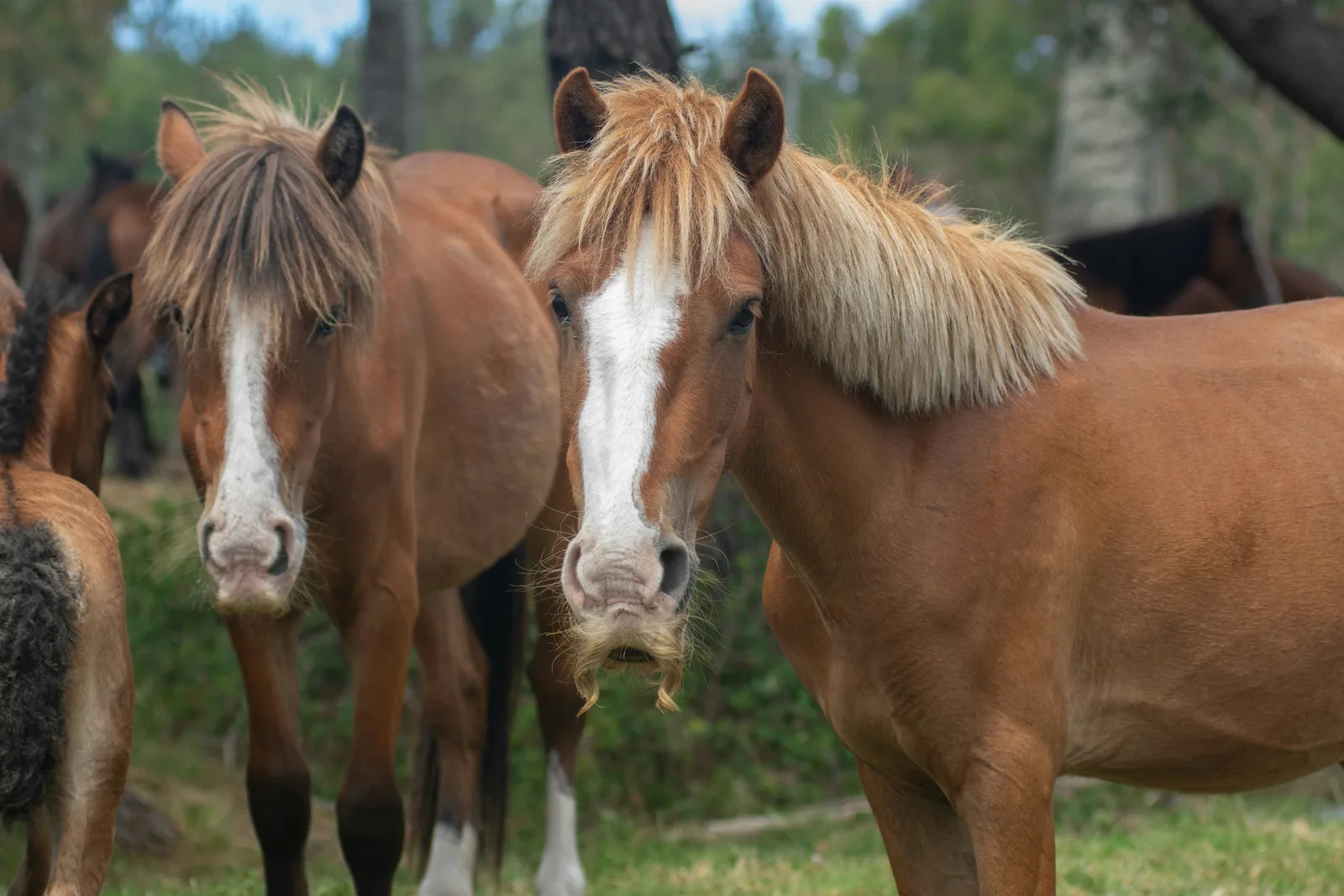
Some horses grow mustaches. Not whiskers, which every horse has, but a proper tuft of hair on the upper lip. One of the best places to find one is on a small, tough pony from the hills of northwest Spain. Our new short introduces it in 30 seconds.
Meet the Galician pony
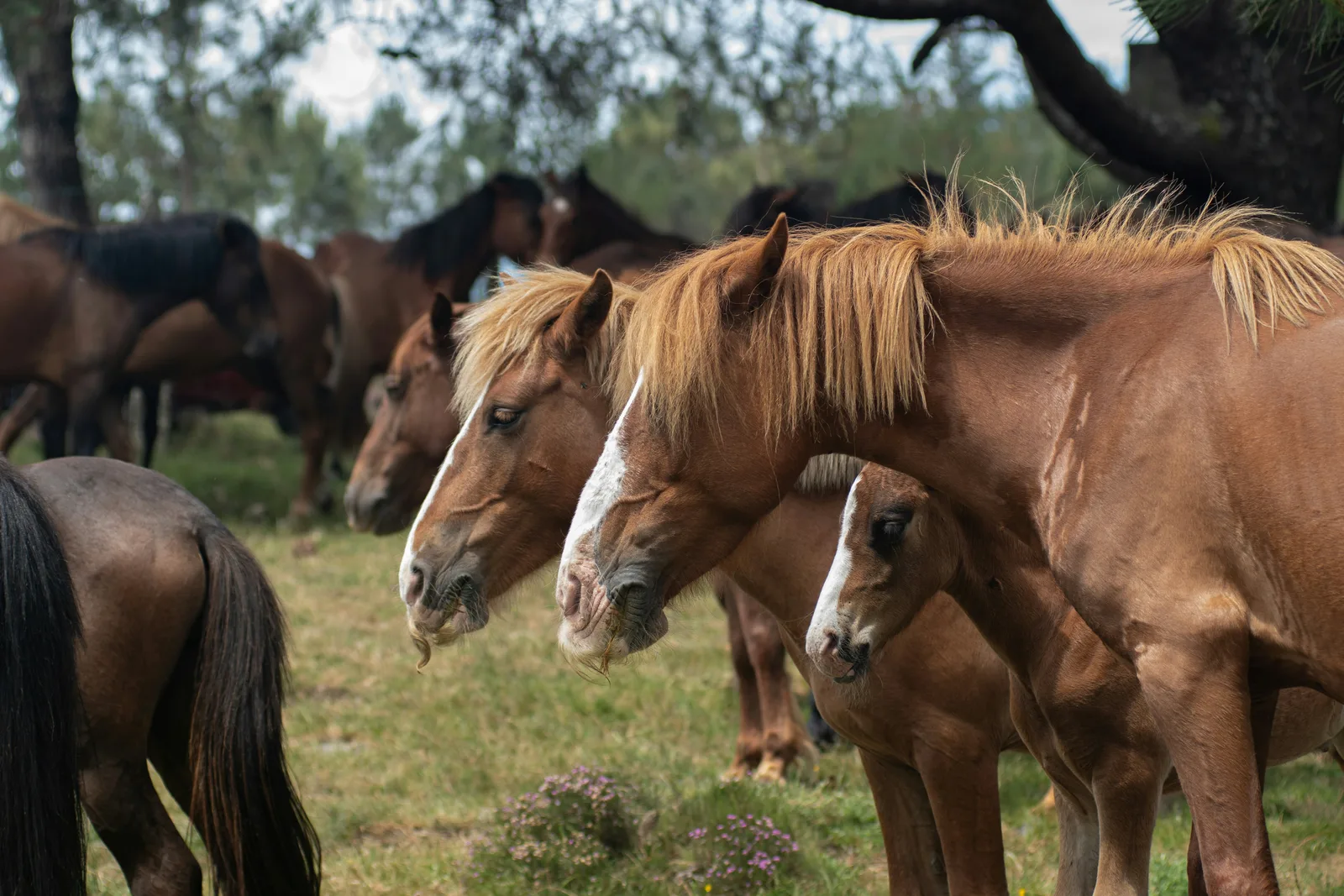
The Galician pony, the cabalo de pura raza galega, comes from Galicia, the green, wet corner of Spain above Portugal. It is small, under 14 hands, with a thick mane and tail and a heavy forelock. The stud book asks for bay or black, though the hill herds come in other colors too, chestnut with a blond mane among them. Many live half wild in herds on the open hills, as their ancestors have for centuries.
The breed’s official description in Spain lists thick lips “with a mustache” among its features, next to the full forelock. Some ponies add a beard under the jaw. It is one of very few breeds where facial hair is written into the description.
A mustache is not whiskers
Every horse has whiskers. They are stiff feeler hairs around the muzzle and eyes, each one wired to nerves, and a horse uses them to sense what is right under its nose, where it cannot see.
A mustache is different. It is ordinary long hair, growing in a tuft or a full handlebar across the top lip, and only some horses get one. Within the Galician breed it varies too: some ponies have a fine one, others none at all.
Why do they have it?
Nobody knows for certain. In Galicia the usual explanation is gorse, the spiny shrub that covers the hills and makes up much of what the ponies eat. The idea is that a pad of hair on the lip keeps the spines off. It makes sense, and it is a good story, but it has not been proven.
What is clear is that the mustache runs in families and turns up in other hairy breeds as well, such as the Gypsy Vanner, the Shire and the Clydesdale. Our guide to hairy horse breeds has more on mustaches, feathers and manes.
A rare look on a rare horse
The Galician pony is officially an endangered breed in Spain. By the 1990s crossing with other horses had left very few pure ponies, and the regional government started a recovery program and a stud book. Numbers have climbed since then, but they are still counted in the low thousands.
Its nearest relatives are the other old ponies of the Atlantic coast, among them the Garrano across the border in Portugal and the Asturcón in neighboring Asturias. Each summer Galician villages still gather the hill herds for the rapa das bestas, when manes and tails are trimmed before the horses go back to the mountain.
More short videos are on our YouTube channel.