Keeping Your Equine Companion Healthy Year-Round
 Caring for a horse is a year round commitment and each season presents its own set of challenges.
Care Whatever the Weather
From extreme heat and biting insects in summer to icy temperatures and limited forage in winter, horses rely on thoughtful, seasonal management to stay healthy and comfortable. Understanding how your horse’s needs change throughout the year can help prevent illness, reduce stress and promote long-term wellbeing.
Summer Survival Tips
Summer can be especially demanding for horses, as high temperatures and humidity increase the risk of dehydration, heat exhaustion or insect-related irritation. Always ensure your horse has constant access to clean, fresh water, as hydration is critical for temperature regulation and overall health. Electrolyte supplements may be beneficial during periods of heavy sweating, particularly for working horses.
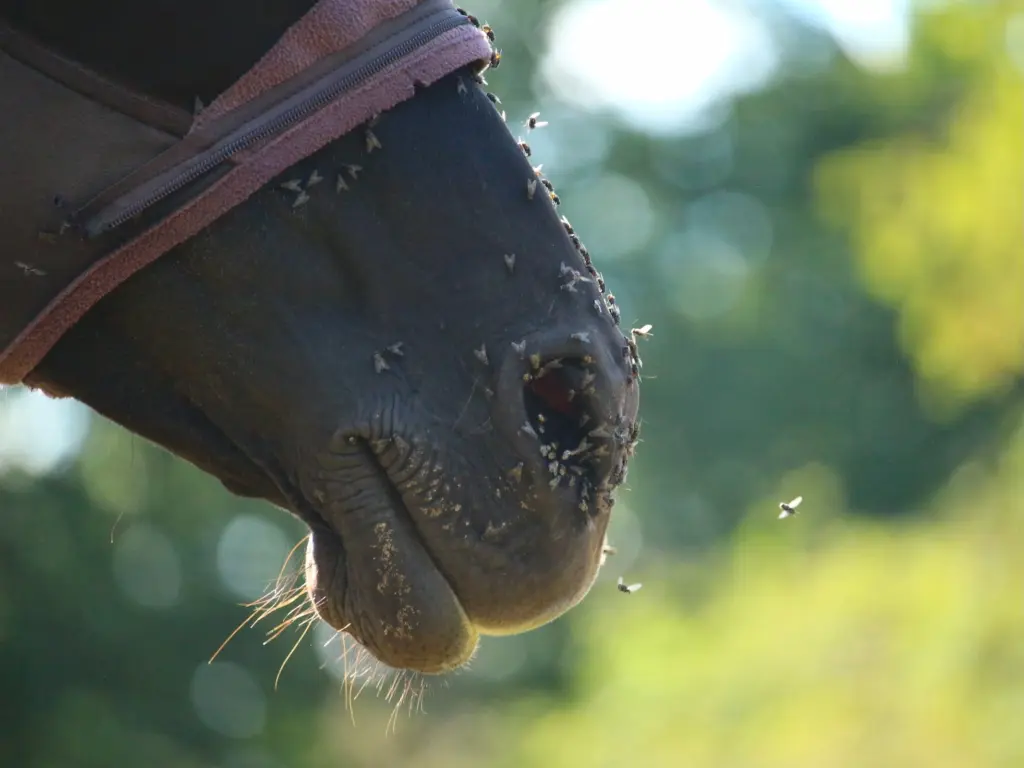
Shade is another essential component of summer care. Natural tree cover or constructed shelters help protect horses from direct sunlight and reduce the risk of heat stress. Insect control is equally important—use fly masks, fly sheets and veterinarian-approved fly sprays to protect against biting flies that can cause discomfort and transmit disease.
Exercise schedules should also be adjusted during hot months. Riding or training sessions are best done in the early morning or late evening when temperatures are cooler. Keep a close eye on your horse for signs of heat stress, such as excessive sweating, rapid breathing, lethargy, or elevated heart rate and act quickly if symptoms appear.
Winter Wellness Strategies
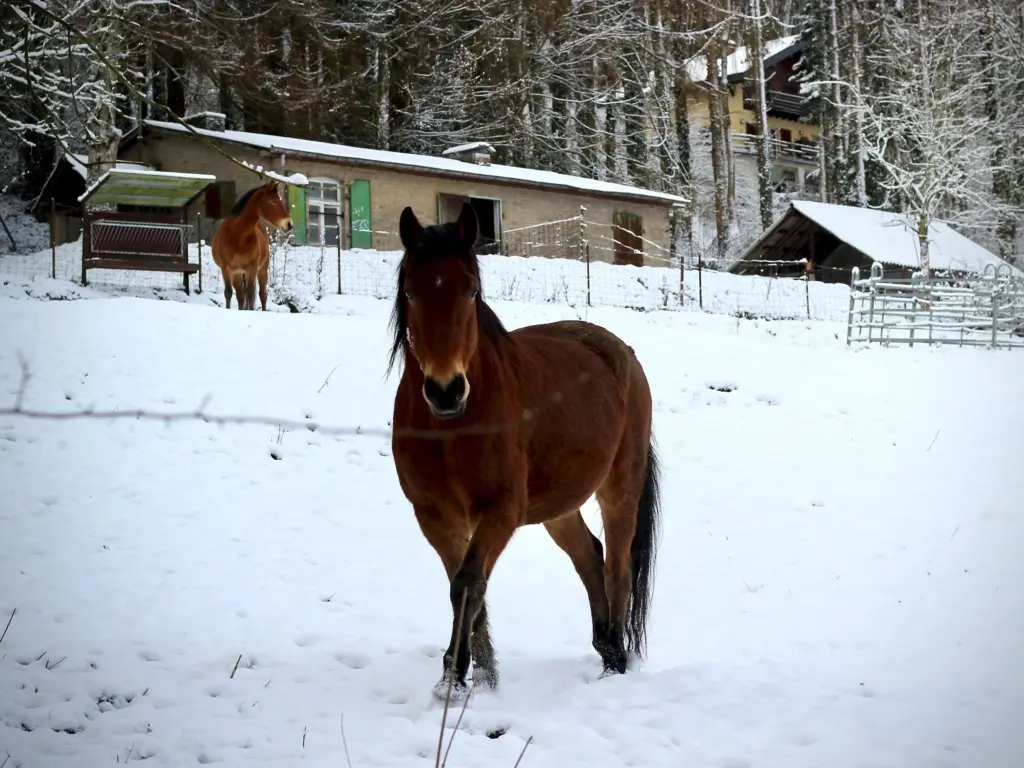
Cold weather brings a different set of priorities. Horses burn more calories in winter to maintain body heat, so increasing hay intake is often necessary. High-quality forage helps support digestion and provides the internal warmth horses need during freezing conditions.
Blanketing may be required for clipped horses, seniors, or those with limited shelter, but blankets should fit properly and be checked daily. Access to unfrozen water is vital as horses drink less when water is icy, which can increase the risk of colic. Heated water buckets or tank heaters can be invaluable during winter months.
Hoof care should not be neglected simply because riding may decrease. Regular trimming helps prevent cracks, thrush and uneven wear. Shelters or barns give horses a place to escape harsh weather, reducing stress and conserving energy.
Spring and Fall Transition Care
The transitional seasons of spring and fall are often overlooked but are critical times for preventive care. Fluctuating temperatures can affect feeding needs, so adjust grain and forage gradually to match energy demands. Spring grass, in particular, should be introduced slowly to avoid digestive upset or laminitis.
Seasonal allergies may flare up during these months, so monitor your horse for coughing, nasal discharge or skin irritation. Hooves should be checked frequently for early signs of abscesses or thrush, especially in wet conditions. These seasons are also ideal for deworming programs and easing horses back into regular exercise after periods of downtime.
Pro Tip
Regular veterinary check-ups are especially important during seasonal changes. A proactive approach helps catch small issues before they become serious problems, ensuring your equine companion stays healthy and happy all year long.