Wintercress
A | B | C | D | E | F | G | H | I | J | K | L | M | N | O | P | Q | R | S | T | U | V | W | X | Y | Z
Names
Barbarea, Yellowrocket, Scurvy Grass
Description
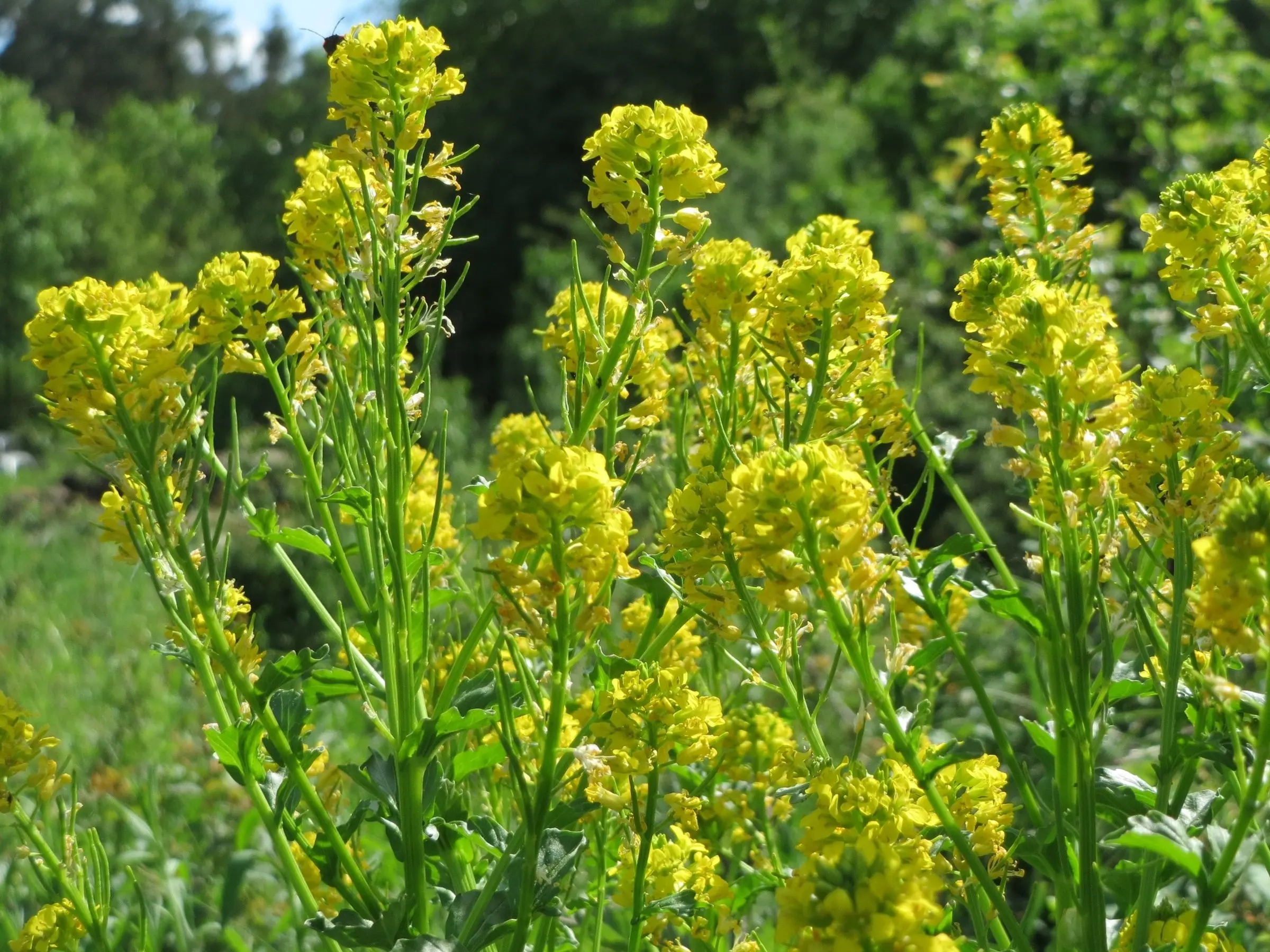
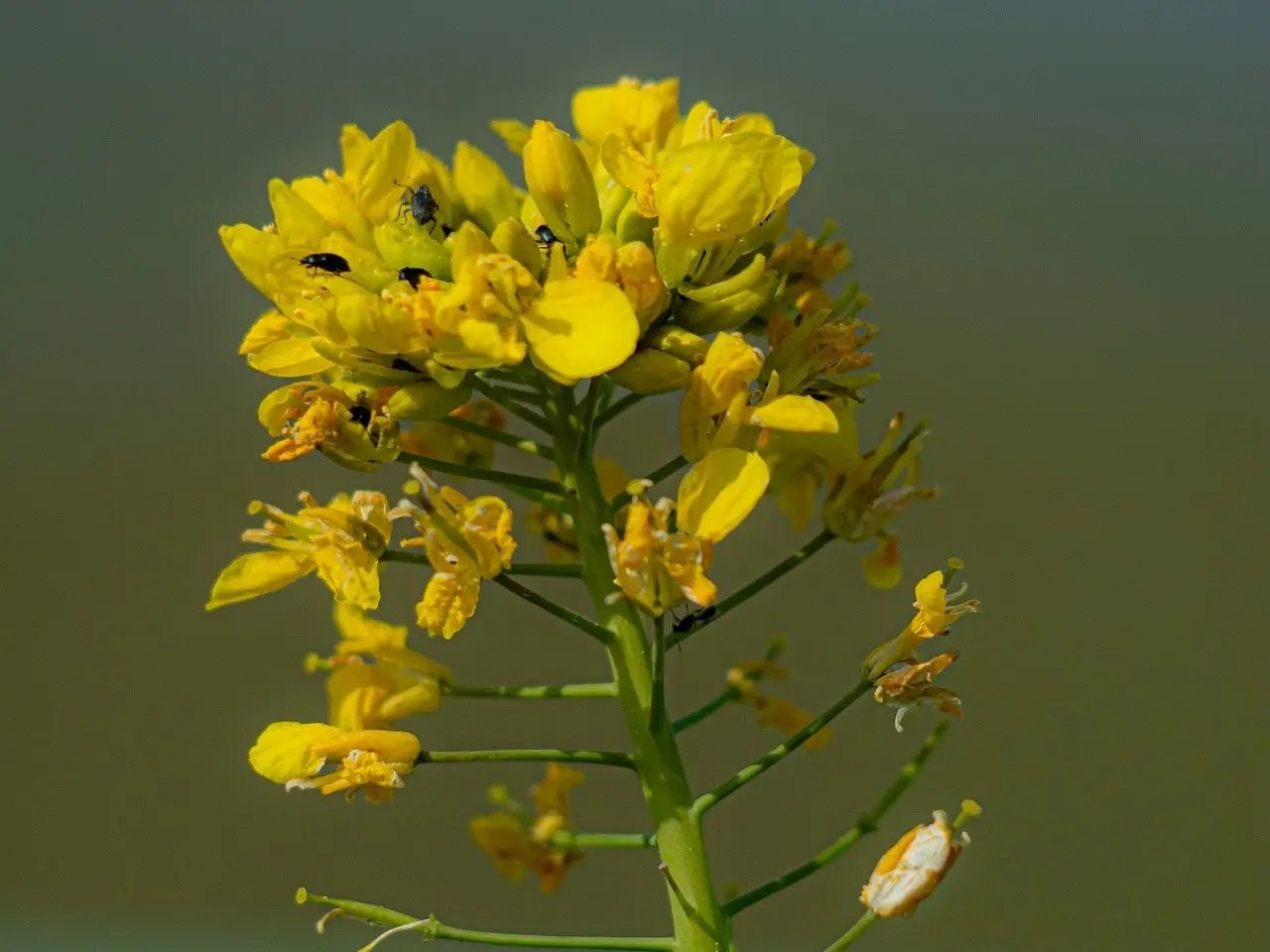
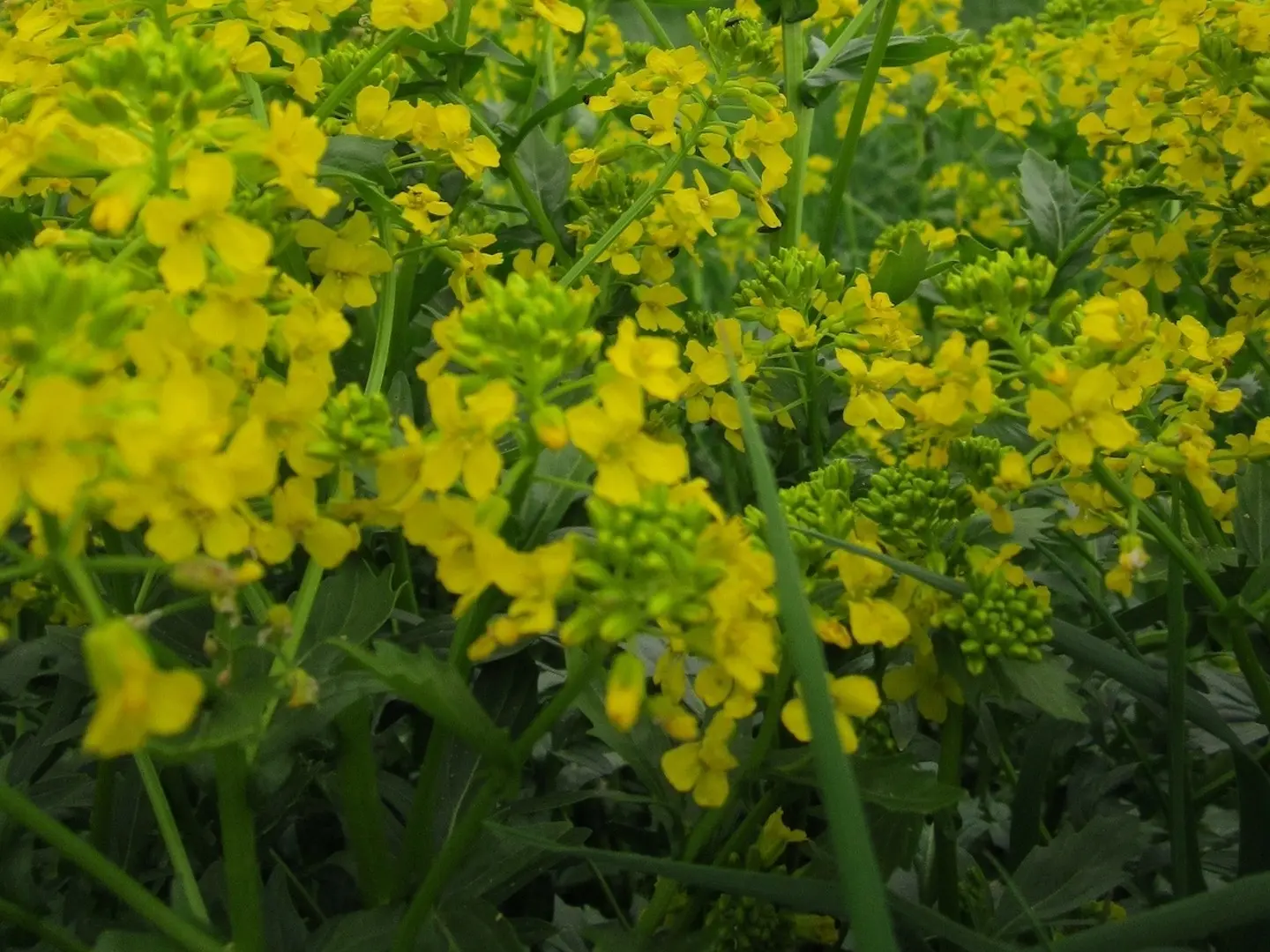
A biennial with a taproot. Leaves are long-petiolate. Flowers are yellow, have four petals and grow in clusters.
Concern Level
Only during drought conditions, unpalatable, but can be incorporated into hay.
Toxic Parts
The whole plant is toxic.
Symptoms
Gastrointestinal upset, diarrhea, colic.
Danger
Contains Isothiocyanates which irritate digestive tract.
More Information
*It should be noted that we are not veterinarians. This information is written specifically for horses and should be used for reference purposes only. If you think your horse has eaten something toxic call your vet right away.
A | B | C | D | E | F | G | H | I | J | K | L | M | N | O | P | Q | R | S | T | U | V | W | X | Y | Z
2 comments
Comments are closed. This is an archive of the conversation.
Kim Ellerman
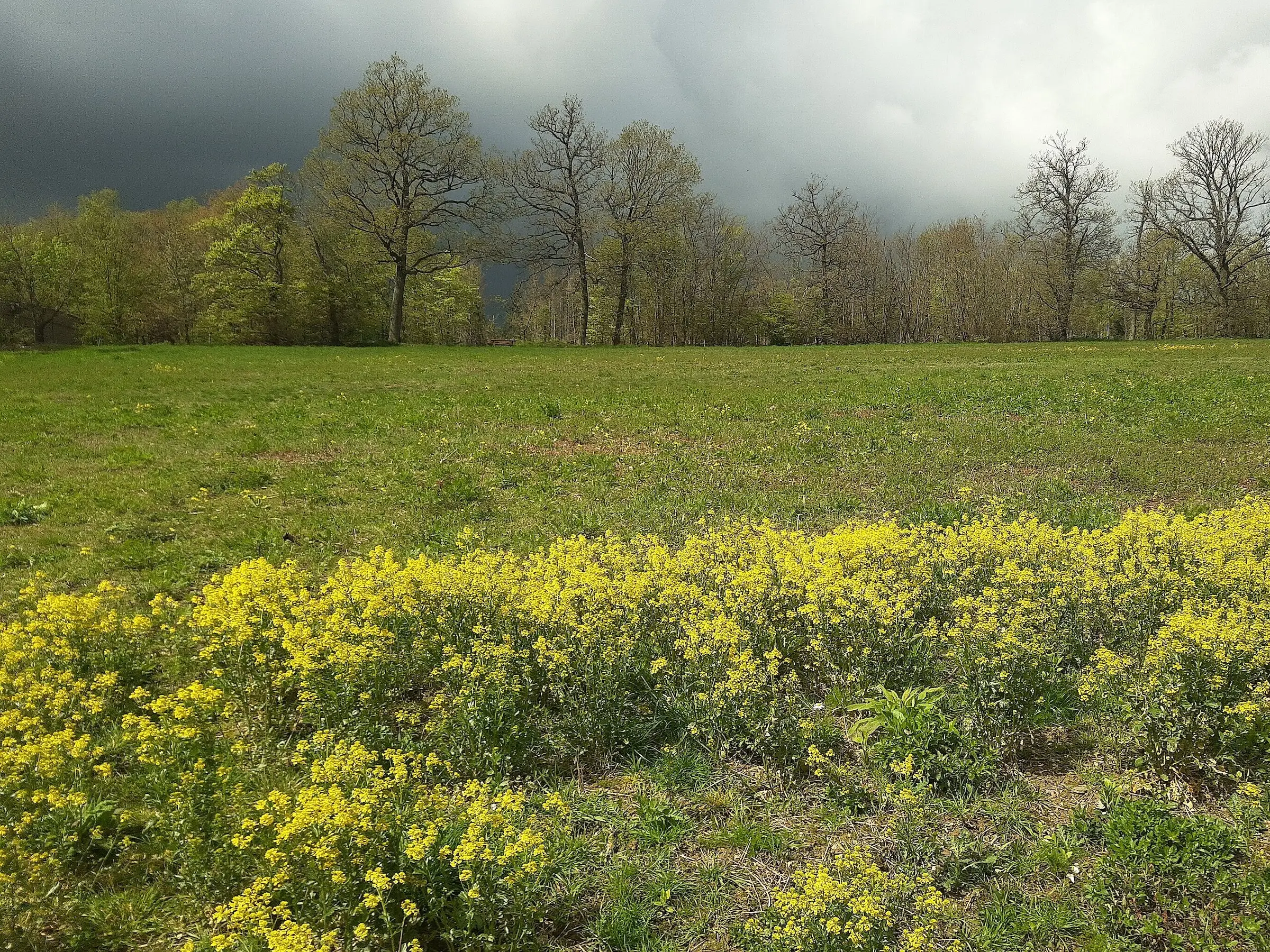
I have a new hay field..This winter cress stuff came up with my hay and it is covering about 40% of the field…can I bale this stuff? Will it hurt my horses? Really need some help on this one! Thanks Kim
Paige
The whole wintercress plant is toxic to horses and they should be kept away from the plant if possible. Poisonings often occur from early cuttings incorporated into hay. Do not bale this plant for grazer consumption.
The green plant is unpalatable to grazers and most will pass up wintercress in favor of other forage.
Provide your horses plenty of good food (and water) and try to limit their access to any plant with toxicity as much as possible.